Your Brand is a Gallery.
You’re running it like a billboard
House special
/
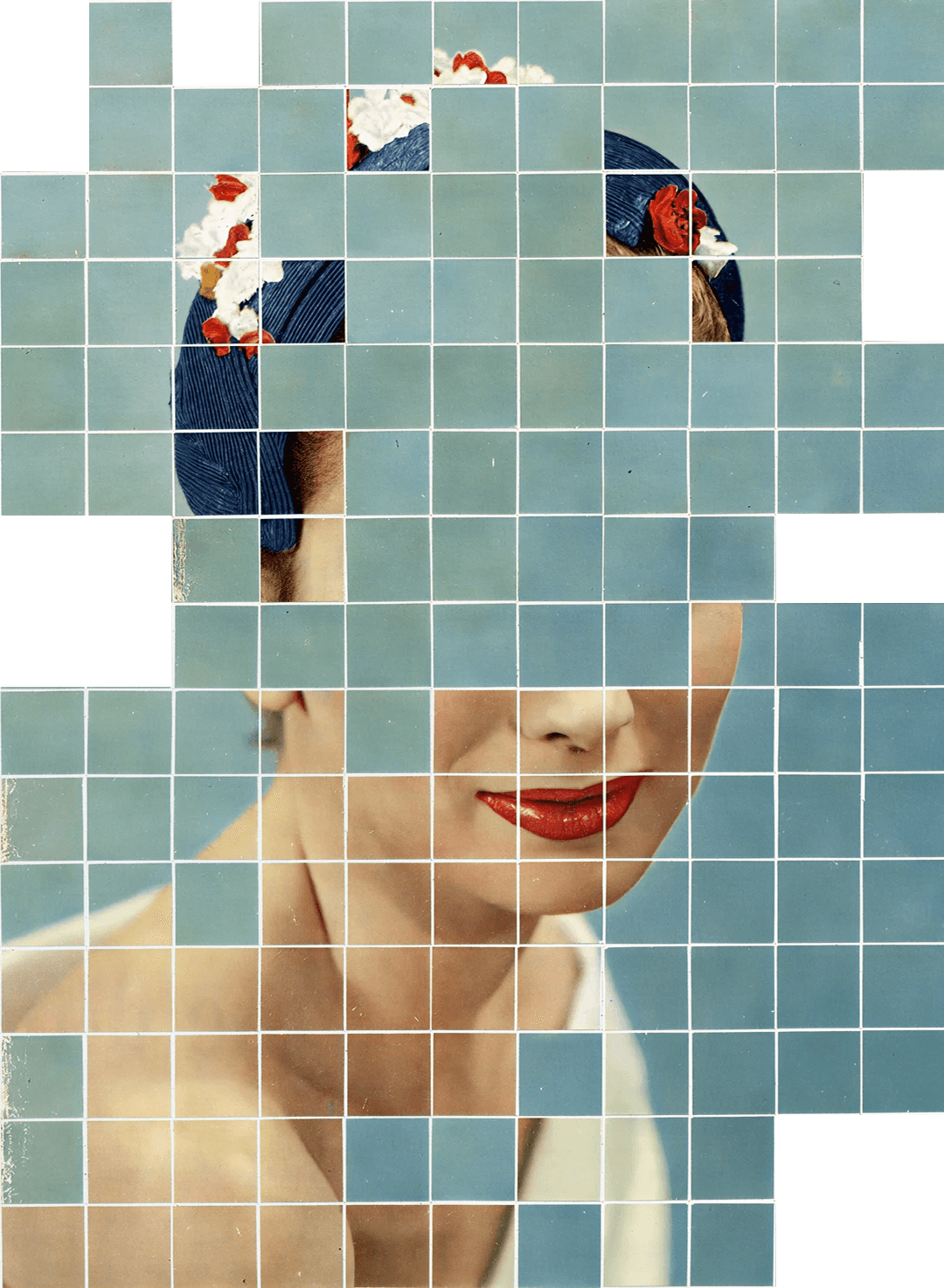
They built an audience. They lost identity.
Strip your name from every post on your profile.
Could anyone tell it's yours? Most likely not.
Your feed is a stack of posts that perform well in isolation yet amount to nothing. Each built to capture attention. None built to deserve it.
There's a difference between a feed that's optimized and a feed that's curated.
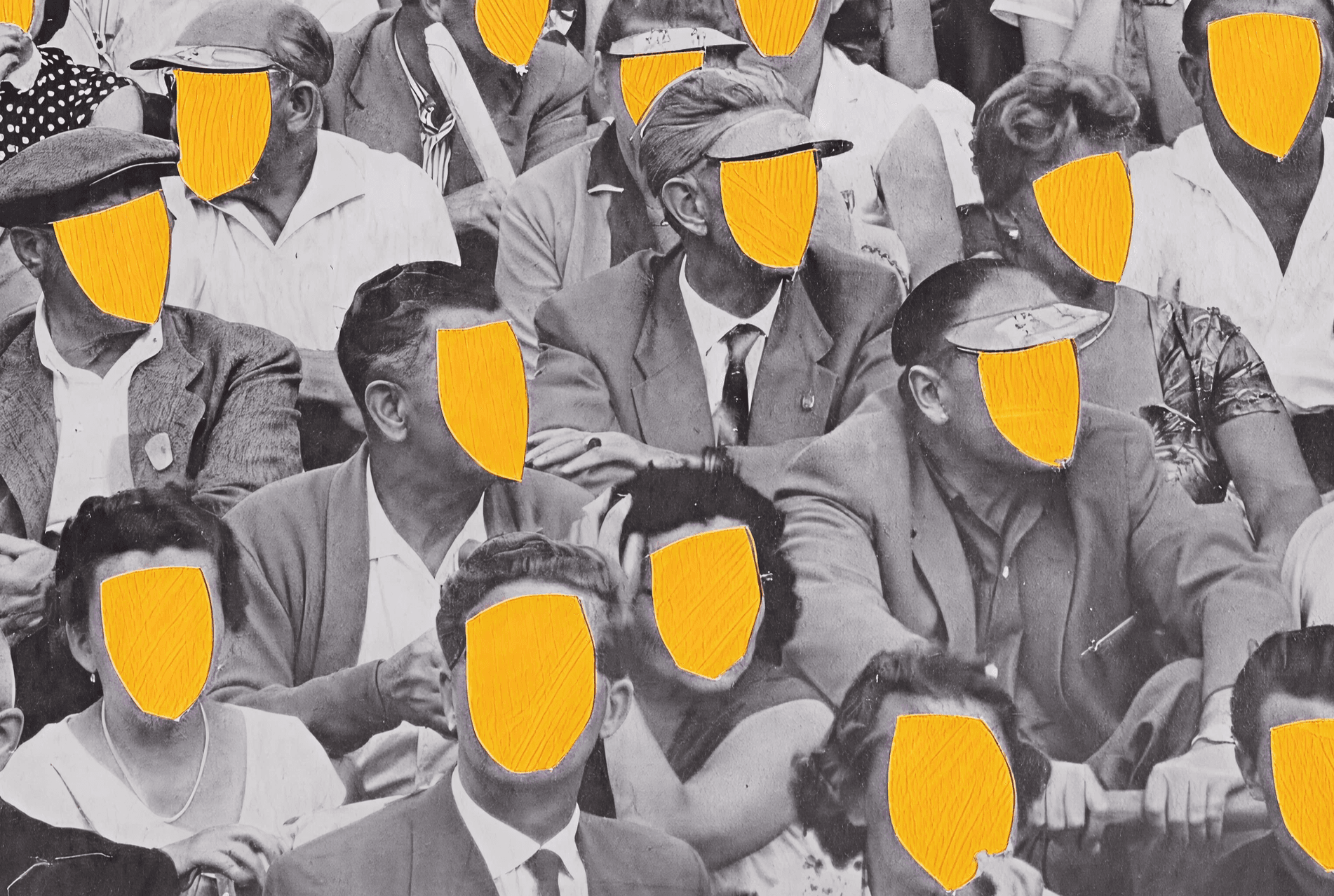
They built an audience. They lost identity.
Strip your name from every post on your profile.
Could anyone tell it's yours? Most likely not.
Your feed is a stack of posts that perform well in isolation yet amount to nothing. Each built to capture attention. None built to deserve it.
There's a difference between a feed that's optimized and a feed that's curated.
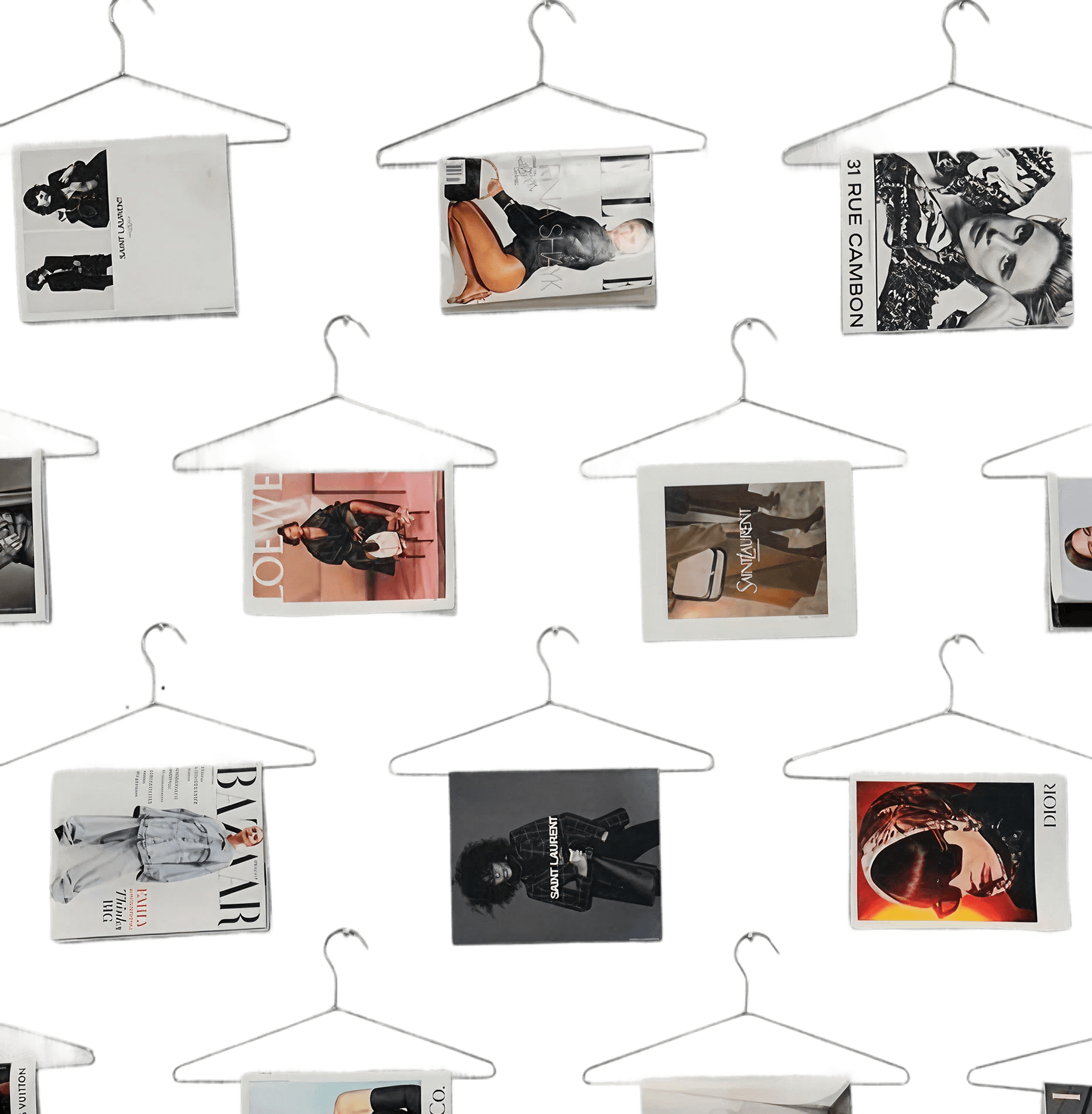
Optimisation asks what performs. Curation demands belonging.
For a gallery curator, hanging good artwork is the easy part. Knowing what not to hang is the actual job description. Selectivity is what defines the room.
Most creators have never refused to post something that would perform. Compromise, for the sake of exposure, dilutes identity.
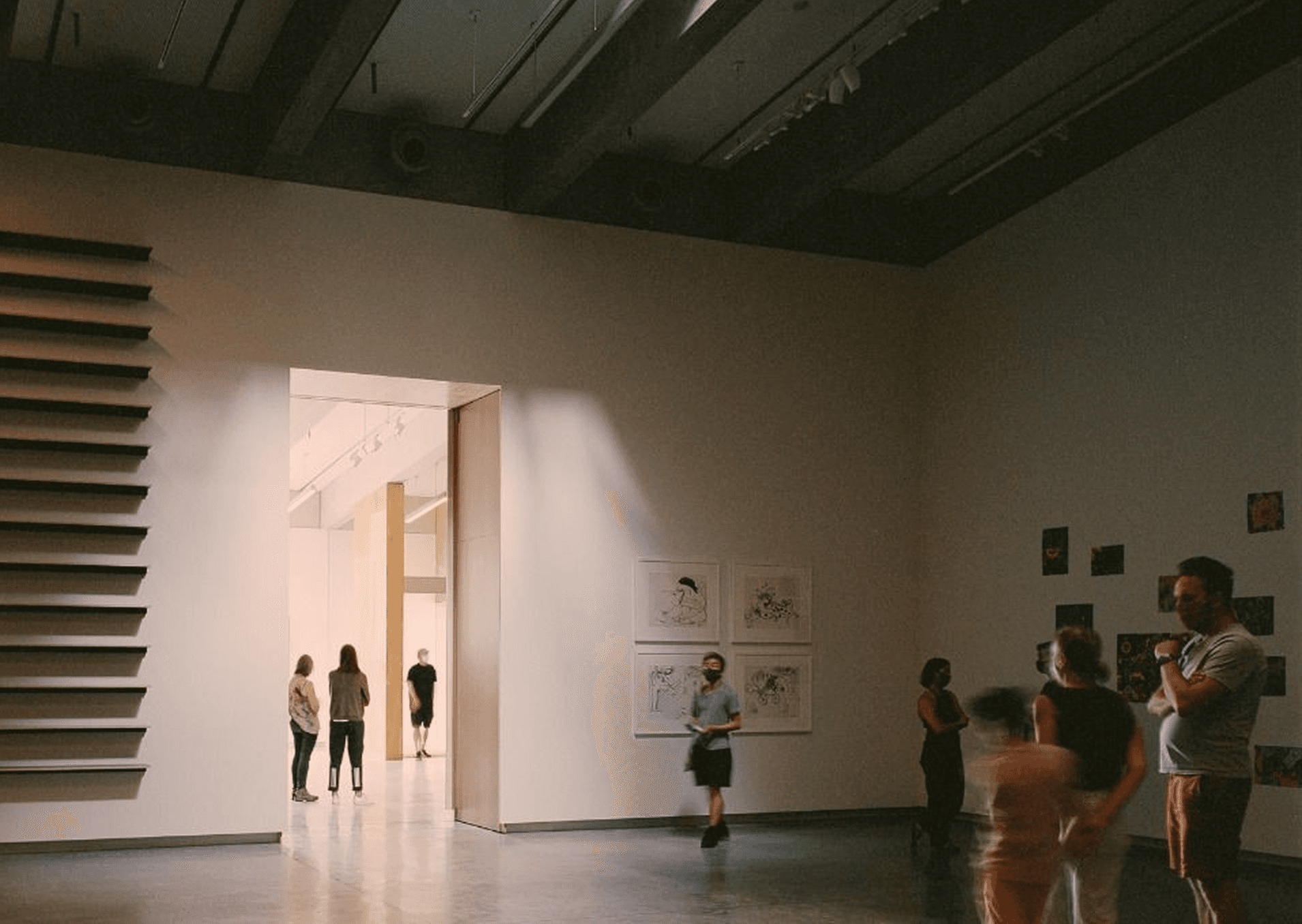
Knowledge has become democratized in the modern era. Esoteric style is the only moat left on the Internet.
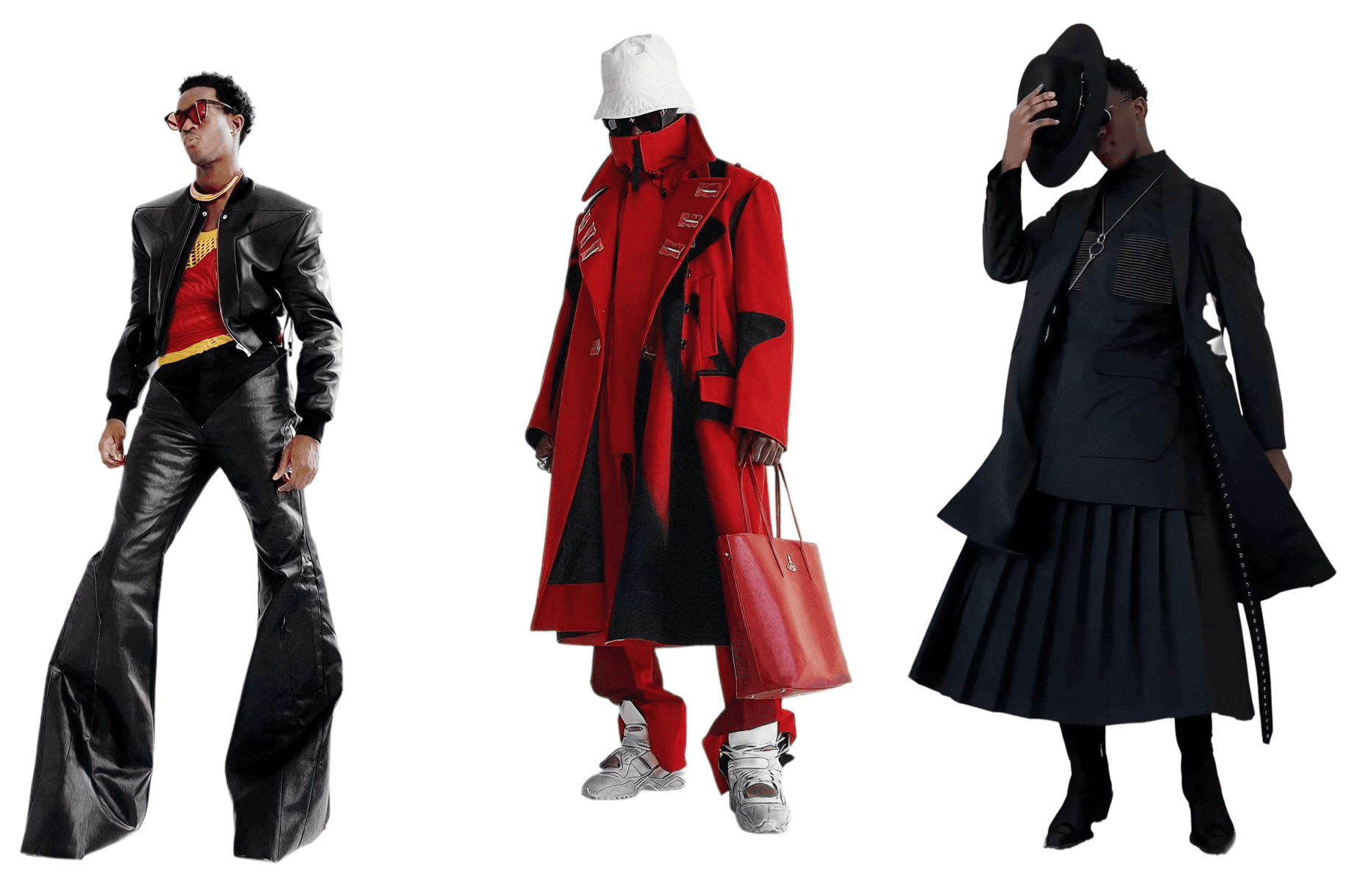
When Wisdom Kaye first started posting, he didn't have a content strategy, funding, or a professional setup.
What he had was a vision: a distinctive posture towards the world of social media fashion.
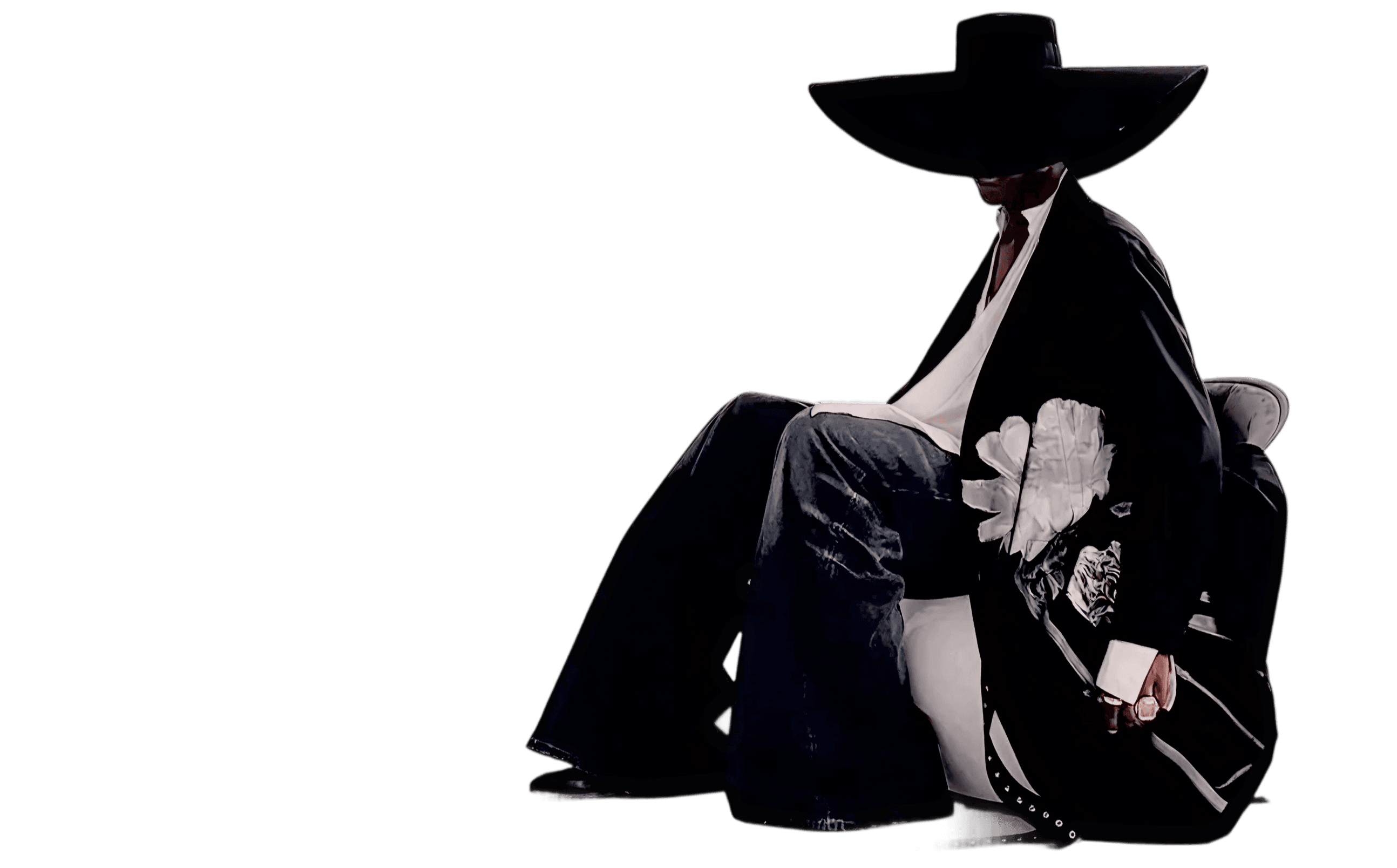
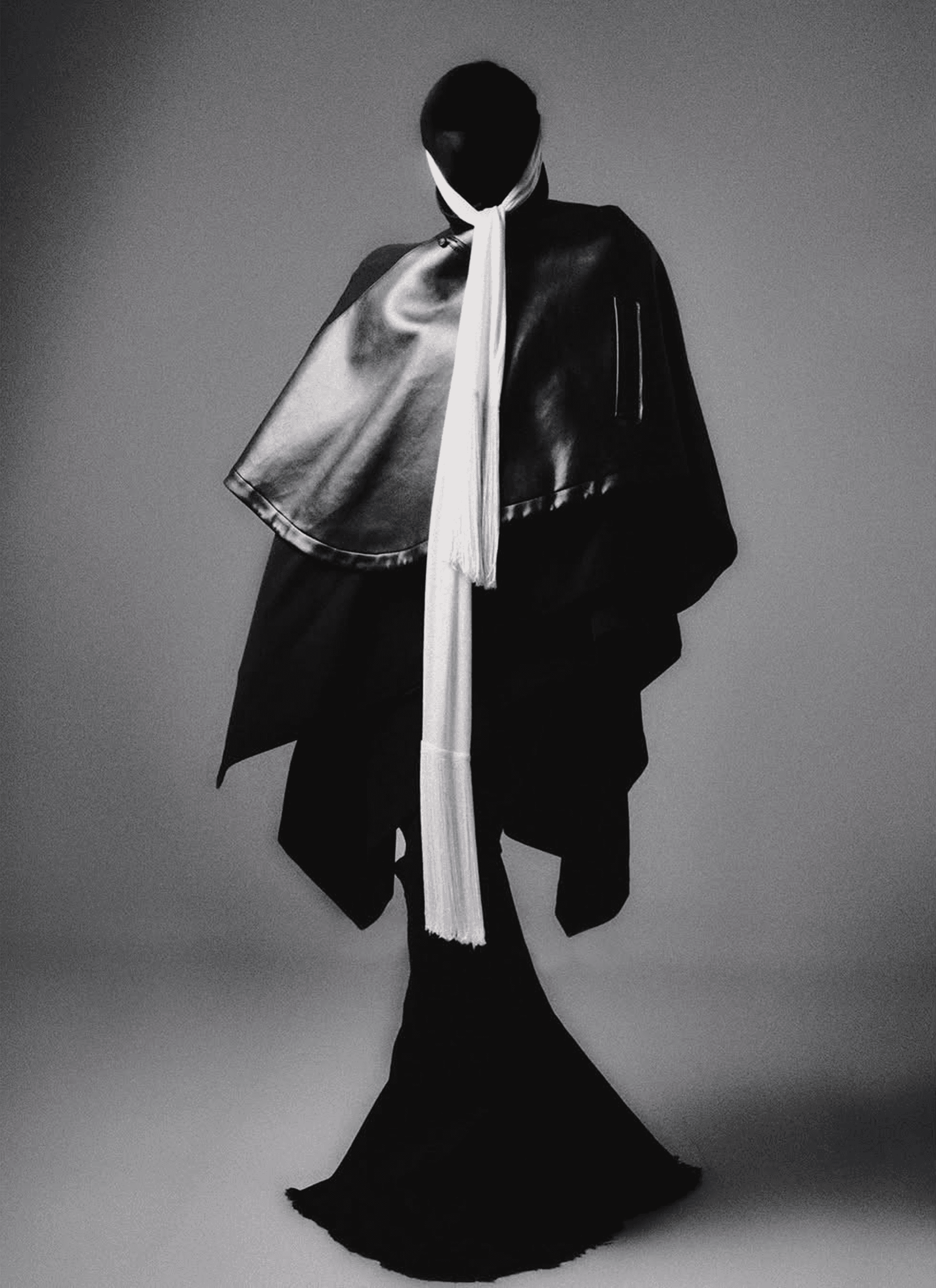
IMG Models scouted him. Dior, Fendi, Prada followed. TIME named him one of their inaugural 100 Creators. 8.1 million on Instagram. 14.2 million on TikTok.
None of it was built on a content calendar. It was built on a vision: one so specific that removing any post from the feed would change the character of the whole. You know a Wisdom Kaye video before you see the name attached.
By definition, optimization compromises. Curation refuses to.
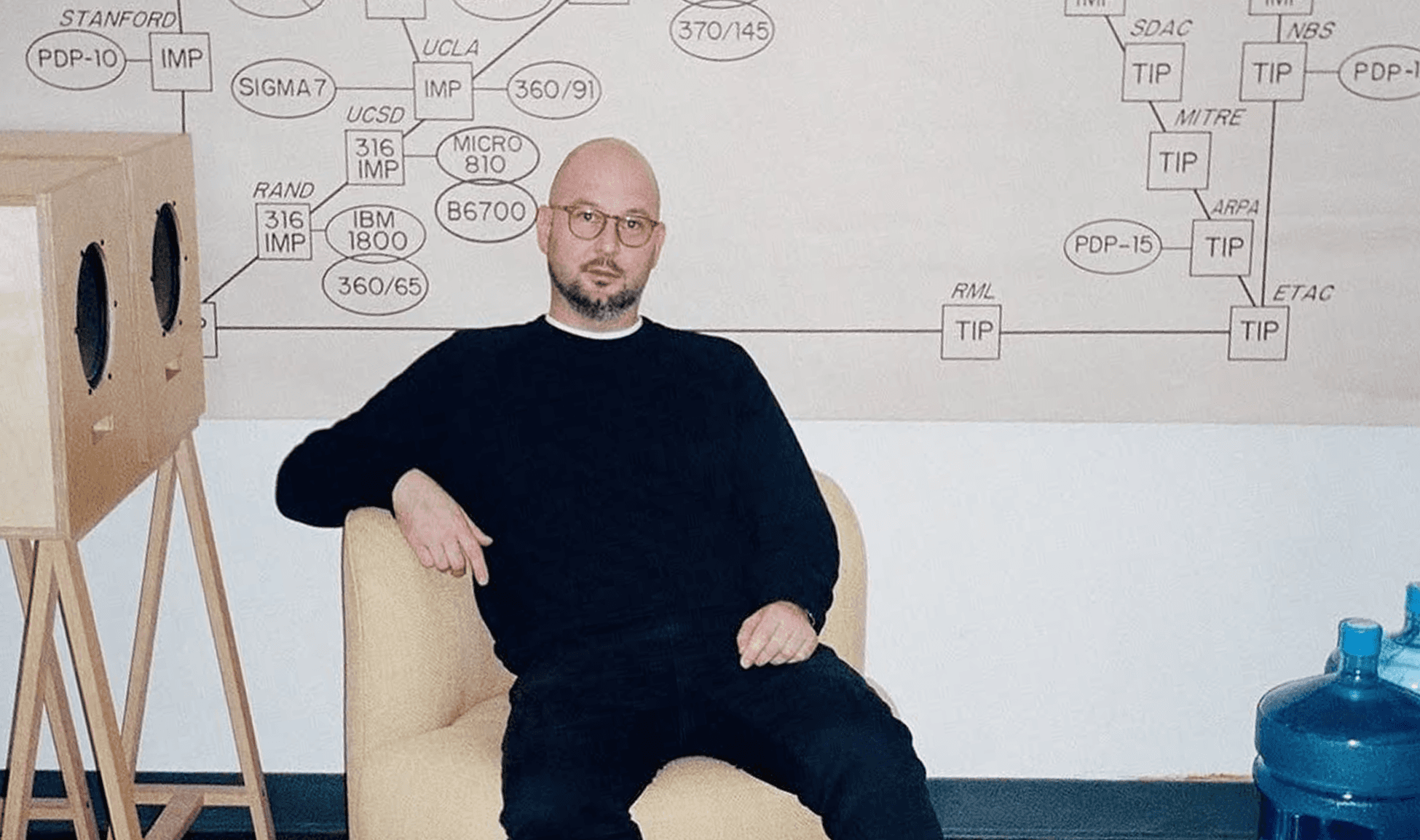
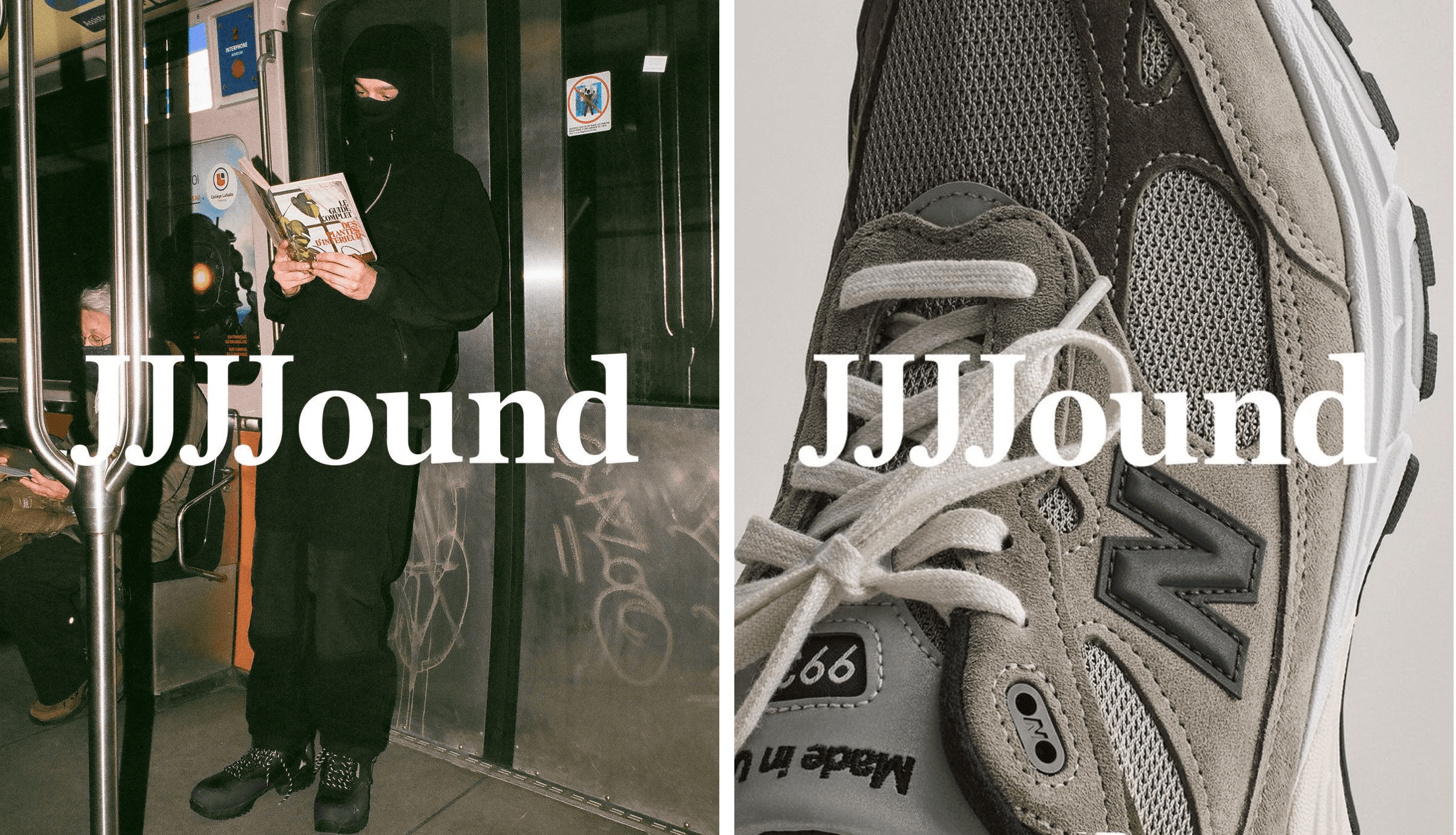
JJJJound has posted on Instagram for years with almost no captions.
Photographs selected and arranged by Justin Saunders with an eye so particular that the feed became a reference point for designers and institutions worldwide. No face attached. No content strategy. No conventional approach to audience building.
New Balance came to him. Vans followed. The collaborations arrived because the feed had gravity, the kind that pulls rather than chases.
Most creators build feeds that go to the audience. JJJJound built a feed the audience came to.
Hook in the first second. Trending audio. Post at peak hours. CTA in the caption. These are the billboard principles built to move traffic, capture attention, and optimize for the moment of impression.
They work. The metrics confirm it.
But billboards are interchangeable by design. They produce feeds that would be replaced within a week if the account went quiet.
The question isn’t attention, but retention. Anyone can position their content to be visible. But can you convince your audience to stay?

The most valuable feeds on the internet aren't the most optimised. They're the ones where every post belongs, where the leaving out is as deliberate as the including, where the identity is so specific that removing any single post would change the character of the whole.
Galleries don't compete with billboards. They operate on different terms entirely. A billboard is measured by how many people saw it. A gallery is measured by whether the people who walked in wanted to stay.
But meaning something requires a different question than performing does. Not what gets the most impressions, but what belongs on this wall.
Curators ask that question. Advertisers don't.
What is your identity?