Product vs. Universe
Transaction vs. Inhabitation.
House special
/

In March 2026, Under Armour signed Playboi Carti on a multi-year creative partnership.
It isn’t a sponsorship. Carti’s very specific aesthetic, from his quasi-goth palette, distorted silhouettes, and his entire Opium look, will directly sub-label inside the company. A multi-billion dollar sportswear company most popular amongst suburban America is reorganizing their brand ethos around the visual language of a rapper from Atlanta.
That’s not how brand deals traditionally work. Brands extract monetary value from culture. They don't bend to it.
This is what happens when someone builds a world instead of a product.




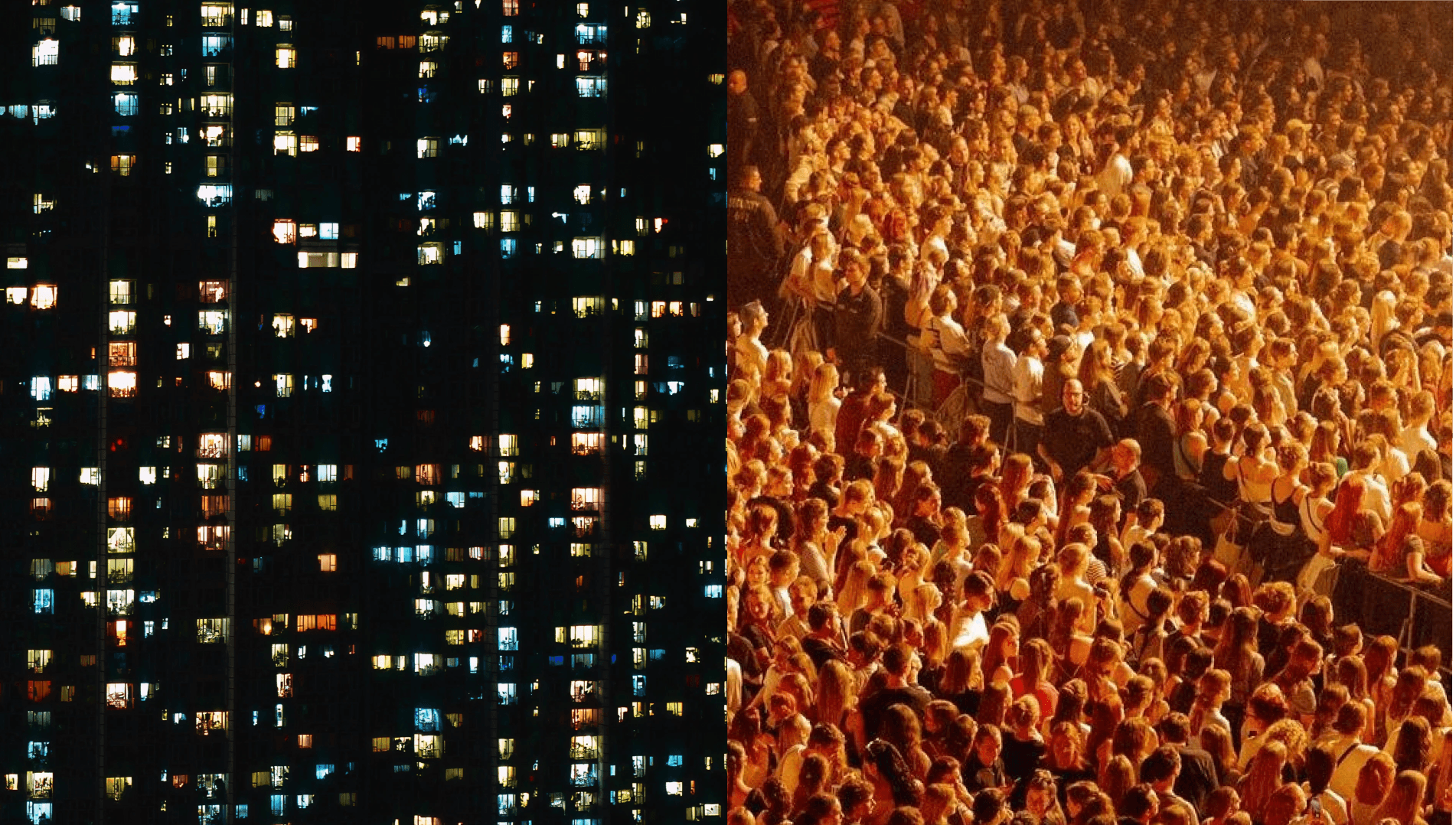
A world is different from a product in the same way a city is different from a building. A building is something you visit.
But a city is something you move your life into.
The brands people inhabit didn't get there by making better products. They got there by building somewhere people wanted to live.
People wear the hoodie because it shows the world something about who they are. They use the phrase because it connects them to something they want to be part of. They follow the ritual because it makes them feel like a resident of a place worth living.
That's not loyalty. That's citizenship.
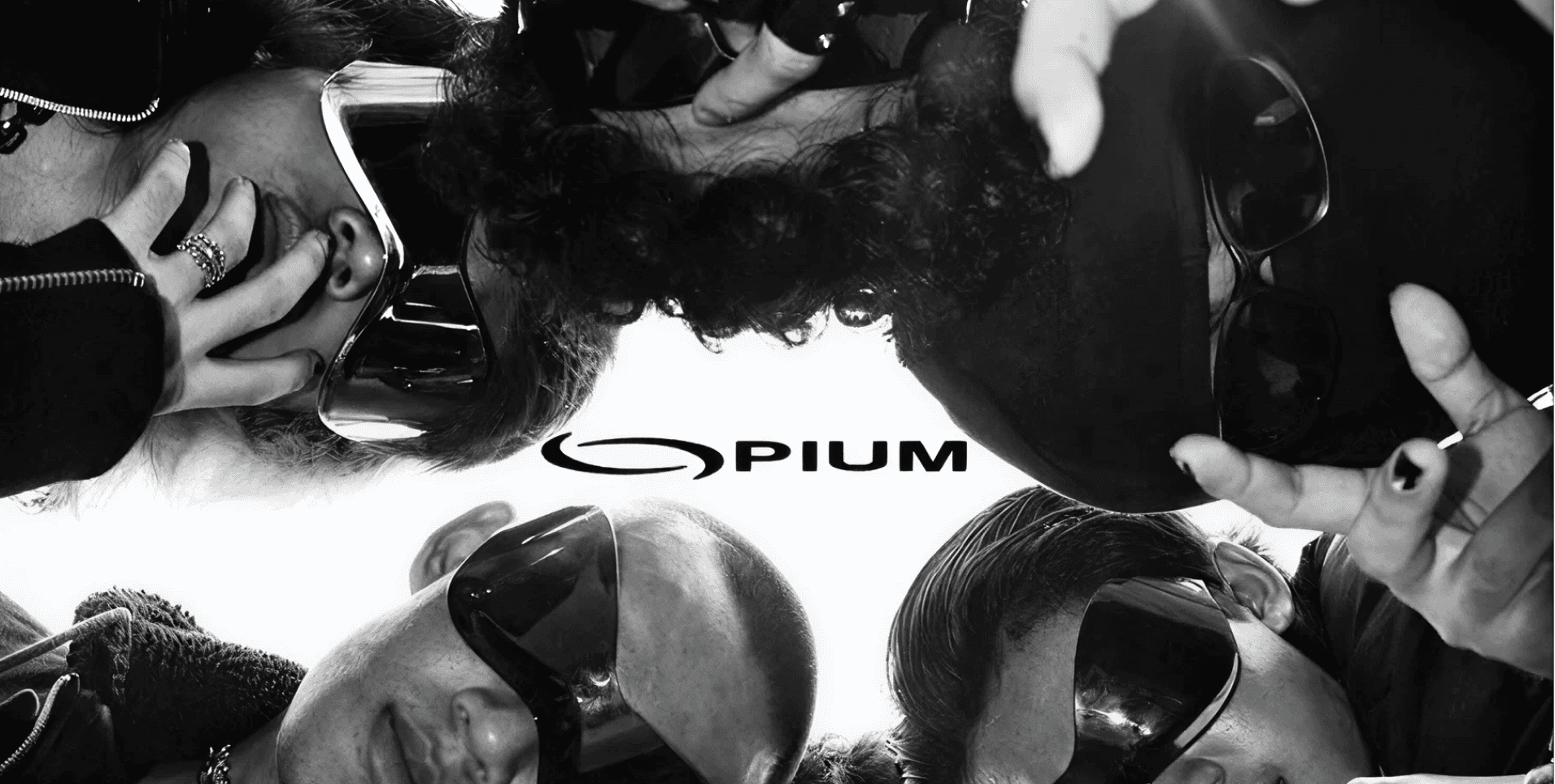
Through Opium, Carti unapologetically realized his aesthetic vision without permission from the industry that surrounded him.
His audience doesn't just listen to the music. They dress in all black, speak the lingo, curate their social media and persona to align with the moody, aggressive ambience of the Opium style. They've absorbed the aesthetic so completely it's become a lens through which they see themselves.
The vision was obsessively consistent through music, fashion, persona, even the artists he signed. More importantly however, it was unapologetically esoteric. It never compromised in its vision and execution.
That's why Under Armour is signing the deal, not the other way around. The world got large enough that the brand had to come to it.
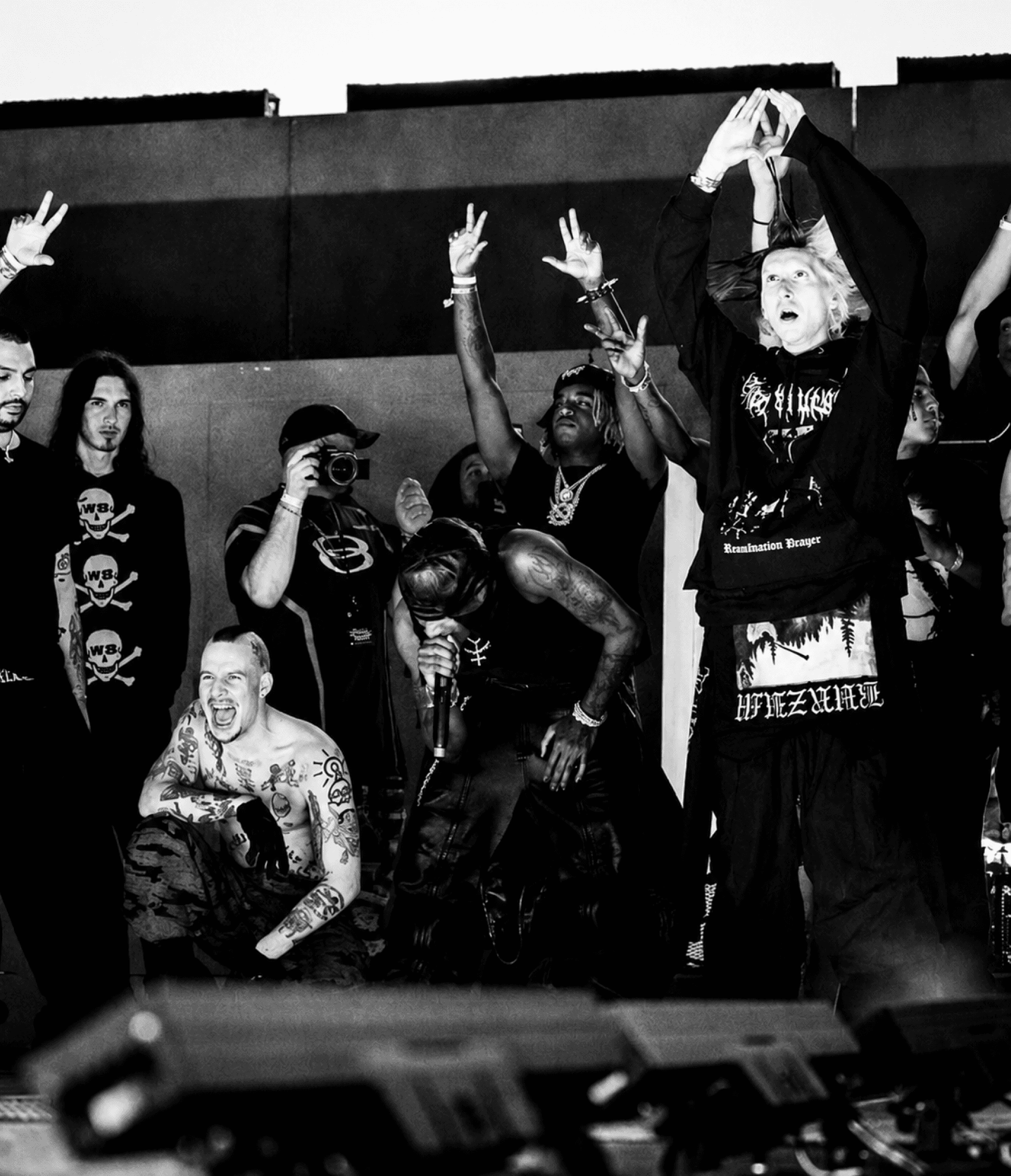
The world was the reason to stay.
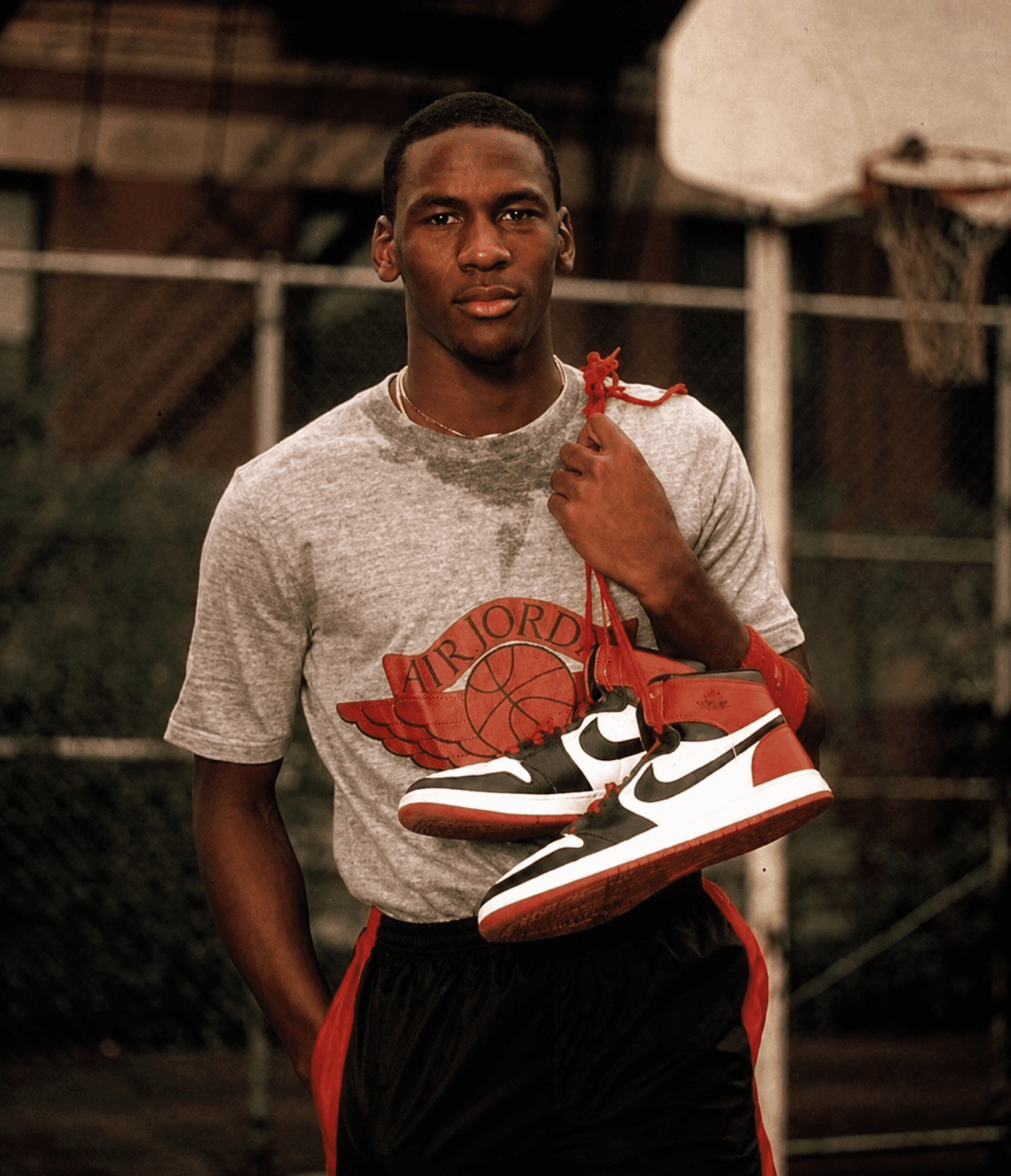
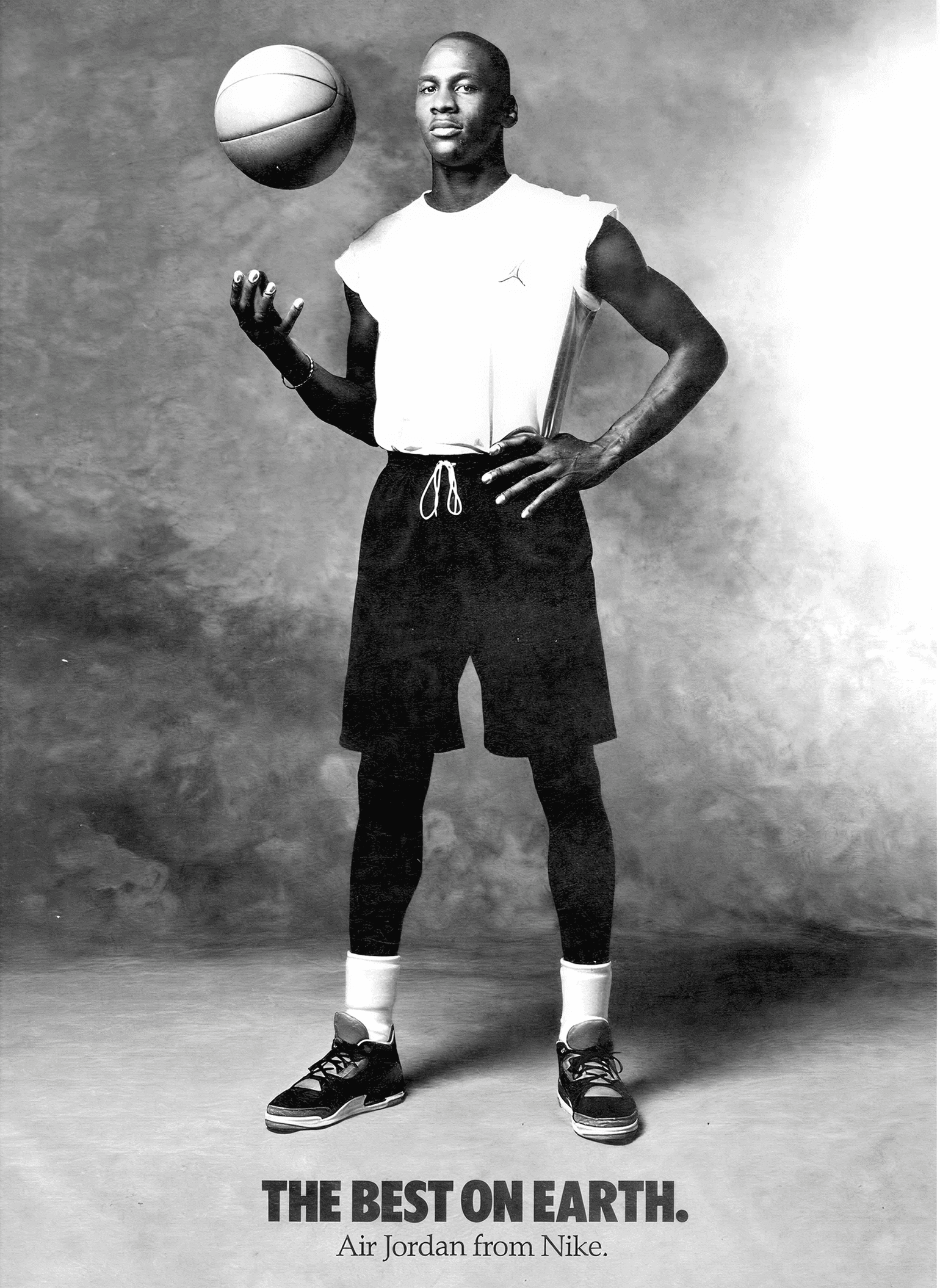
Forty years earlier, Nike trialed this formula on an emerging superstar out of North Carolina.
In 1984, Nike took their entire basketball endorsement budget and put it on one rookie out of North Carolina. Five hundred thousand dollars a year, more than triple the going rate. On a single player that hadn’t played a single game in the league.
Nike placed all their cards on one person's identity: Michael Jordan's hunger, style, and his uncompromising standard of excellence.
The Jordan Brand generates over five billion dollars a year. The man hasn't played a professional game since 2003.
The shoe was the entry point. The world was the reason to stay.
What Nike built wasn't a sponsorship. It was a culture with its own residents, its own uniform, its own internal sense of what counted as excellence. The man retired. The world kept going. Worlds don't need their founders to sustain gravity. They need a culture.
The toolbox most creators were handed was built for transactions: make content, Build an audience, sell to them. Repeat.
The brands that built worlds are running a different operation entirely. They focus less on their next social media post, and more on their systems that drive their world-building operations.
Worlds require the thing creators have been trained to flinch from. Operational rigor. Repeatability. The discipline to express the same vision across every channel for years until the audience stops being able to imagine the category without you in it.
Carti's universe didn't happen by feel. Nike's universe didn't happen by inspiration. Both were built by people who treated systematic execution as the path to creative gravity, not the enemy of it.
The brands that last didn't build bigger audiences.
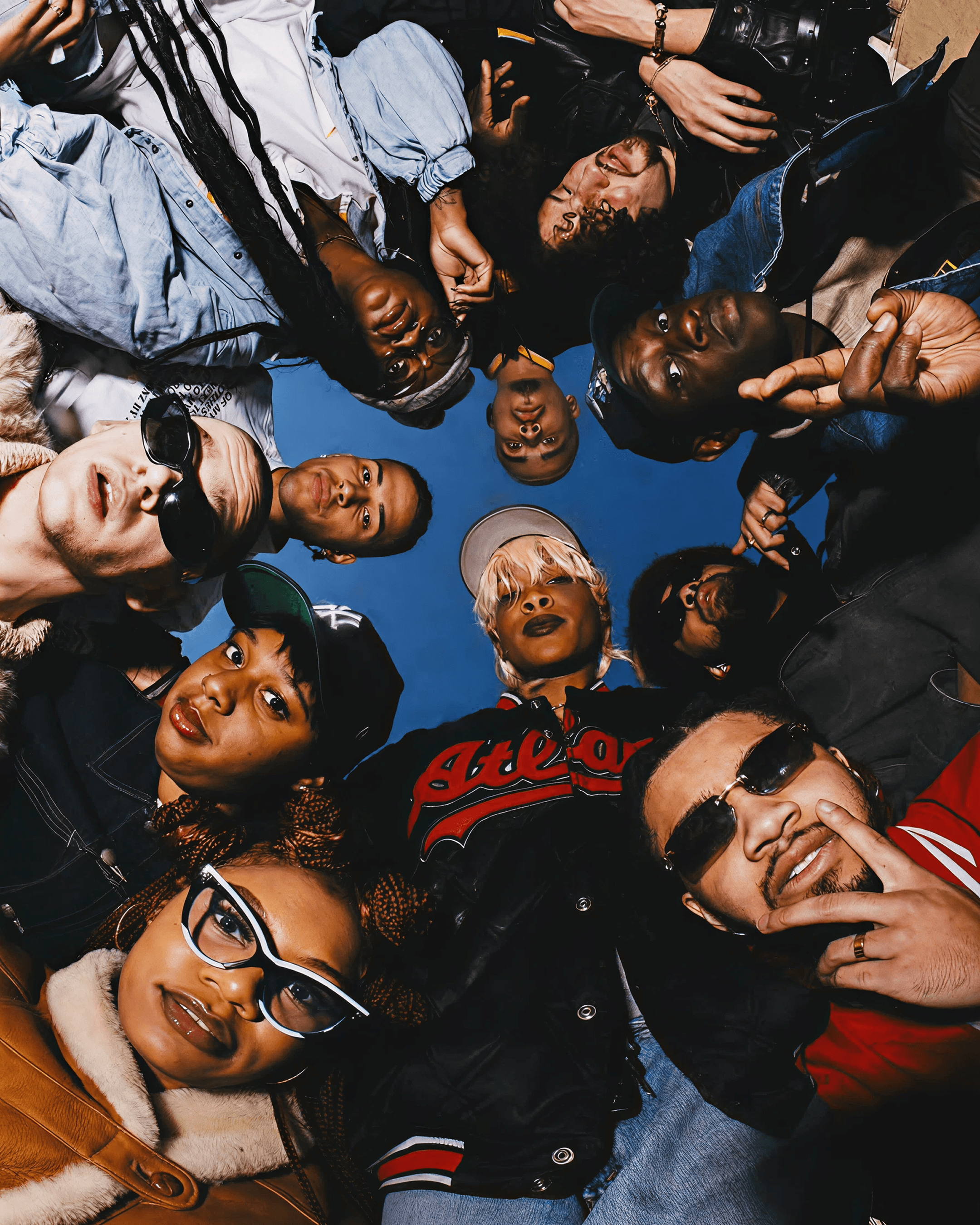
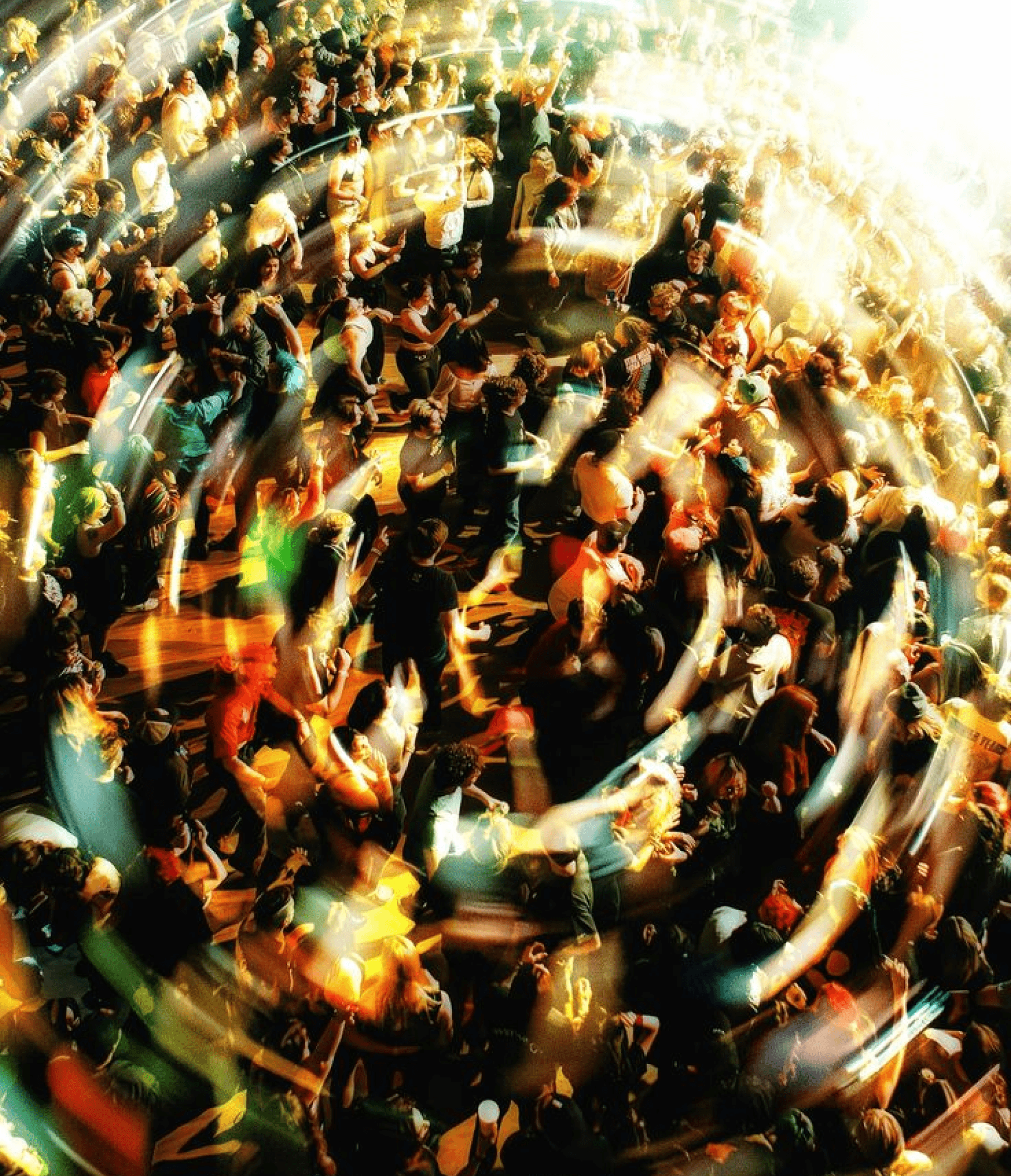
They built worlds with their own gravity, strong enough that the audience stopped being an audience and became a population.
People who wear the uniform, speak the dialect, perform the rituals, and organise their daily life around something that started as content and became identity.
That's not marketing. That's cultural architecture. The kind that takes longer to build, requires a different set of questions, and produces something that no product launch or content calendar can replicate.
The distance between making something people buy and building something people live inside is the distance between a brand that generates revenue for a season and one that compounds for a decade.
Does the world you’re building have enough gravity that leaving it would feel like a loss?