Patreon is Rebuilding the Follow Algorithm
A quiet product launch signals a new future for social media.
Breakout
/

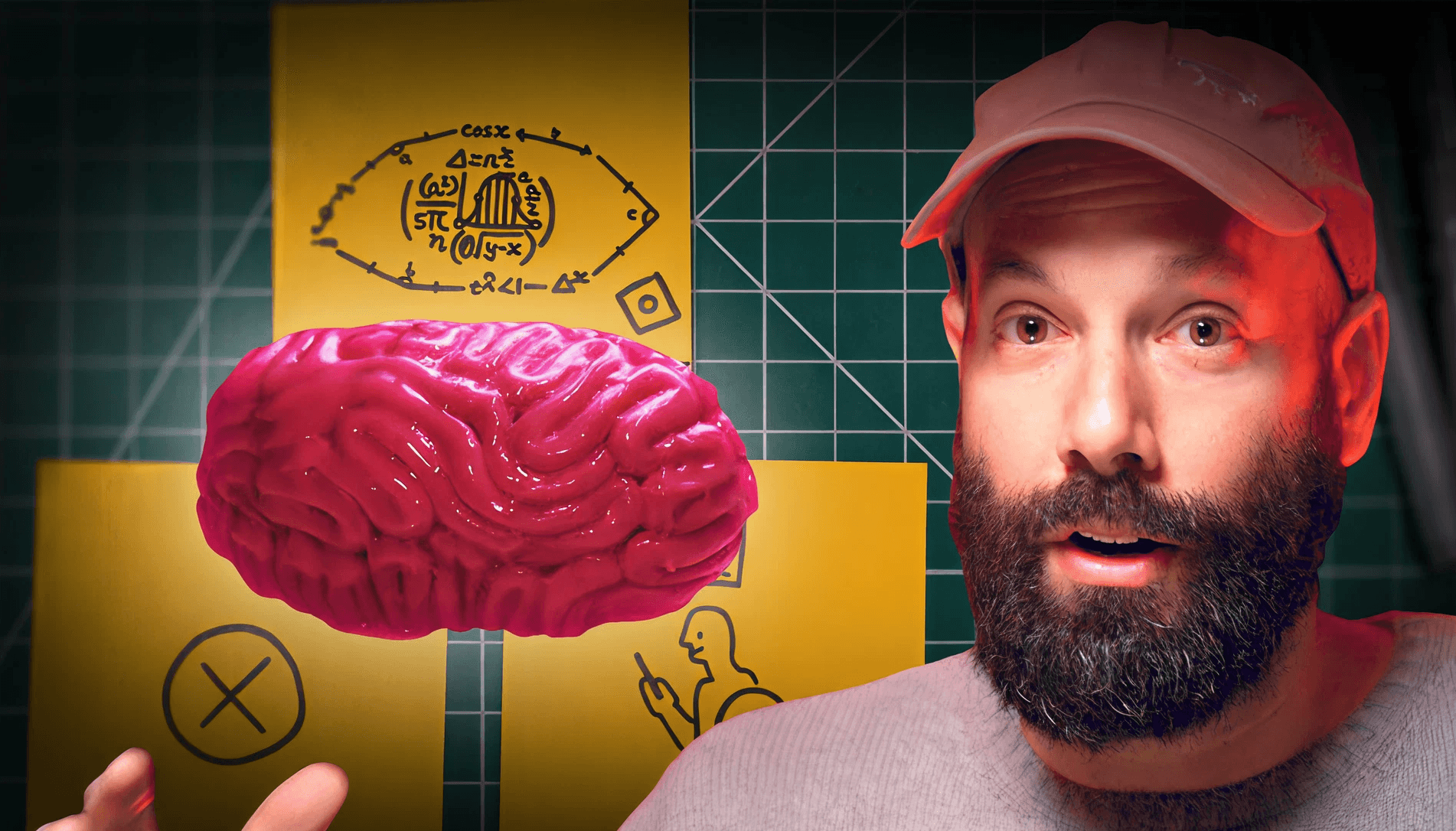
Earlier this year, Patreon cofounder Jack Conte partnered with The New York Times to publish a short video essay titled, “I’m Building an Algorithm That Doesn’t Rot Your Brain.”
Conte calls today’s social feeds a “dystopia” driven by ad-based algorithms and argues that discovery tools should serve people rather than exploit their attention.
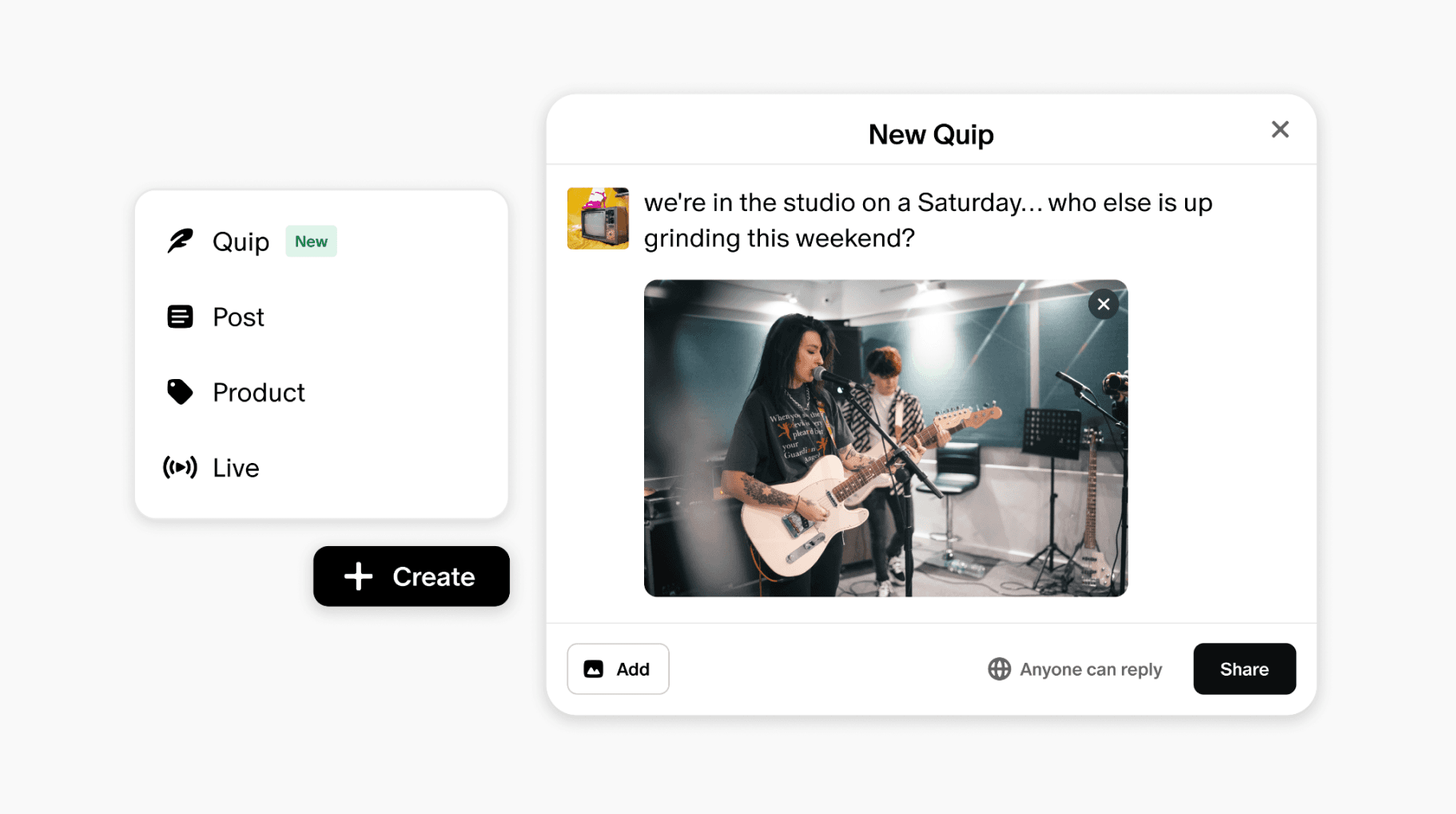
In recent months, Patreon has rolled out new audience-growth features, including Quips, a Twitter-like posting format, and a personalized home feed that recommends creators to fans with overlapping interests.
Unlike traditional social platforms, these tools were specifically designed to help creators grow their audiences on Patreon instead of relying on external platforms like Facebook or TikTok.
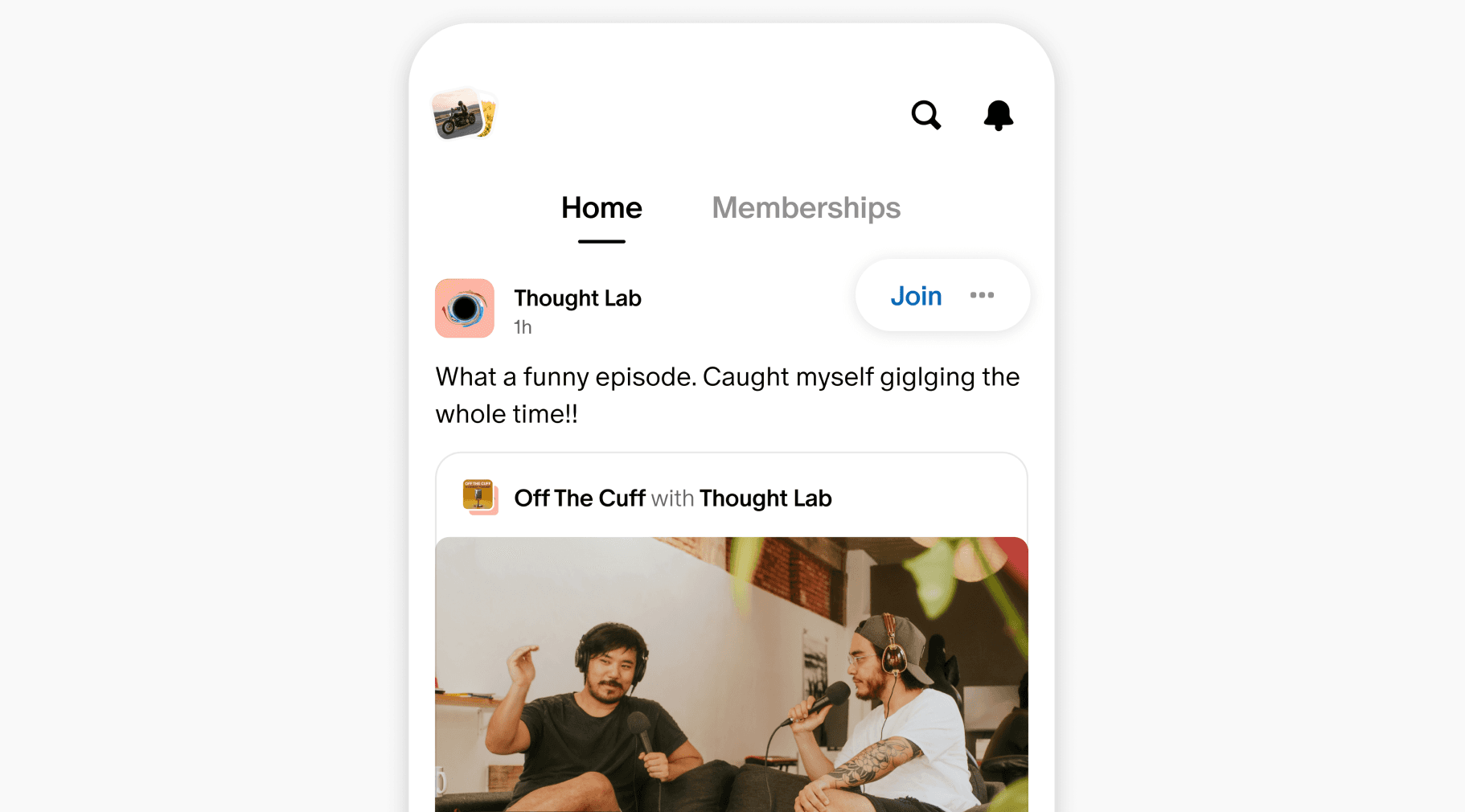
Patreon has been quietly rebuilding the original "follow" internet from the inside out.
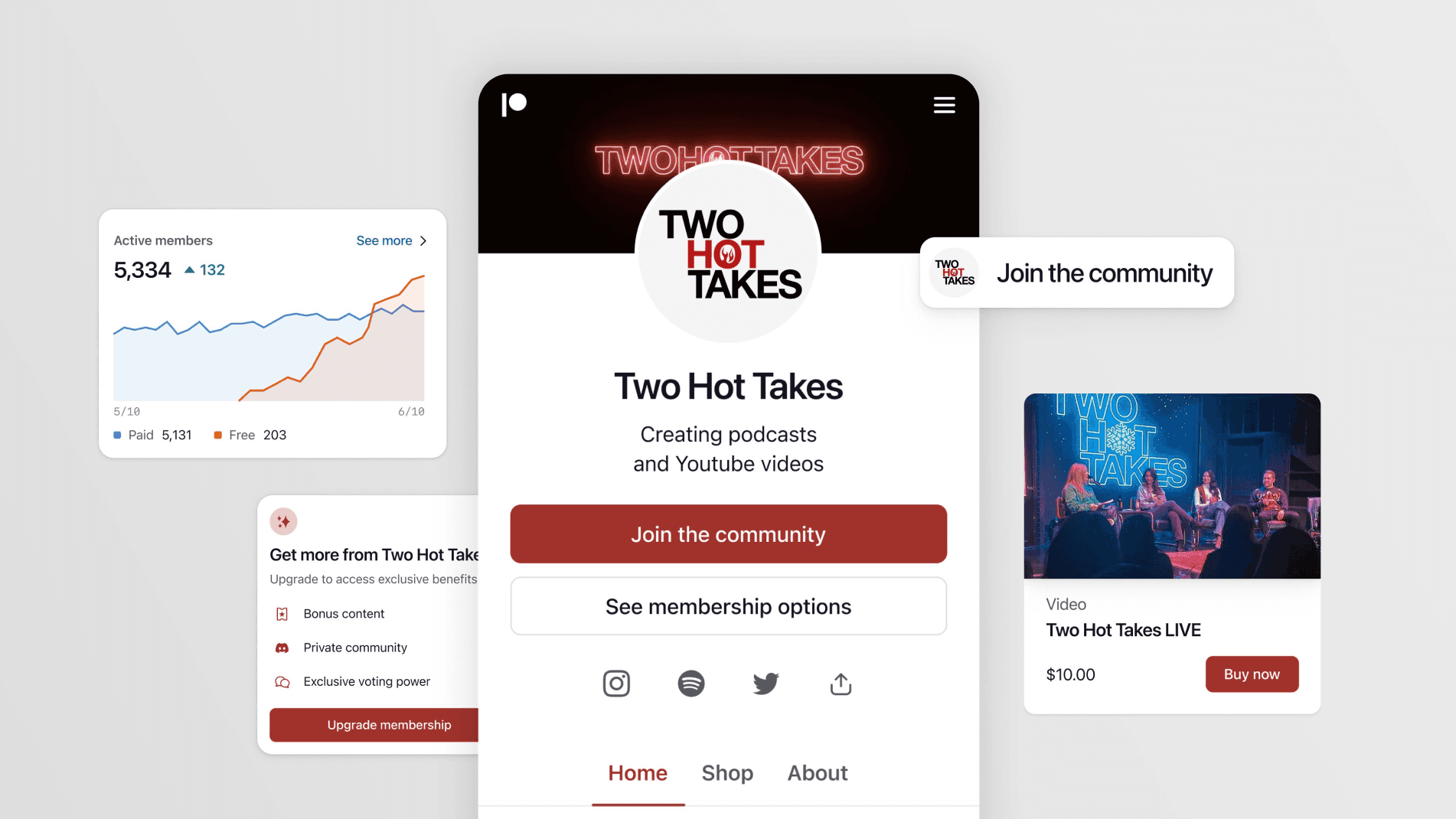
Since 2023, creators have been able to add free followers who automatically receive every post through email and app notifications.
Patreon explains, "When you share something on Patreon, you know members will see it in their inboxes. Your work isn't blocked or buried by an algorithm."
Creators have reported 3x audience growth after adding free members, with no decline in earnings.
When paid subscribers cancel, they're encouraged to remain as free followers. 80 percent choose to stay connected.
While many platforms have deprioritized the follower relationship in favor of algorithmic discovery, Patreon has doubled down on it, strengthening long-term creator-fan connections and building more durable communities.
“The follow is too important to die. It's the foundation of creator-owned media.” - Jack Conte

More companies now view owned communities as their primary distribution channel.
Traditional social platforms optimize for reach and engagement because advertising drives their business model. Patreon optimizes for creator retention and audience ownership.
Conte has argued that without its own discovery system, Patreon would leave creators dependent on external platforms for growth.
That’s why other companies are moving in the same direction. Substack emphasizes direct subscriber relationships, Mastodon promotes decentralized communities, and Bluesky is built on the idea that users should own the network effect.