How SideTalk Became the Voice of New York During The Knicks Run
The Knicks’ biggest opportunity in media was standing outside MSG.
Breakout
/
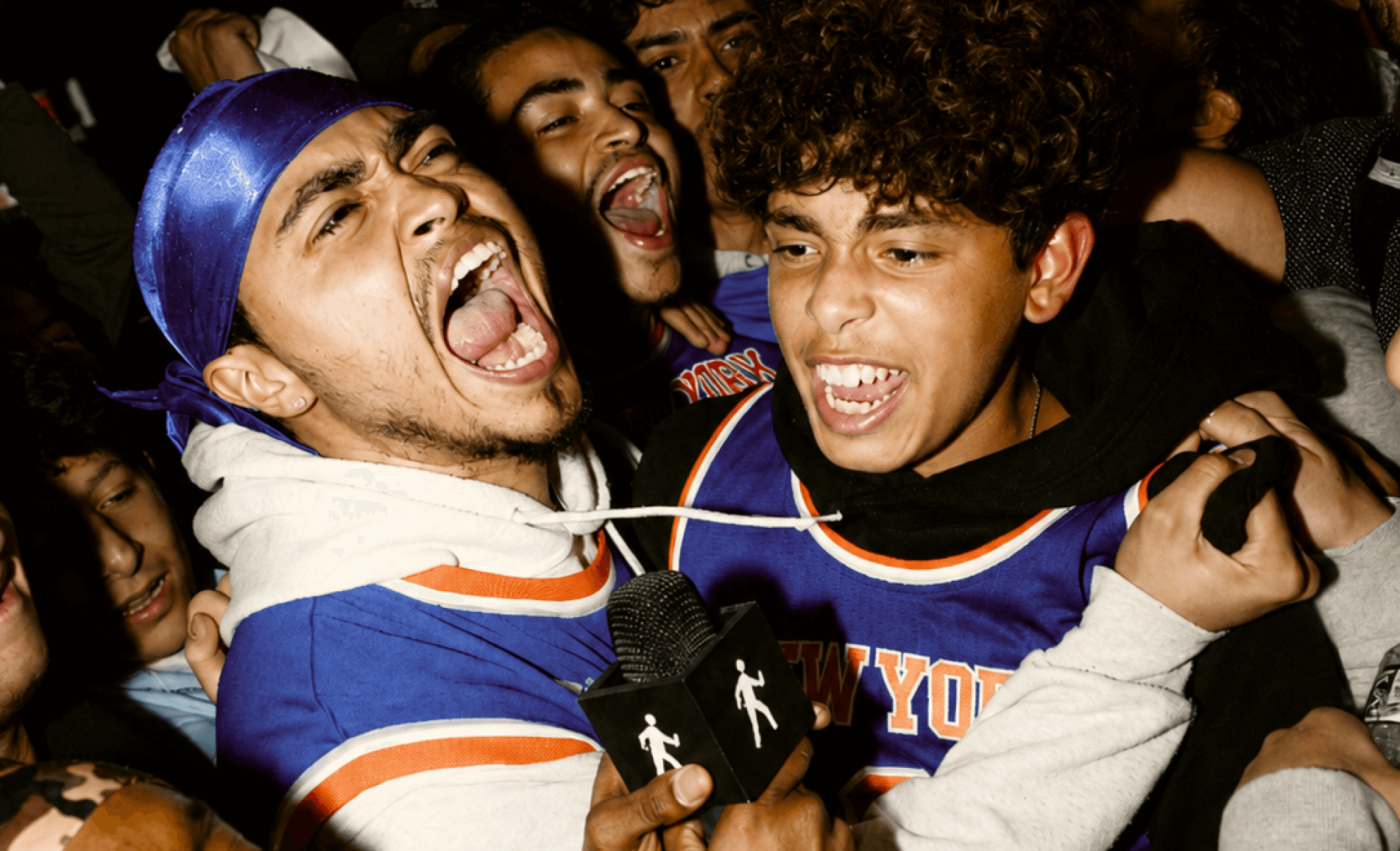
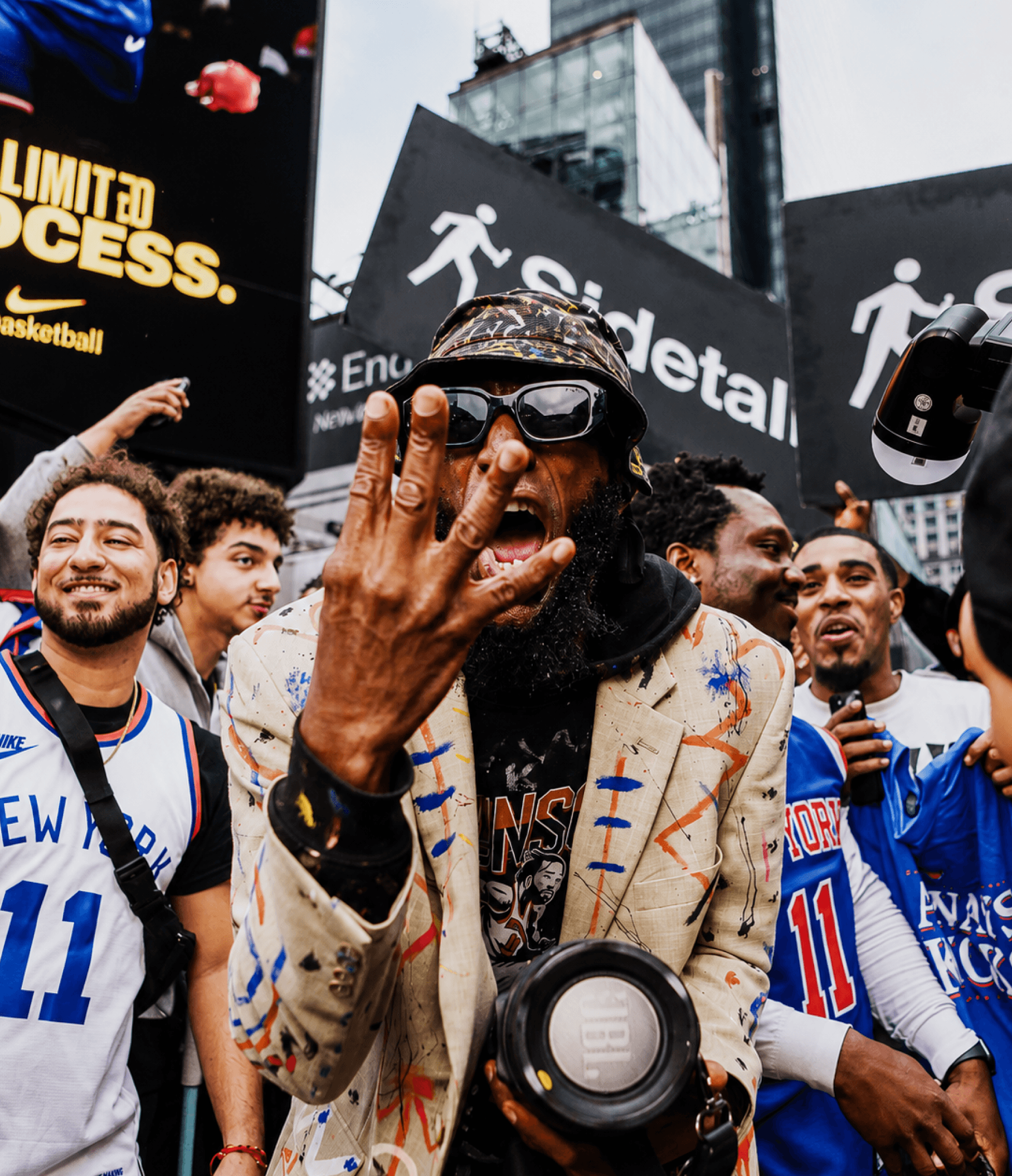
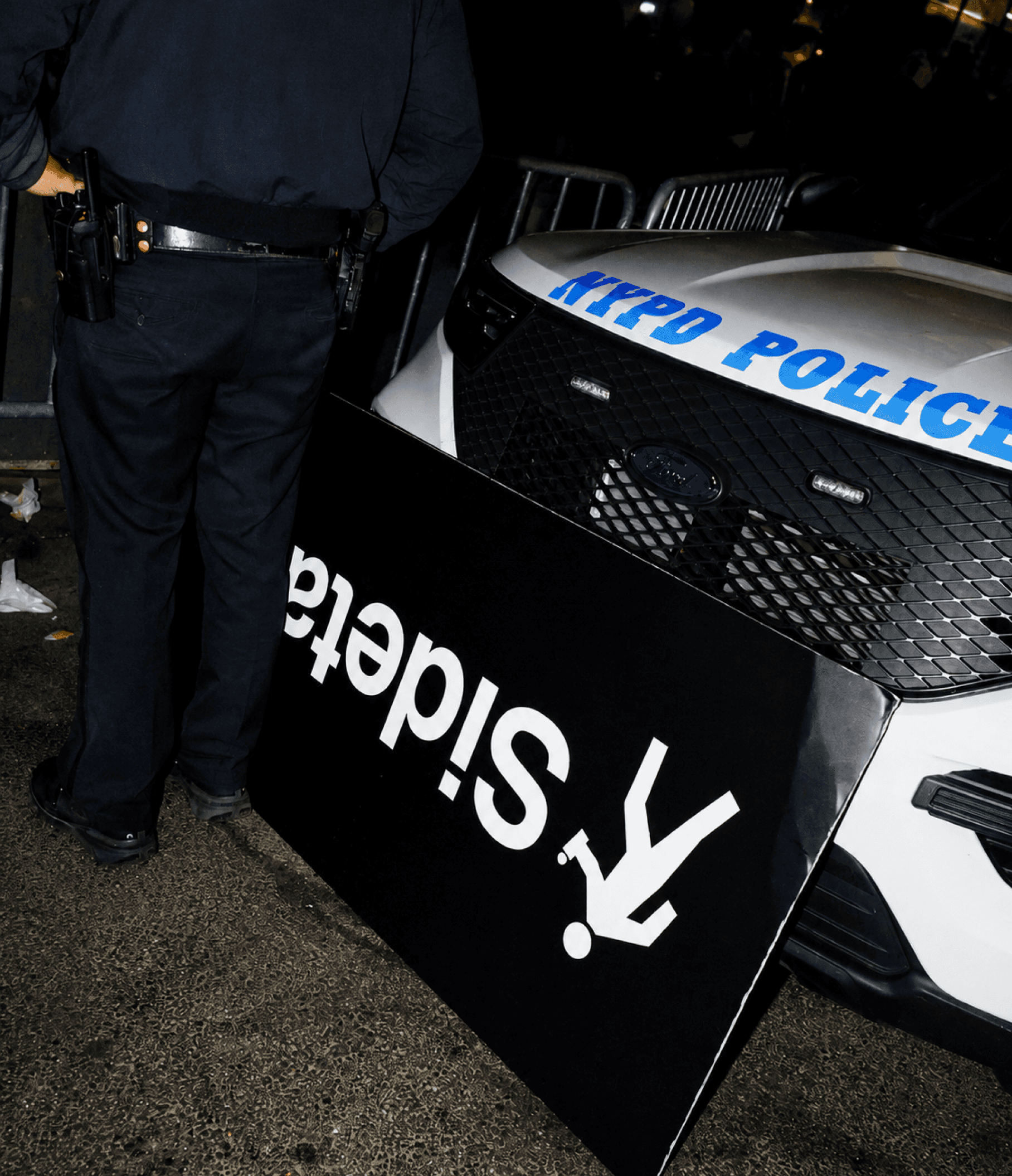
During the Knicks' 2026 playoff run, short-form show Sidetalk produced some of the most recognizable coverage of the entire season.
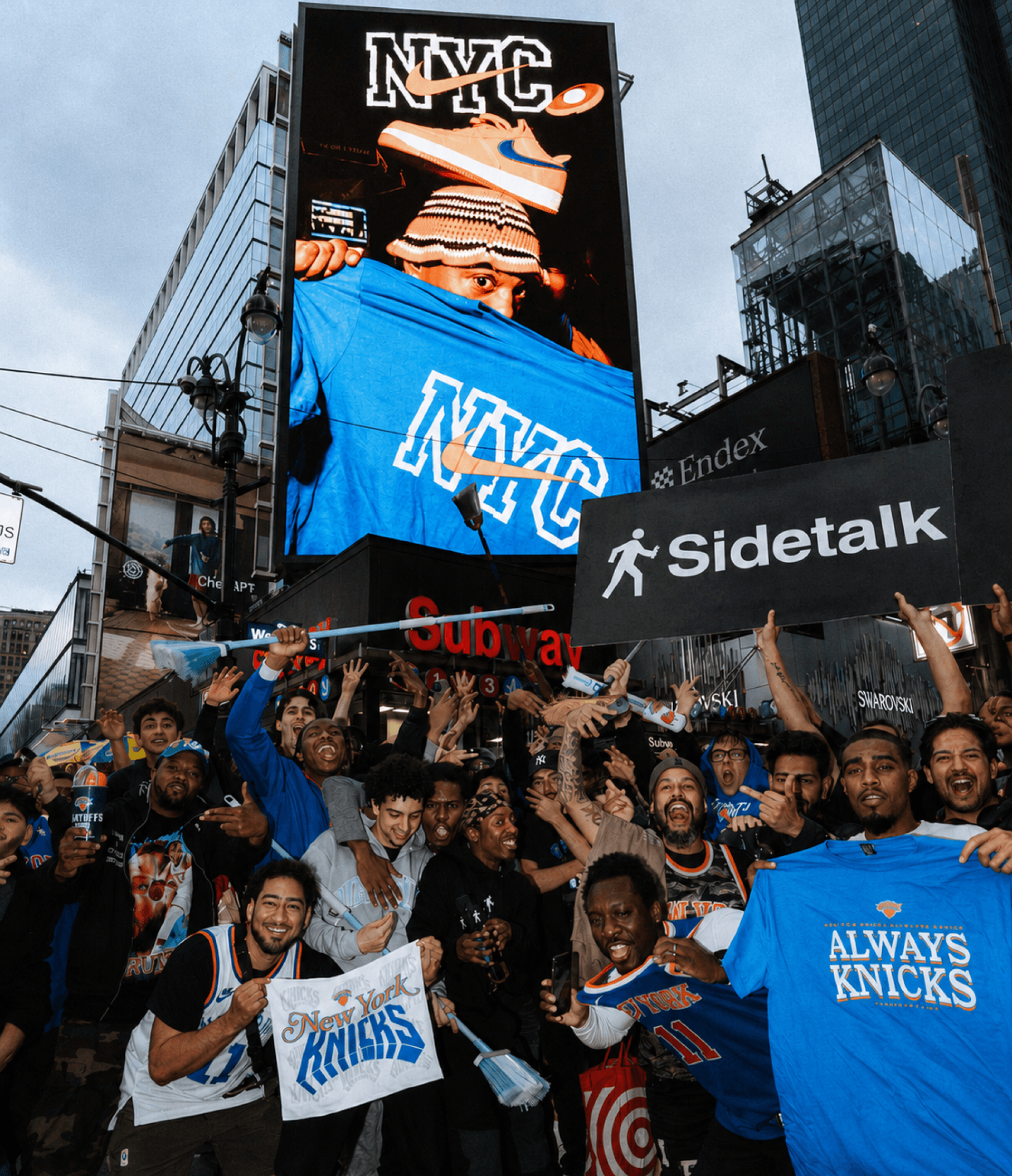
Thousands of fans spilling out of Madison Square Garden. Chants echoing through the streets. The cultural moments that major sports networks miss.
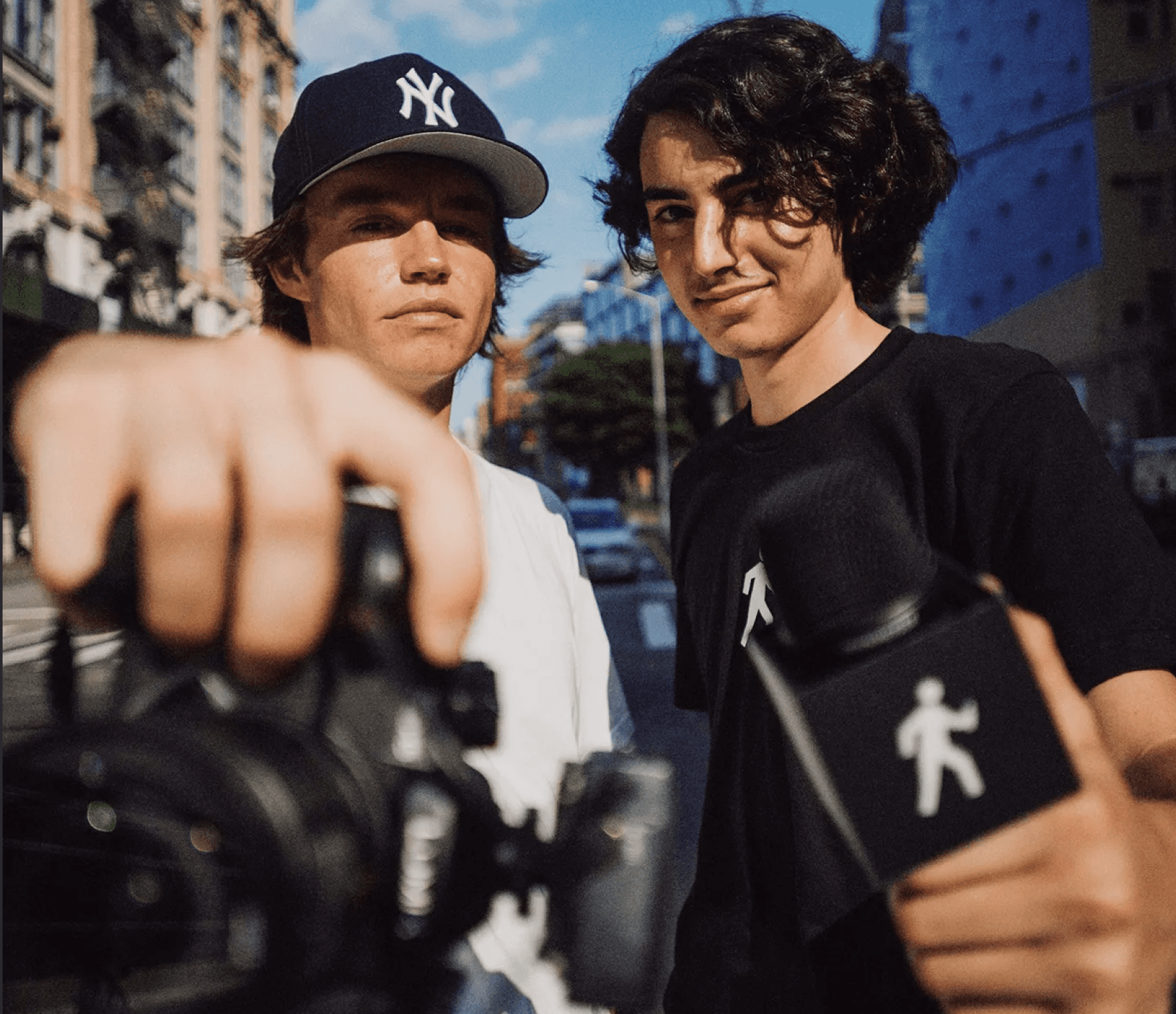
The show was created by NYU freshmen Trent Simonian and Jack Byrne in 2019.
It has since grown into a media company with 1.7 million followers, representation from WME and Brillstein, and a catalog of moments that have become part of New York culture itself.
Short-form shows are now competing directly with sports network.
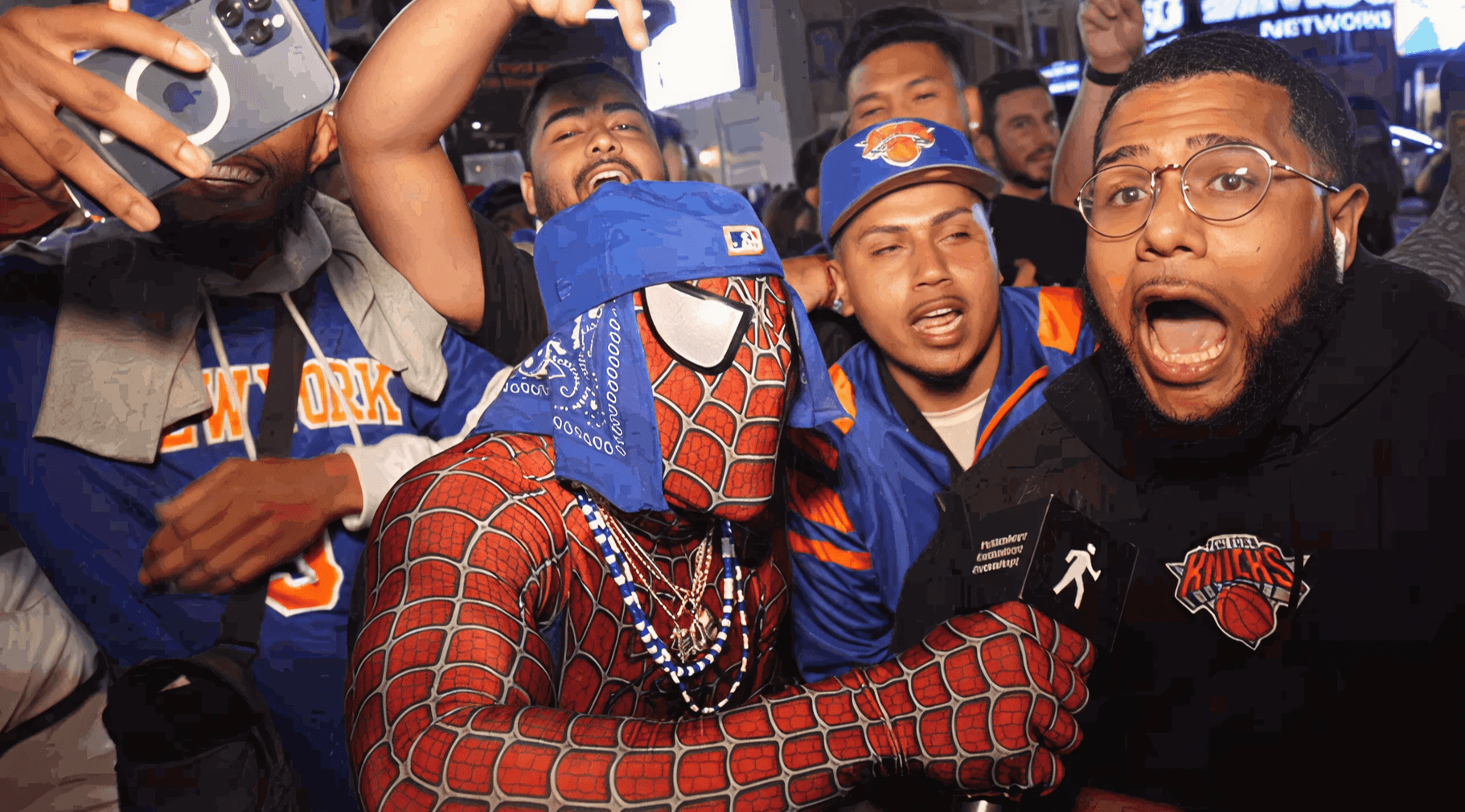
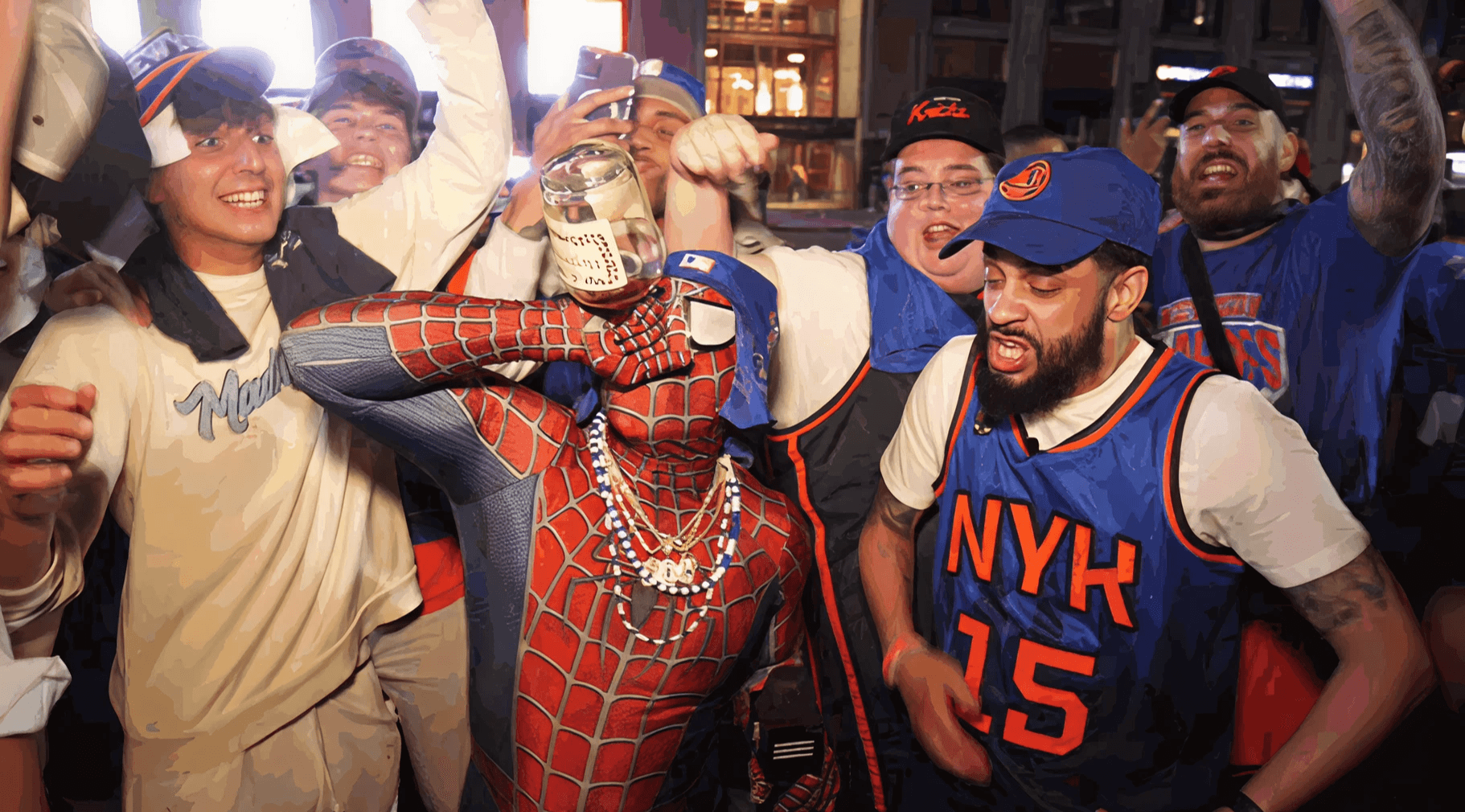
Before the agency deals, before Joe Biden parodied “Bing Bong,” and before the clips became part of basketball culture, Trent Simonian and Jack Byrne were already walking New York with a microphone.
Block parties. Local characters. Neighborhood events. Documenting the kinds of scenes an average media company overlooks.
By 2026, when the Knicks were back at the center of the city, Sidetalk had already spent years documenting the people around them. That is why the communities themselves started inviting them directly.
The city didn’t suddenly become interesting overnight. Sidetalk paid attention longer than anyone.¨
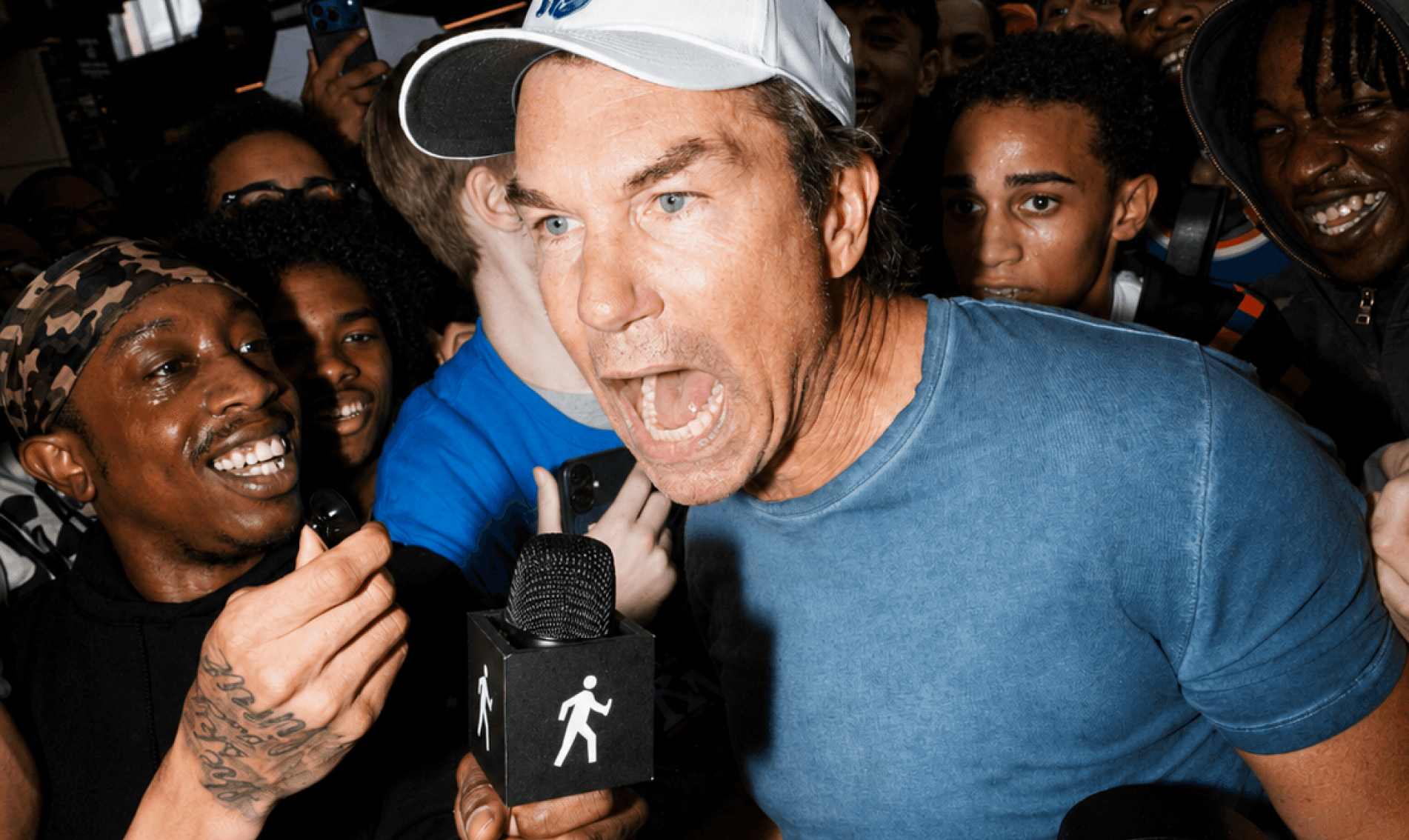
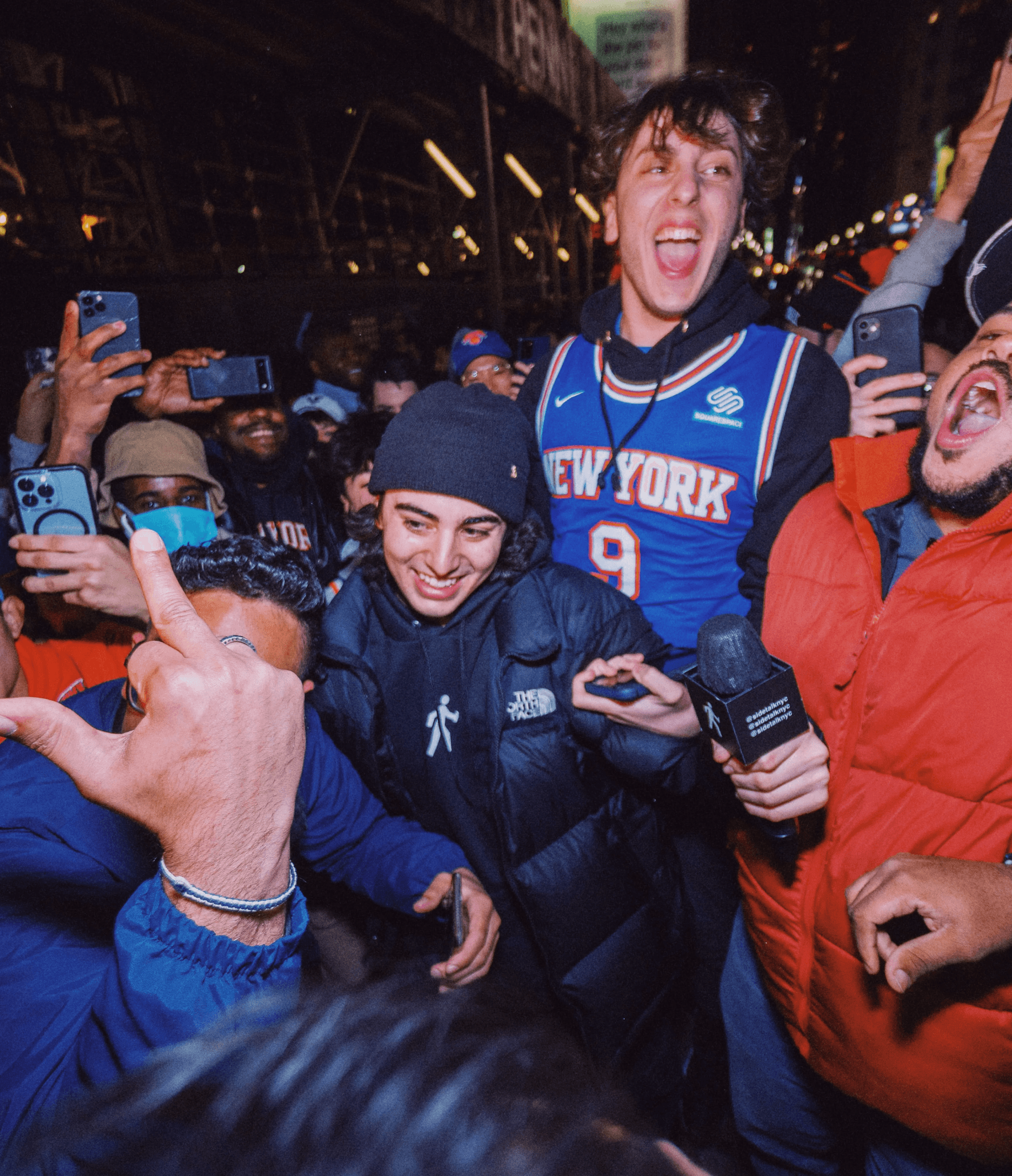
ESPN, TNT, and regional sports networks all built their businesses around owning access to the game. The broadcast. The rights. The cameras inside the arena.
Sidetalk benefits from everything that happens after it.
The watch parties. The celebrations outside Madison Square Garden.
Many of the moments people will remember from the Knicks' 2026 season happened after the final buzzer.
Legacy media still confuses access with advantage. Sidetalk shows that the people closest to culture usually get there first.
As sports networks spend billions competing for broadcast rights, creator-led media is building around something far easier to access and far harder to replicate: the community the event creates.