He Declined $100M.
Then Built Something Worth Four Times More.
Breakdown
/


Steven Bartlett dropped out of college to develop Social Chain, an agency that harmonizes brands and with social media.
He then built Social Chain into a $600 million agency by speaking to younger audiences in a way competitors could not replicate.
And at the peak of its success in 2020, he left.
Not because the company was failing. Because staying meant diluting his ownership. He treated the decision as an asset question, not a revenue question.
That distinction became the template for every choice that followed.


With his new venture, The Diary of a CEO, Bartlett refused to leave distribution to chance.
He hired a team to test 100 thumbnails per episode and ran Facebook ads before each release to optimize performance before the video went live.
The podcast was as much a system as a show.
It produced over one billion YouTube views. The audience was not built through luck or reach. It was engineered through iteration.
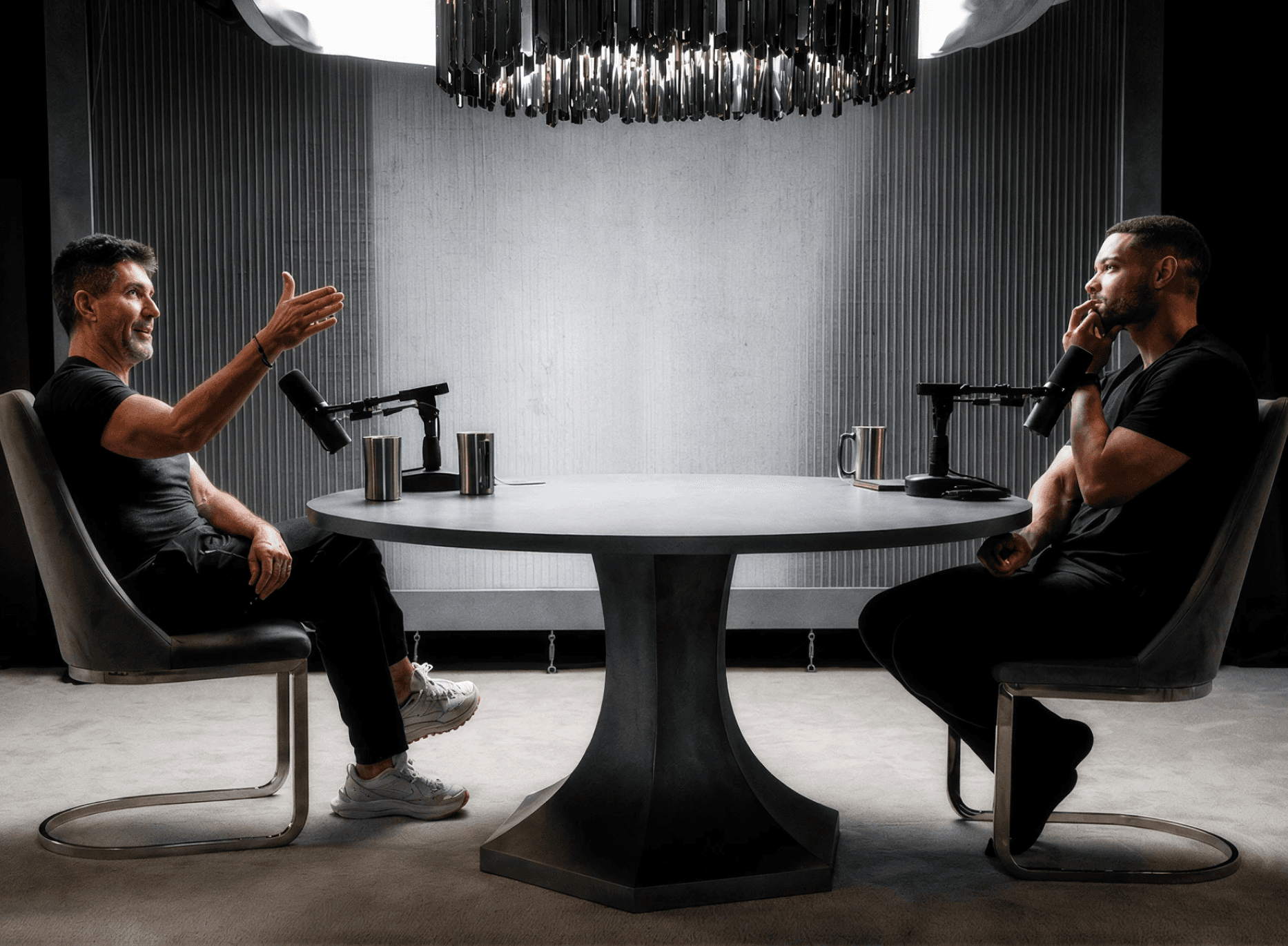
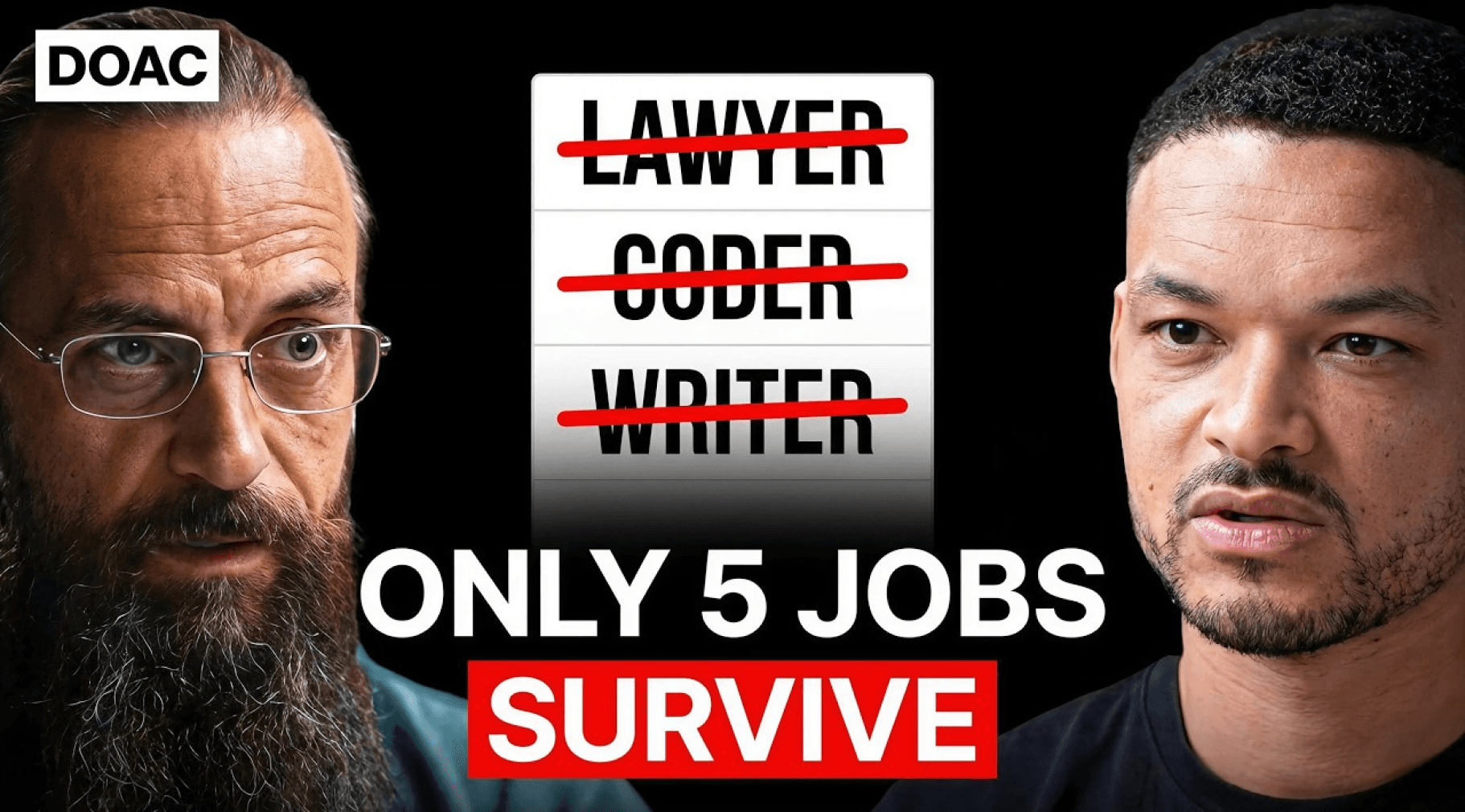
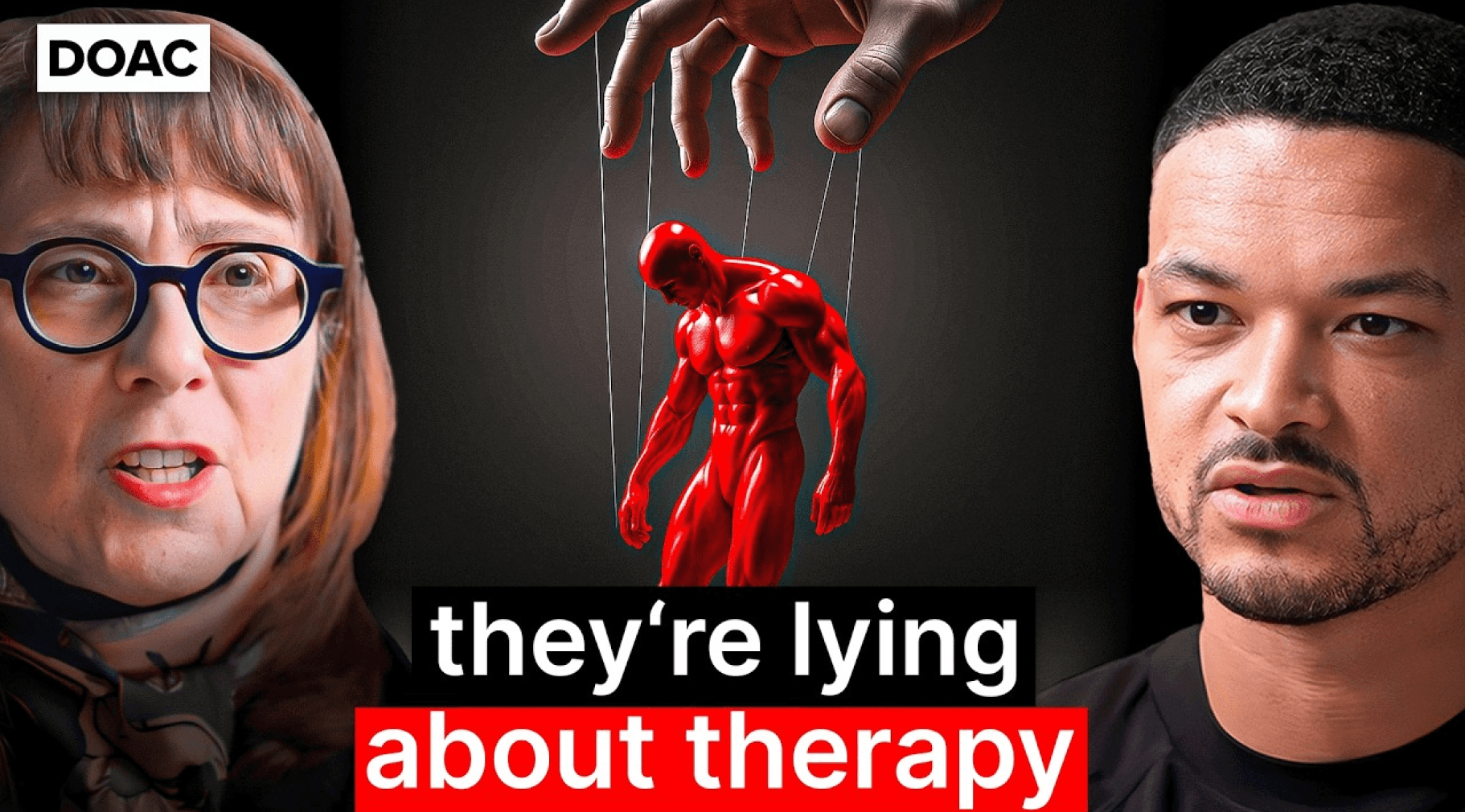
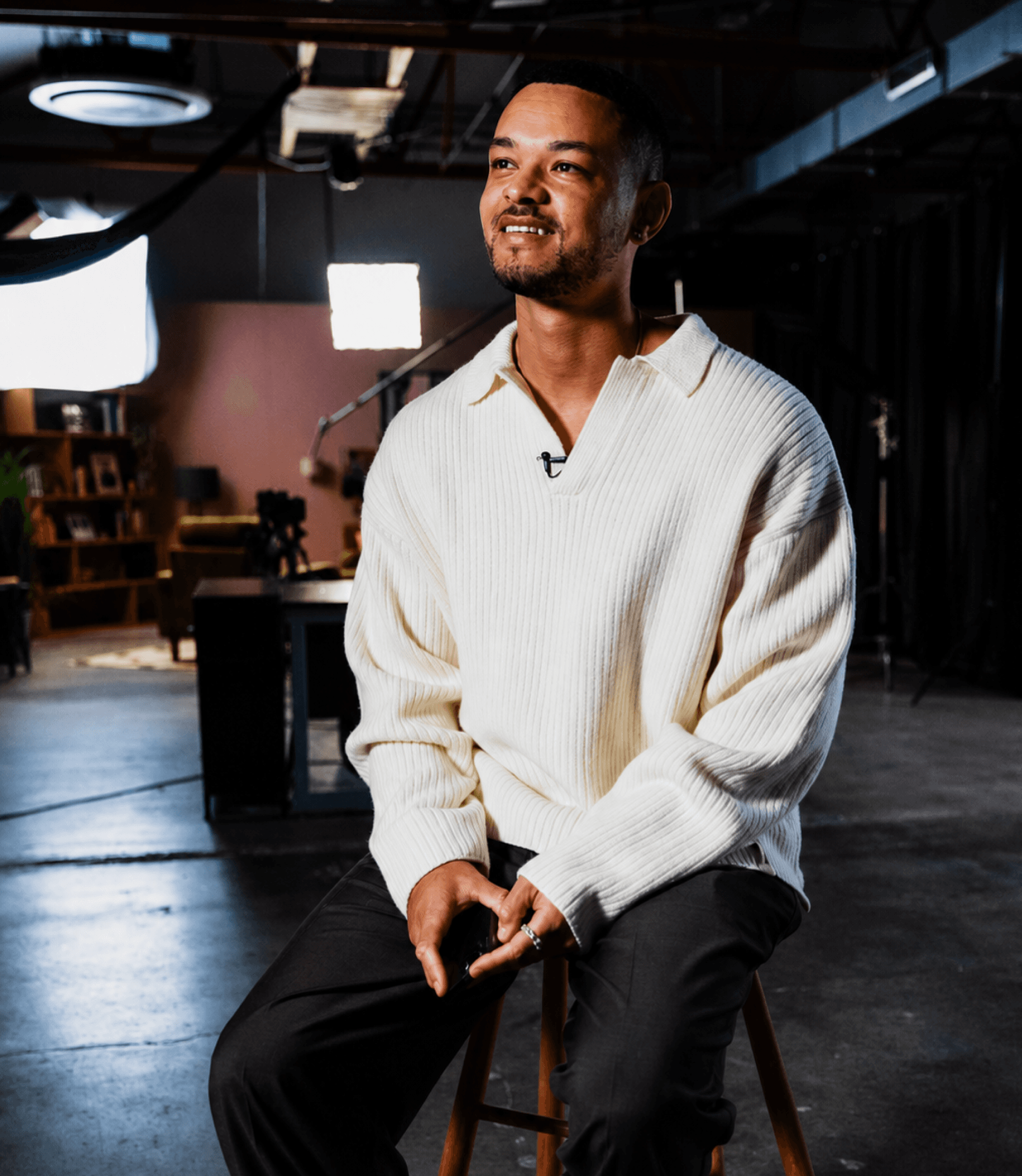
Steven Bartlett declined an $100 million offer to partner with an unnamed streaming platform. He instead chose equity over money, and his choice paid off tenfold.
In October 2025, Steven.com closed an 8-figure investment at a $425 million valuation. And Steven’s earlier discipline allowed him to retain 90% of the ownership. The decision to keep the podcast was never the final destination.
It’s living proof that not letting the institution dilute your creative freedom pays long-term dividends.

The model Bartlett built requires something most creators cannot access at the moment it matters most: the leverage to say no.
Declining $100 million is only possible if you do not need $100 million. Most creators take the deal because they have to, not because they want to.
The lesson from Bartlett's trajectory is not that you should always choose equity over money. It is that the entire game changes when you build to the point where you can.
Most people do not survive long enough to reach that moment.

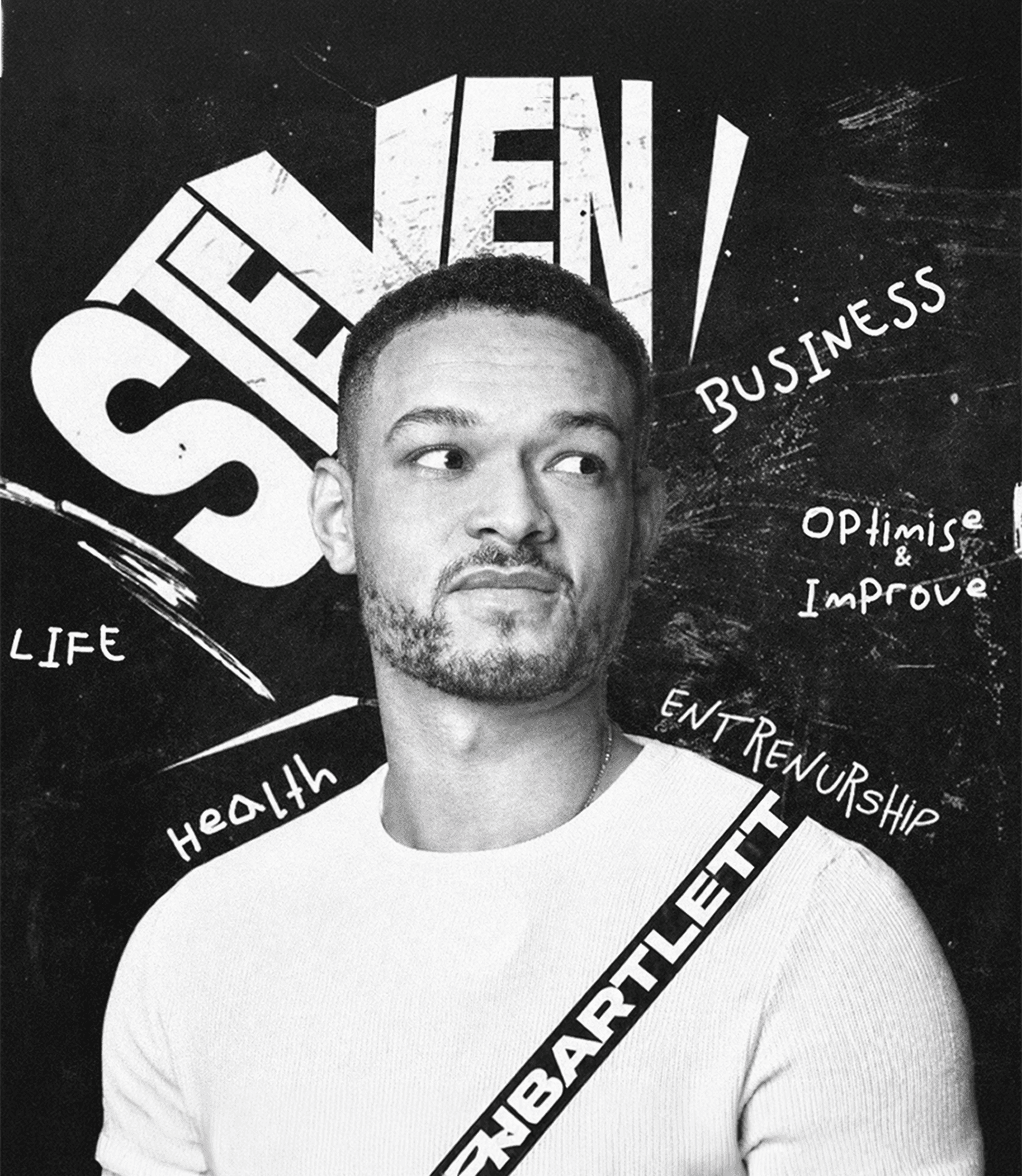

After the deal, Steven reinvested into Flightcast, a platform that automates podcast releases and tests clips before full distribution. The move marked a shift in his role.
He no longer just uses the tools. He builds the ones other creators pay to access.
Every decision has been the same choice repeated: keep the asset, build the infrastructure, wait for long-term returns.


Most creators live in a perpetual state of stagnancy trying to squeeze returns out of overused engagement streams.
Steven Bartlett cultivated an audience. Then forged his own empire.
Success isn’t always down the walkable paths.