He couldn’t afford a studio.
So he used New York instead.
Breakdown
/


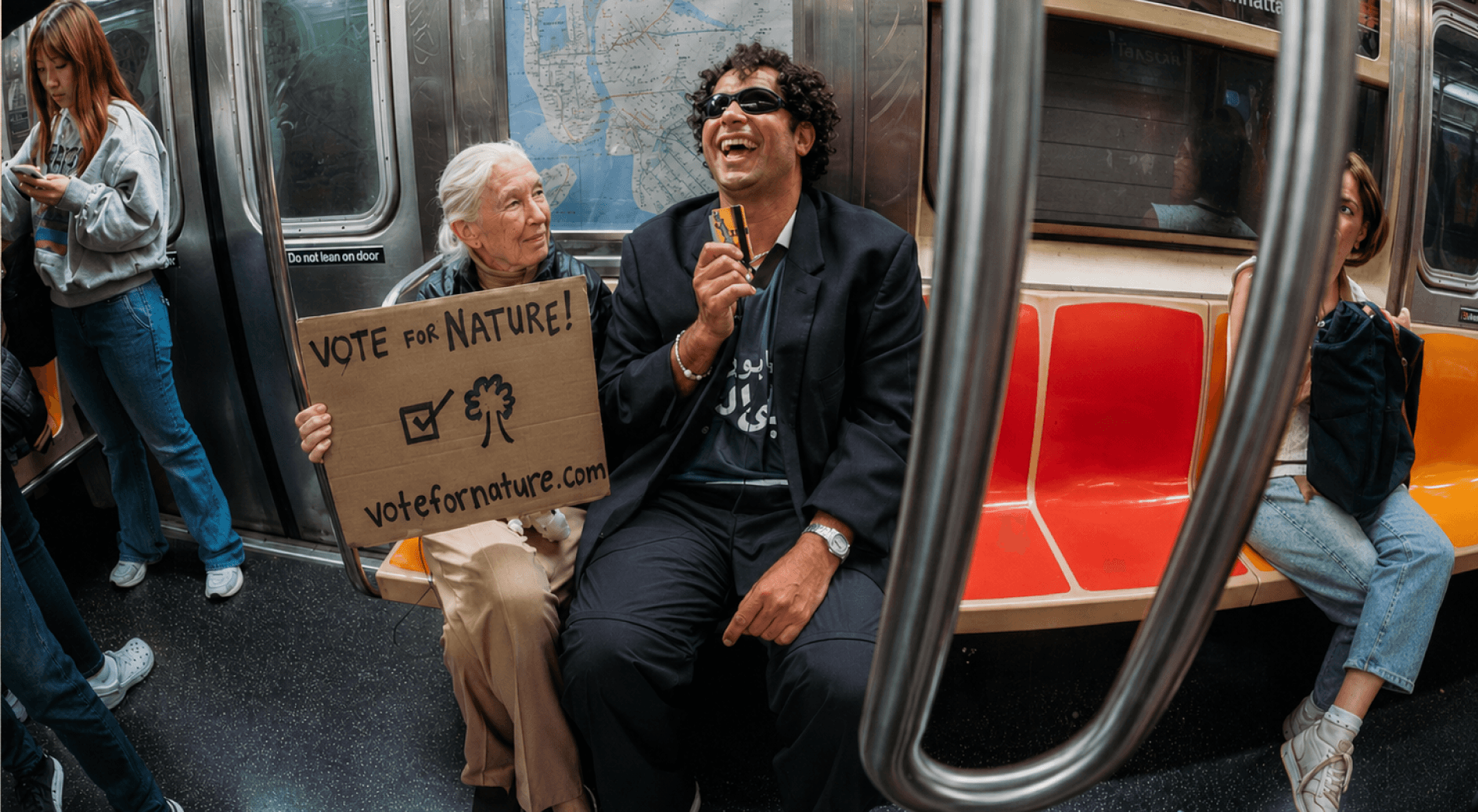
Kareem Rahma doesn’t cut a single scene. Awkward conversations. Angry rejections. Everything stays. That type of transparency breeds connection.
He left a strategy leadership position at the New York Times to build it. The Times had the reach, the credibility, and the infrastructure. What it didn't have was the ability to put a microphone on a MetroCard and let New York speak for itself.
Kareem saw the gap between what institutional media could produce and what the internet actually wanted, and walked toward it.
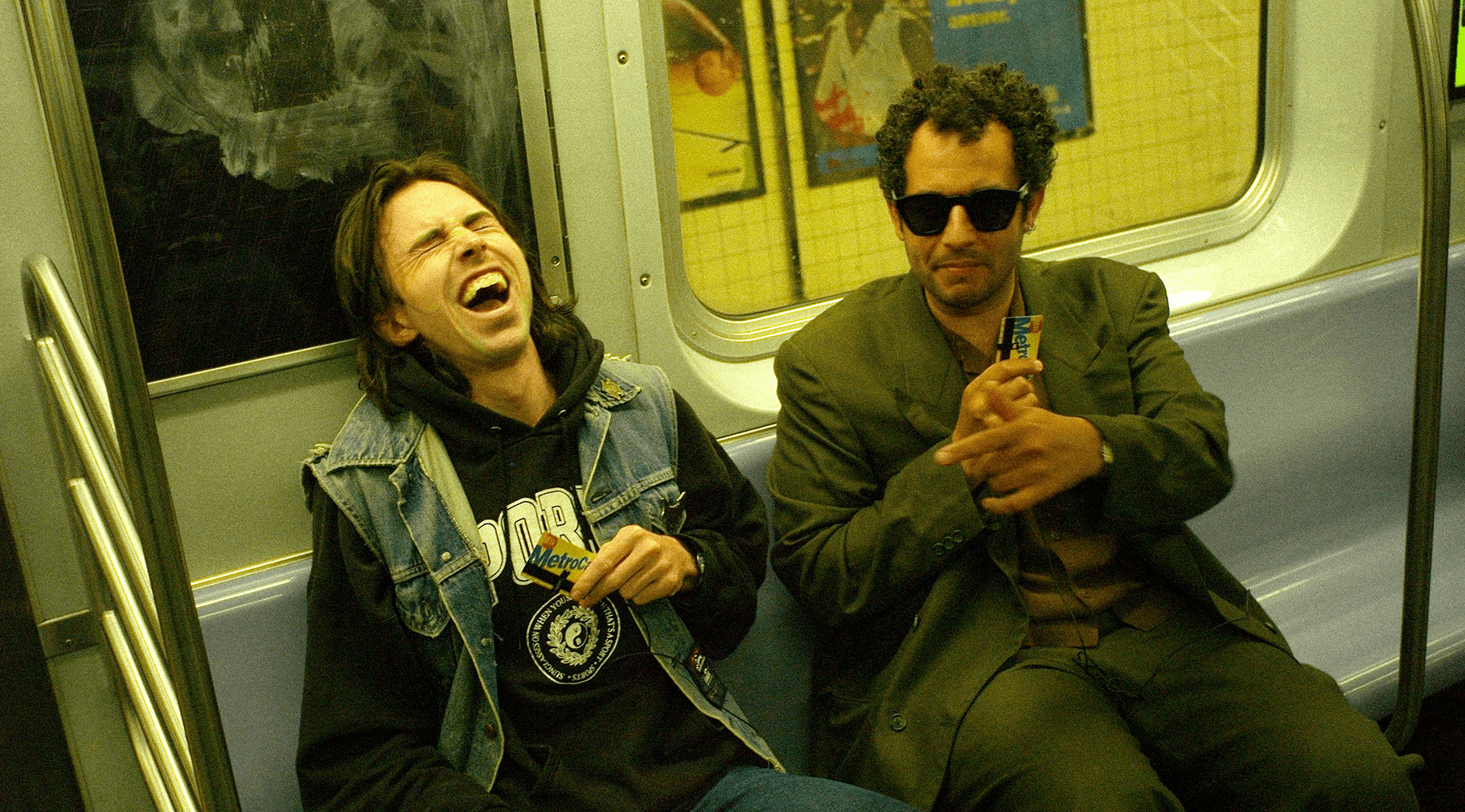
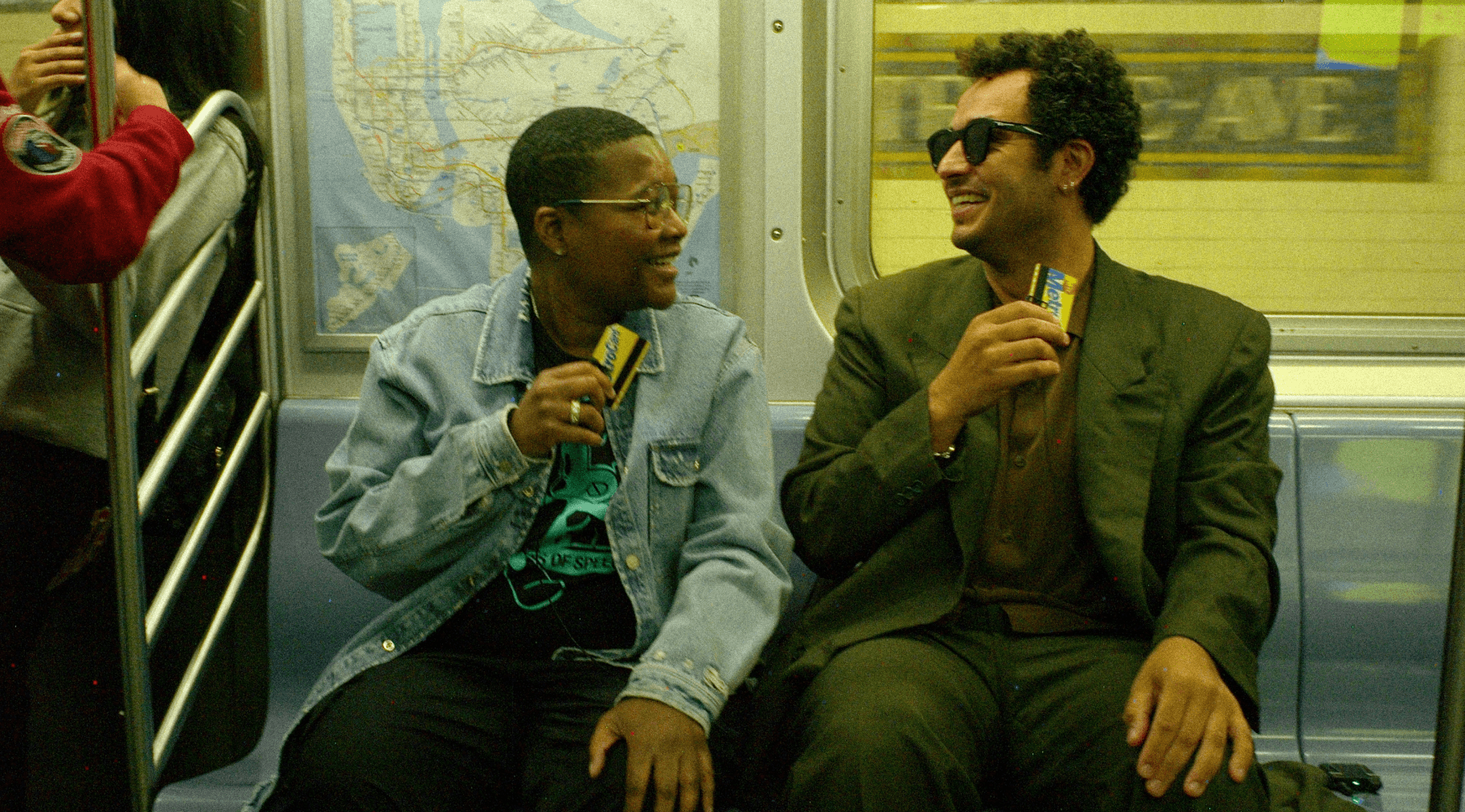
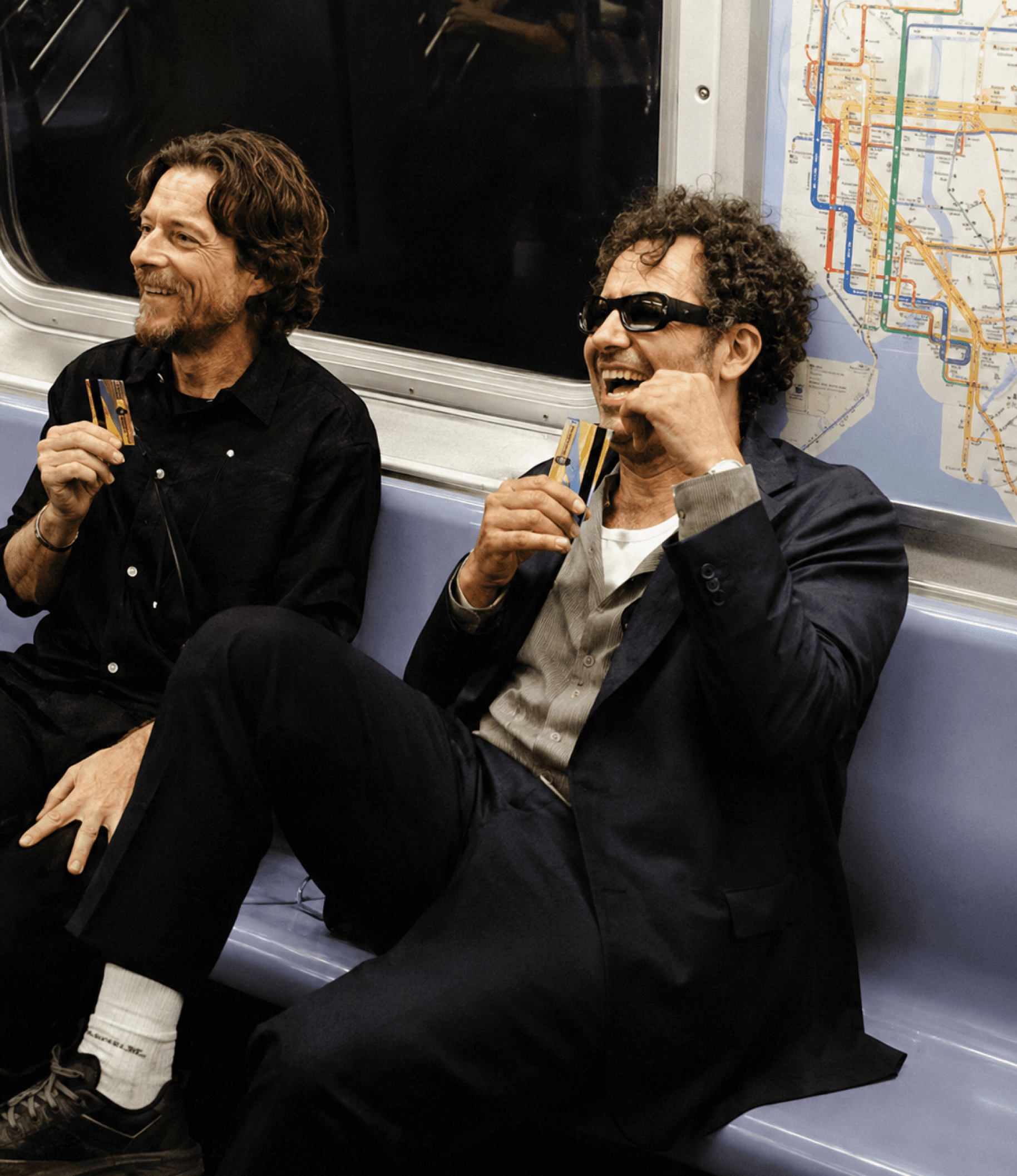
Kareem and co-founder Andrew Kuo’s original plan was to build a premium long-form podcast. It failed.
Yet, the vision wasn’t scrapped, the execution simply changed. Instead, Kareem would simply sit in subways and ask people the simple question, “What’s your take?”
The lighting could be off. The conversation could be stale. But that didn’t matter.
Kareem indirectly created an advantage once thought unachievable in today’s social media scene. The production quality didn’t validate the product. The people did.
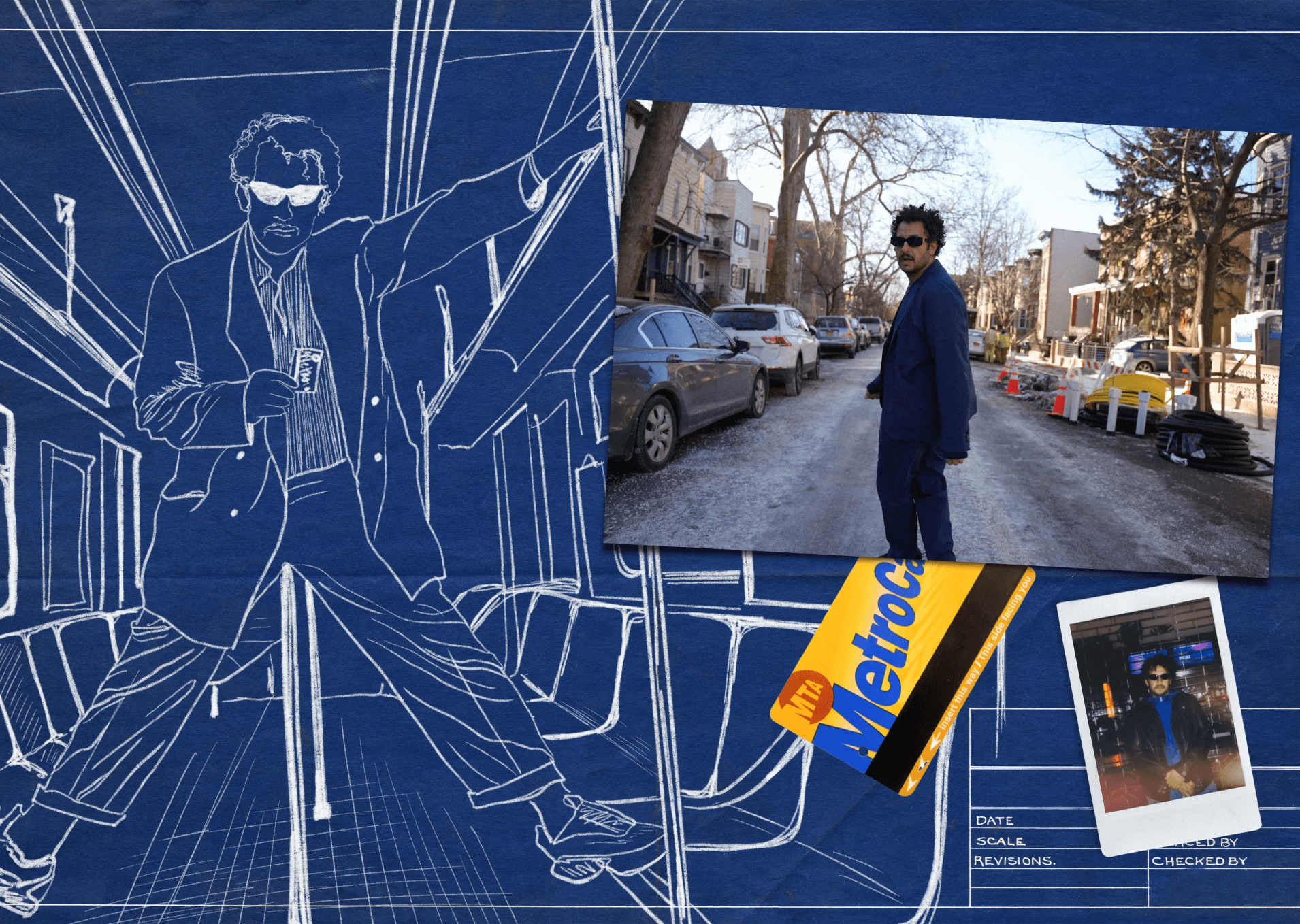
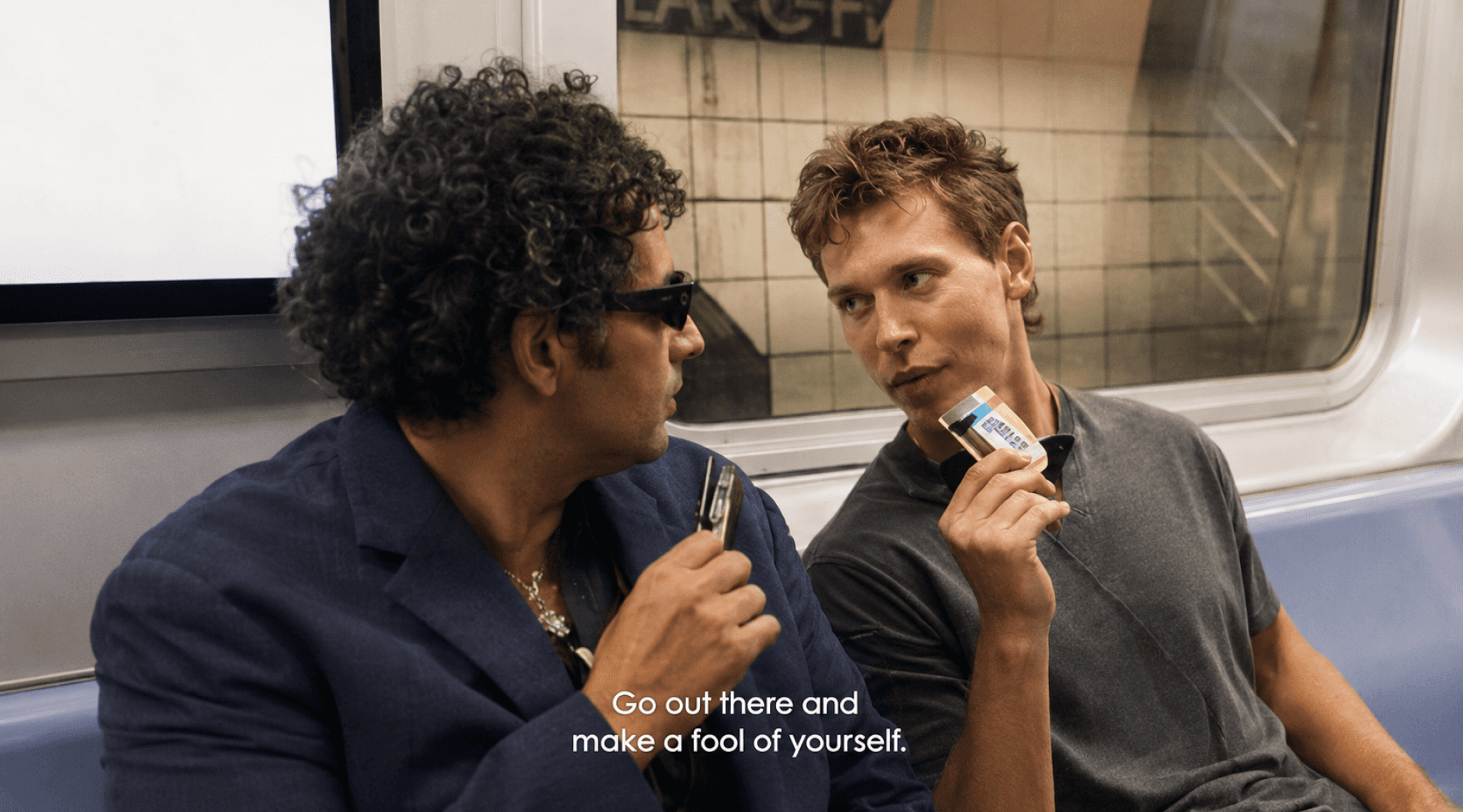
The topics are deliberately trivial. What strangers should wear. Whether ghosts exist. Questions nobody would stop to answer on the street.
Kareem makes them matter by refusing to be neutral. He has a position on everything and states it before the conversation begins. Suddenly there's something at stake. The guest either agrees, pushes back, or says something nobody expected. A throwaway opinion becomes a genuine exchange.
That's not an accident of the format. That is the format.
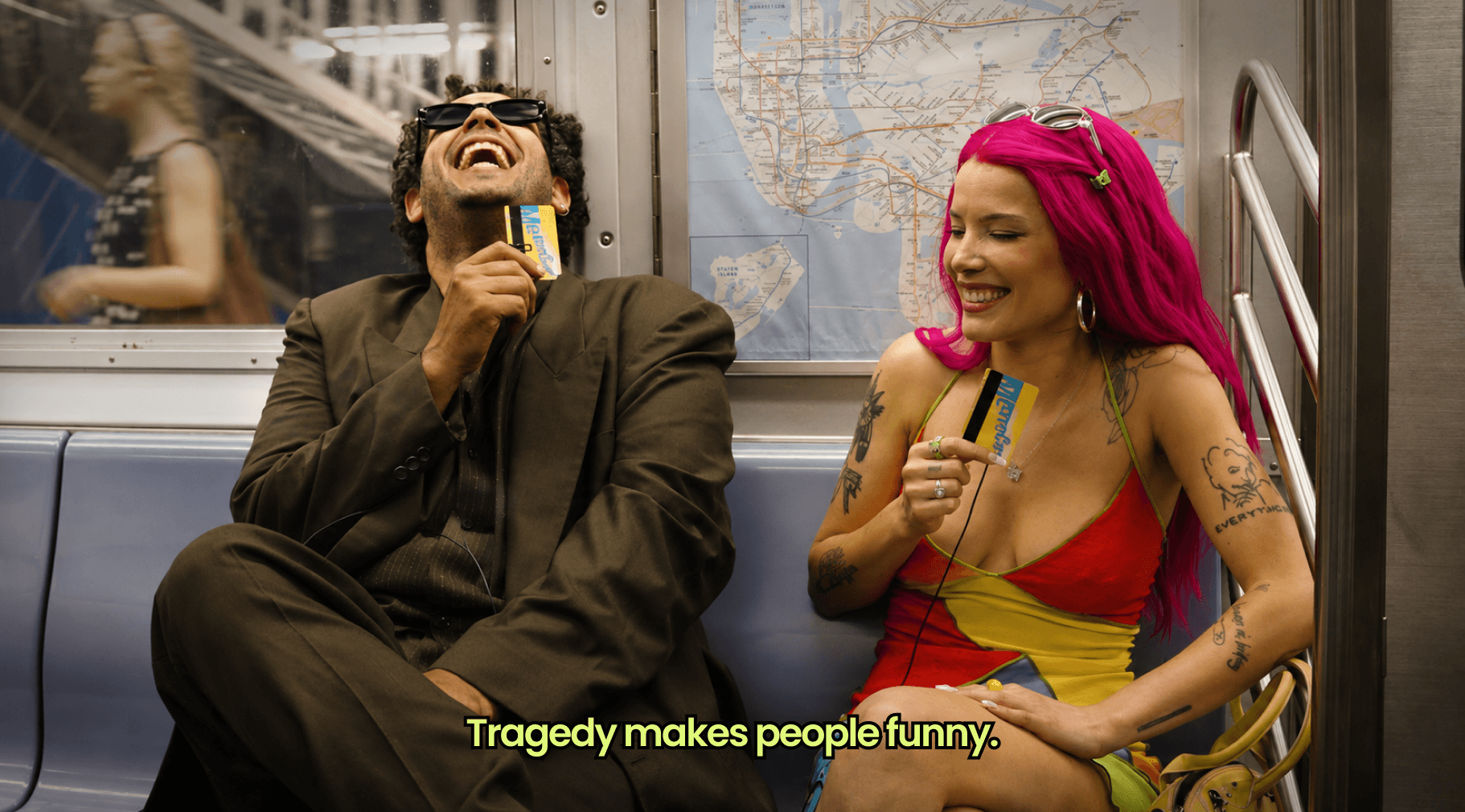
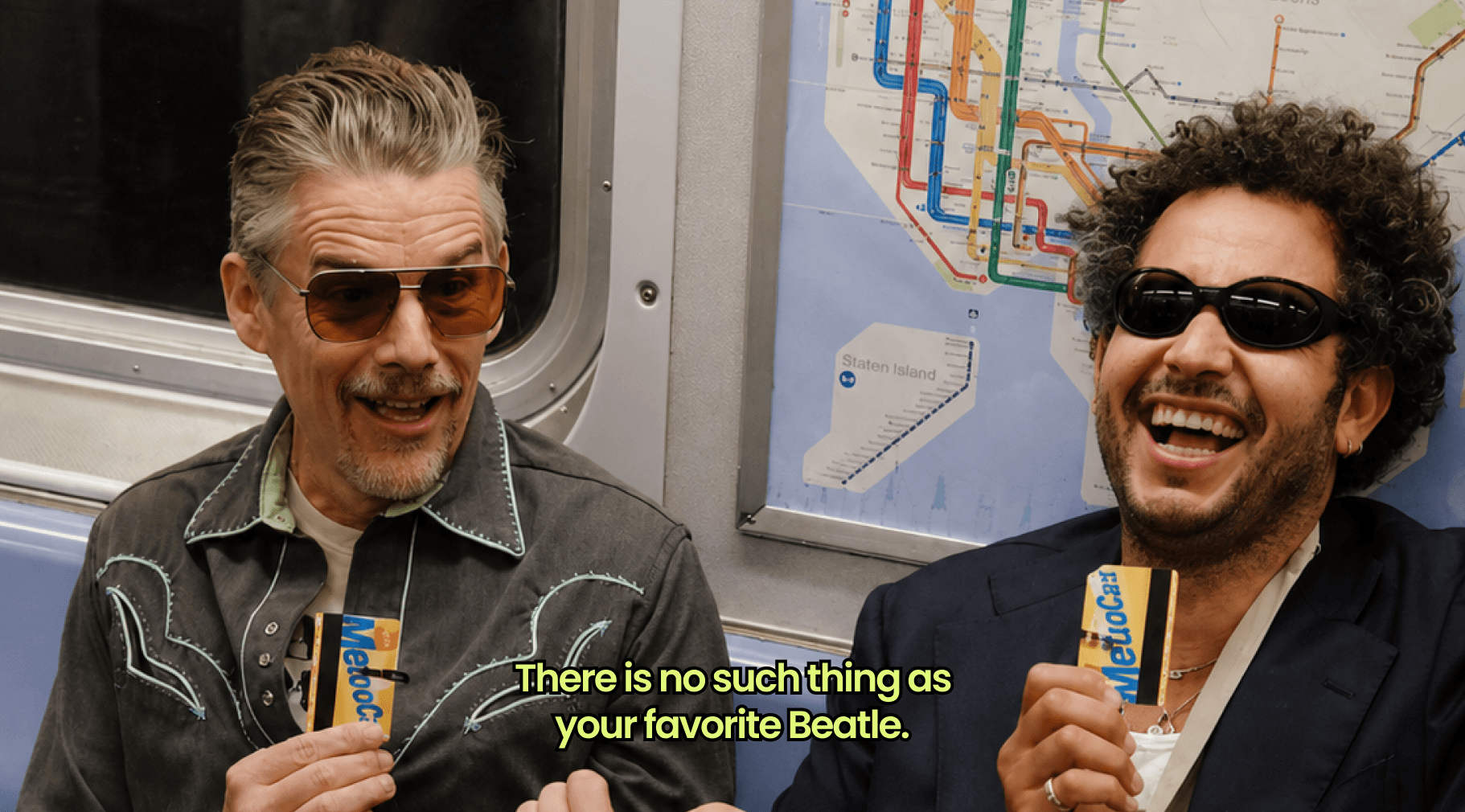
Some episodes feature Cate Blanchett. Some feature a stranger who missed their stop. The format treats both identically - one question, one take, no deference.
That's rarer than it sounds. Most interview formats are built around the hierarchy of the guest. Subway Takes dissolves it. The celebrity might offer something completely ordinary. The commuter might say something that would never survive an editorial filter.
The audience never knows which way it will go, and neither does Kareem. That unpredictability makes the show.
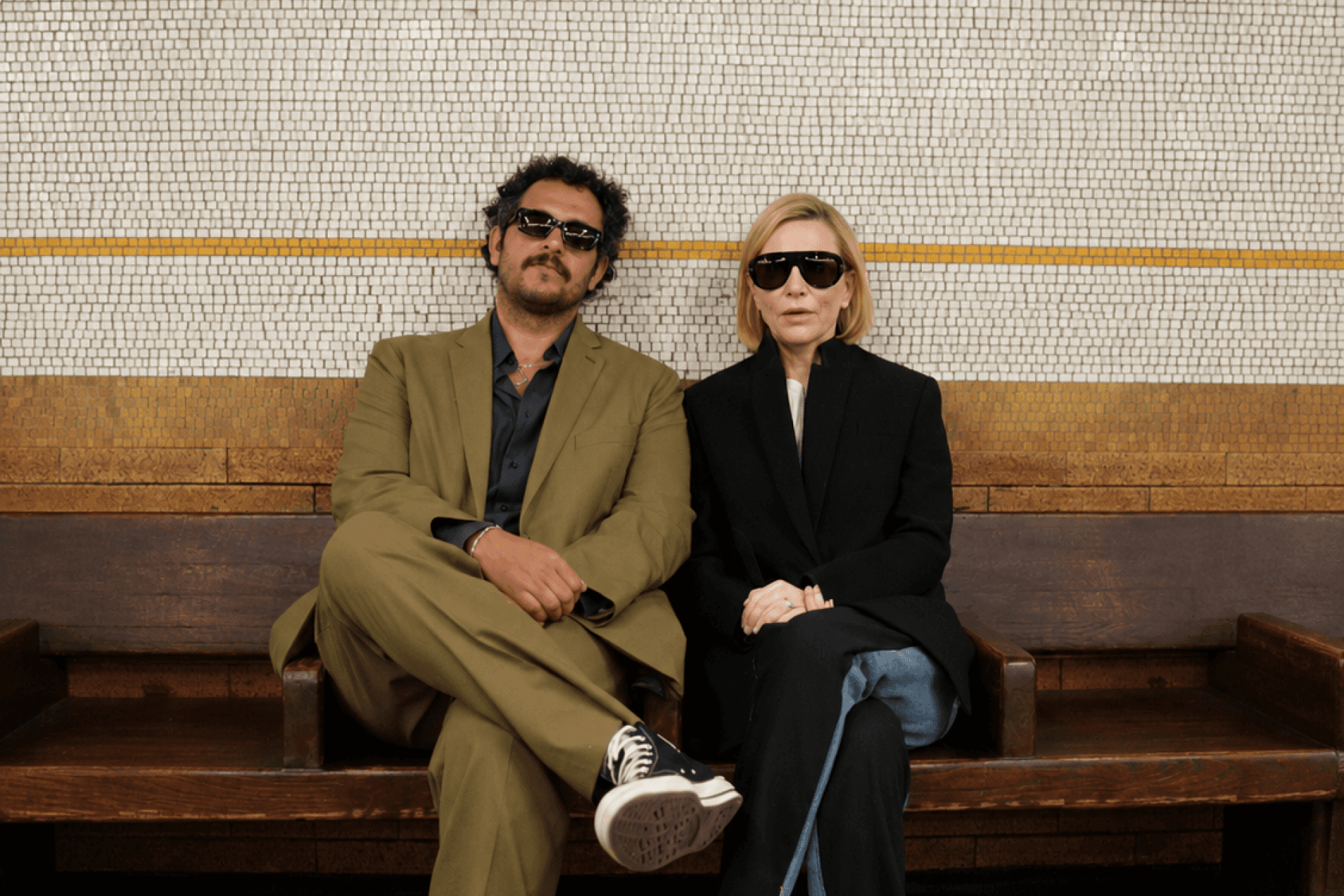
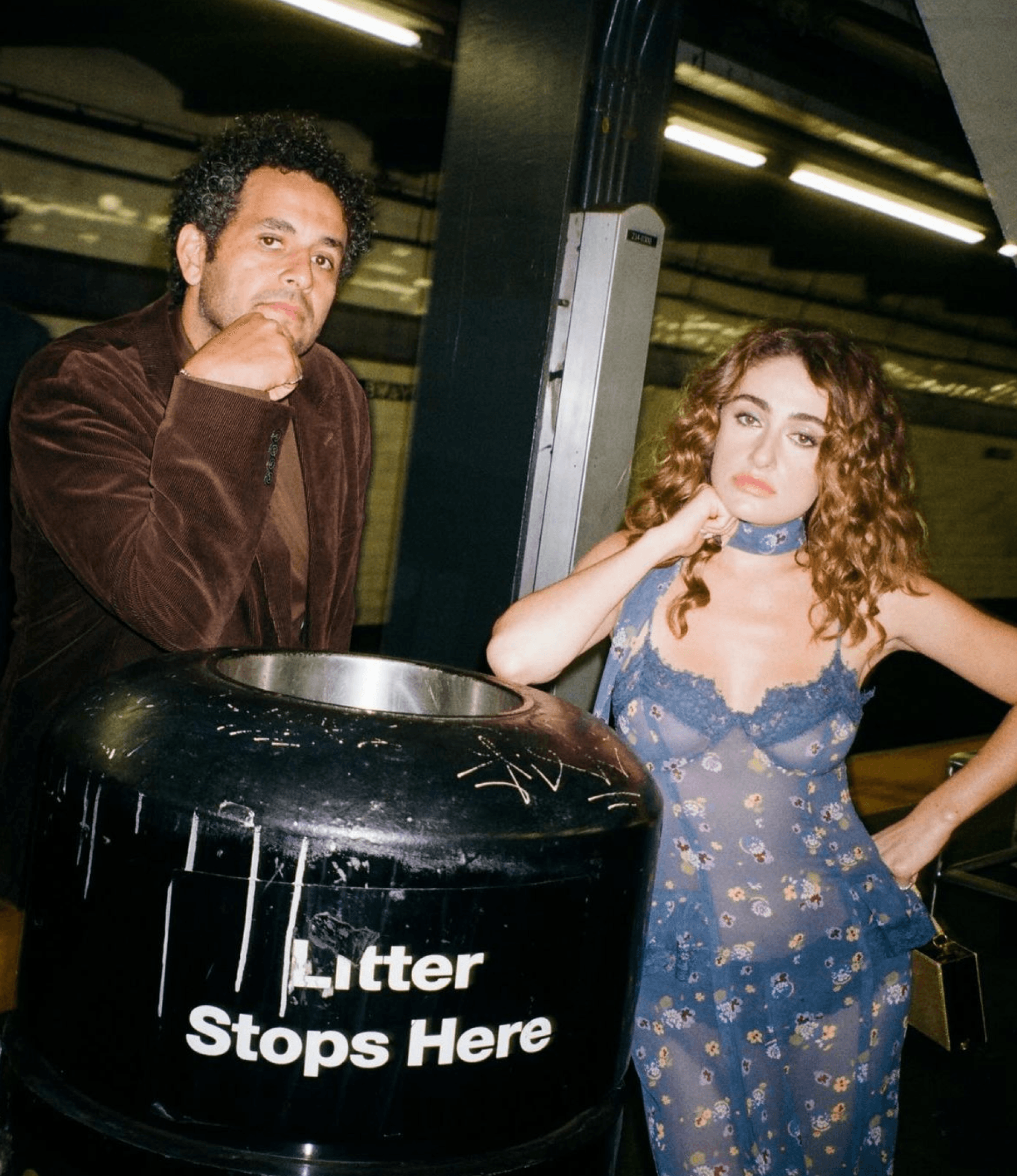
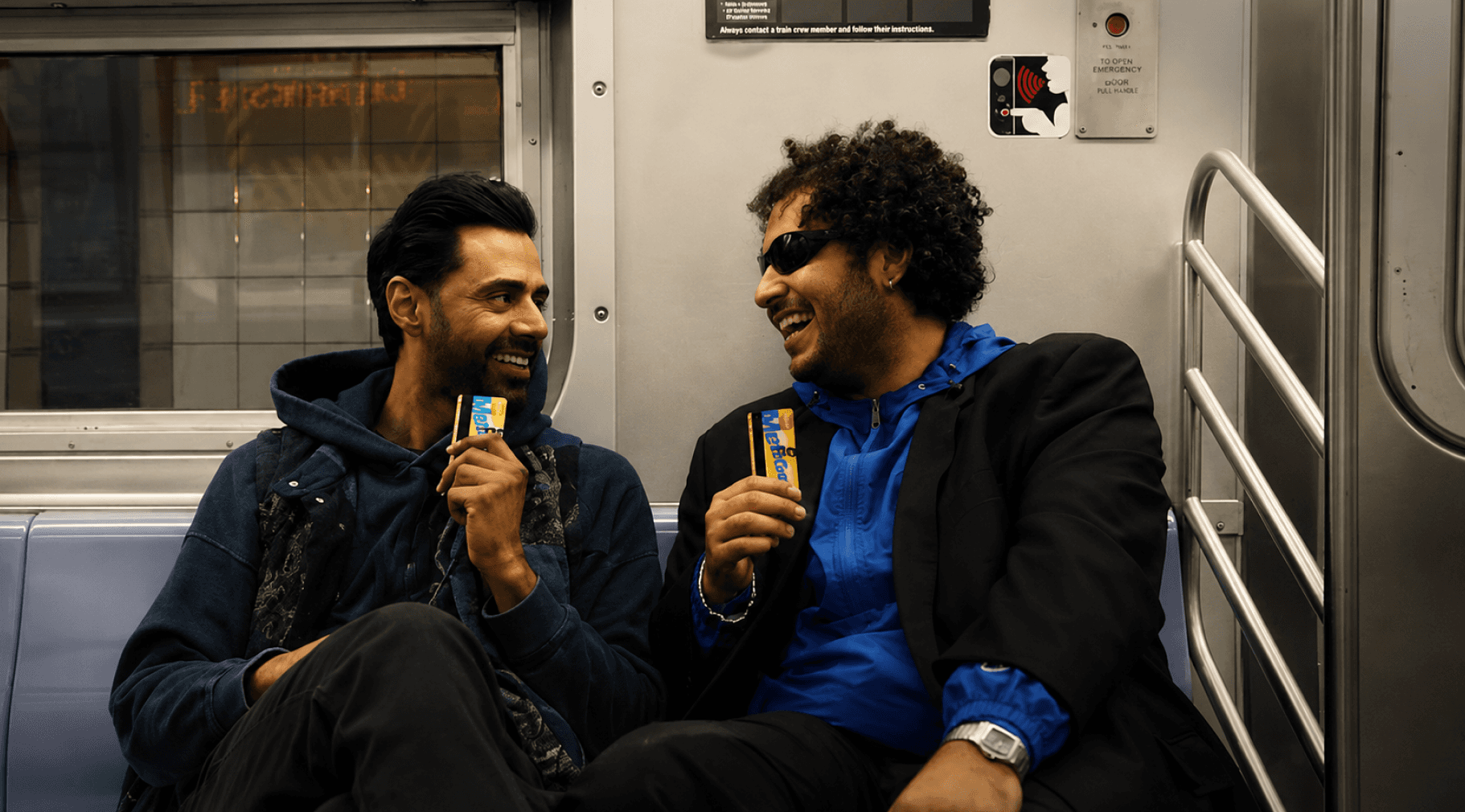

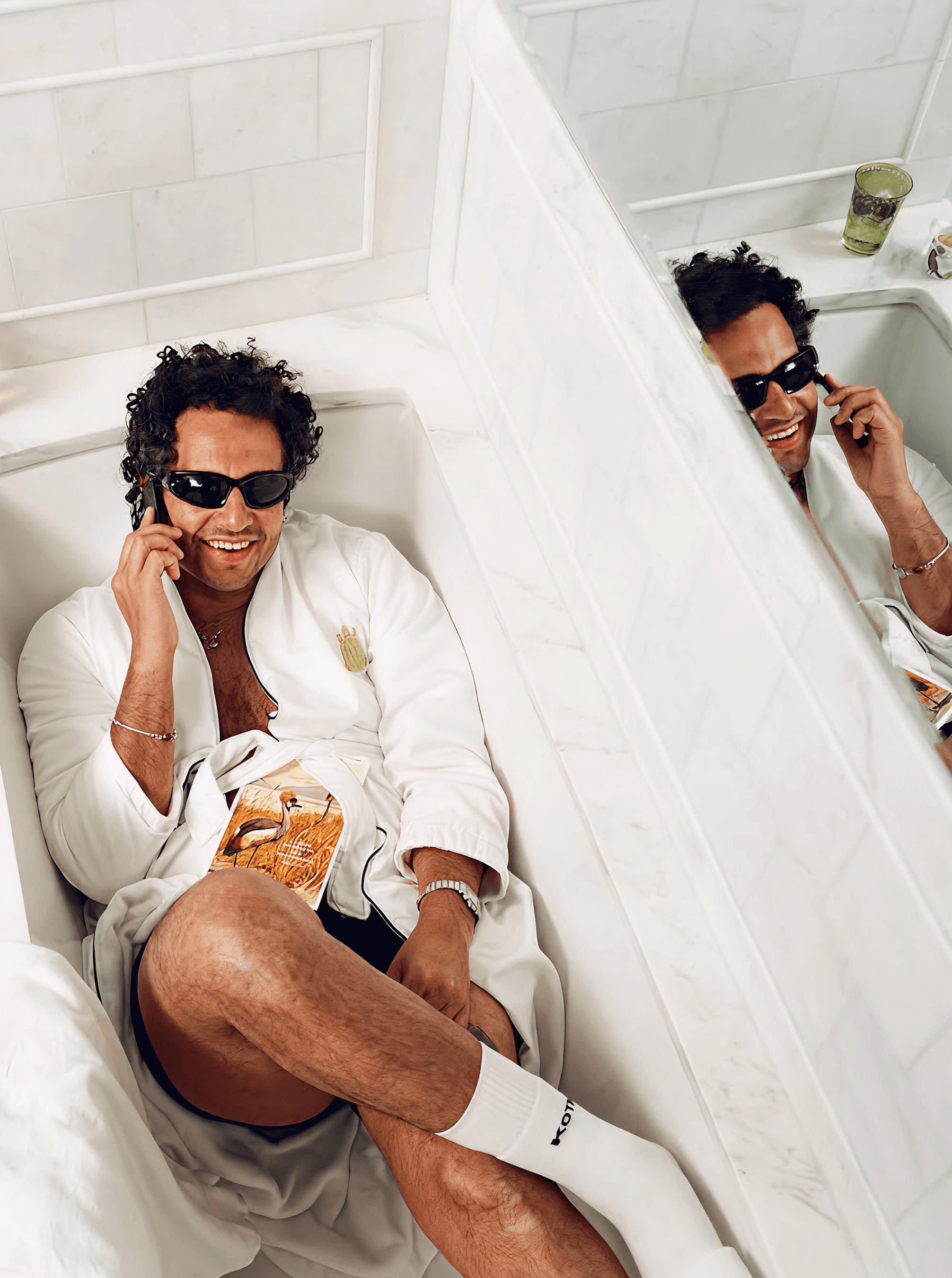
Brand deals don’t clutter the image. They assimilate into it.
Kareem’s brand deal videos reach similar retention metrics to his regular ones. That’s unheard of in the creator space. Partnerships aren’t considered separate from the content. They’re integrated into the framework. The company gets a promotional take. The viewer gets their same authentic viewing experience.
These two realities almost never overlap. Yet Kareem found their intersection. And thrived in it.
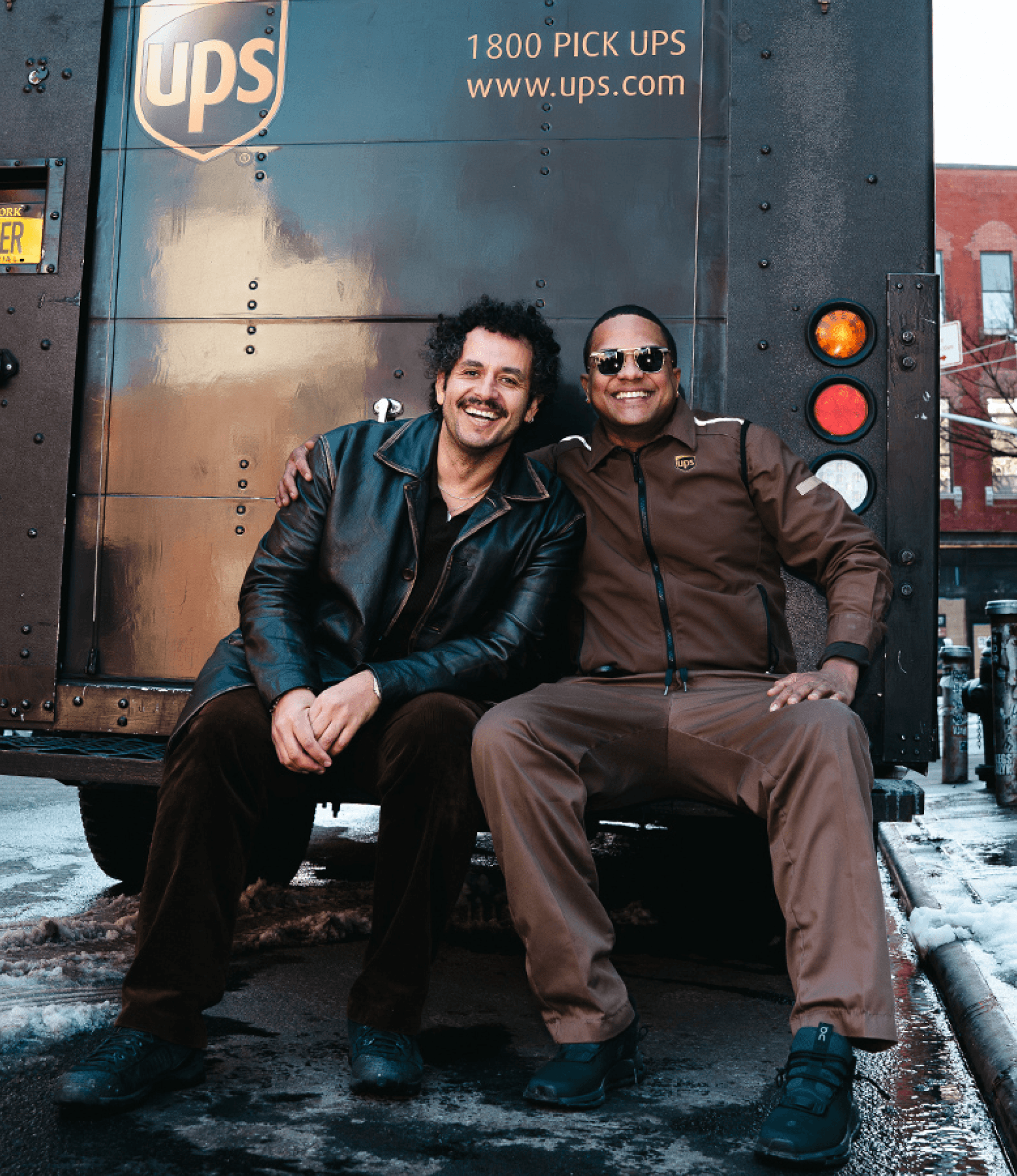
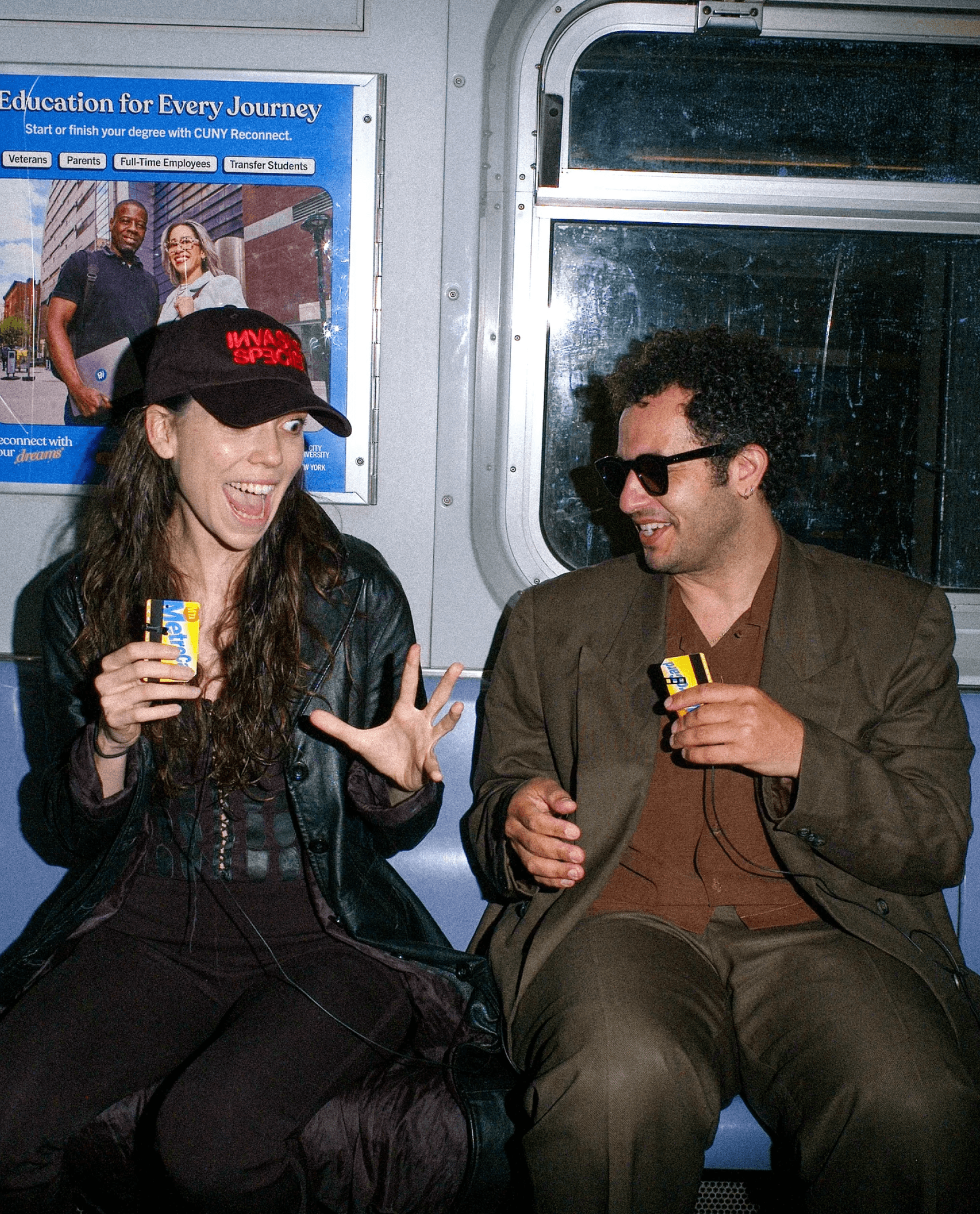

New York was always the co-creator.
Kareem just had the sense to point a camera at it.
The most interesting stories were never in a studio. They were sitting right next to you.