Furniture Brand West Elm Handed Emma Chamberlain its Keys
Legacy companies are licensing creator taste.
Breakout
/

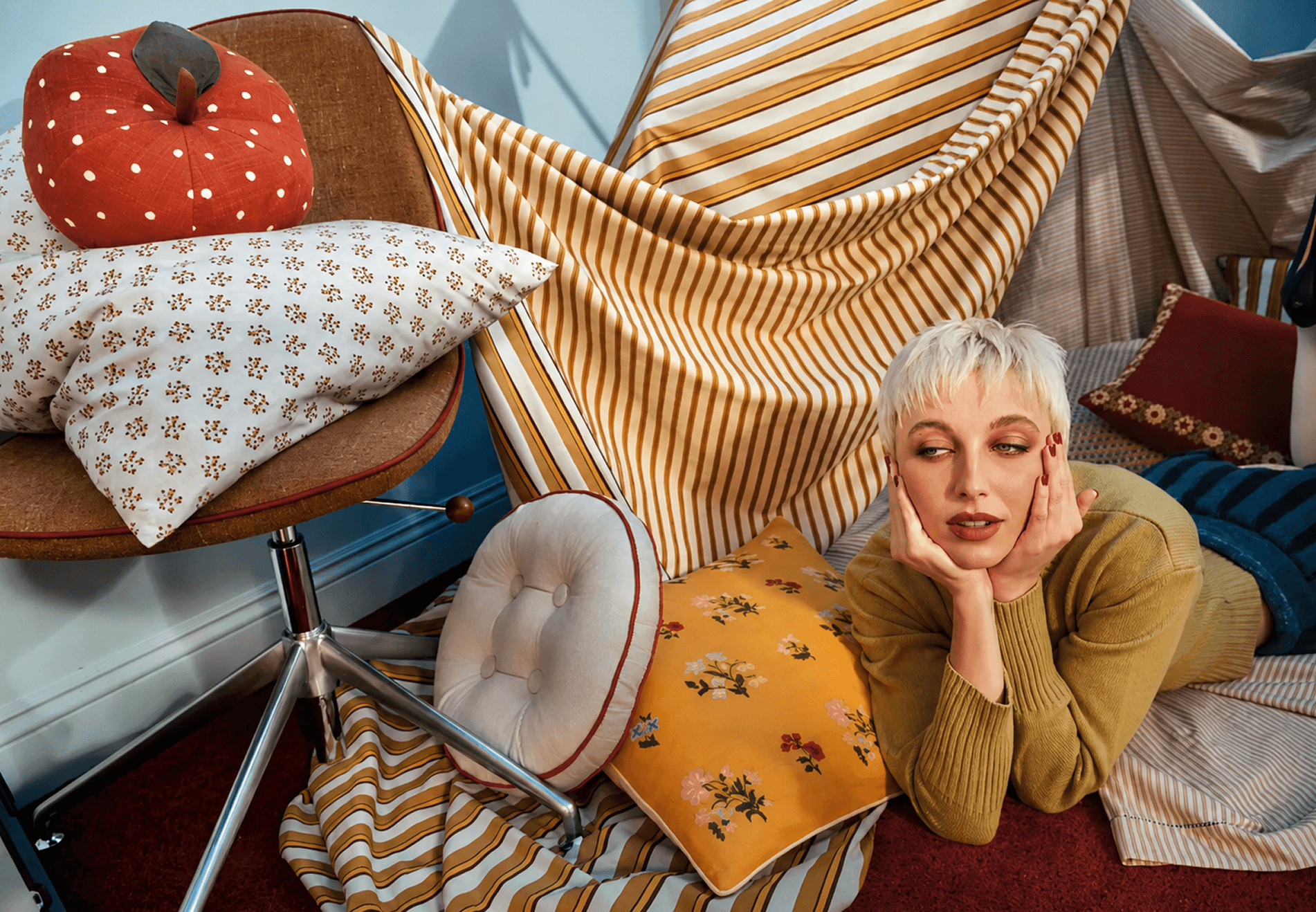
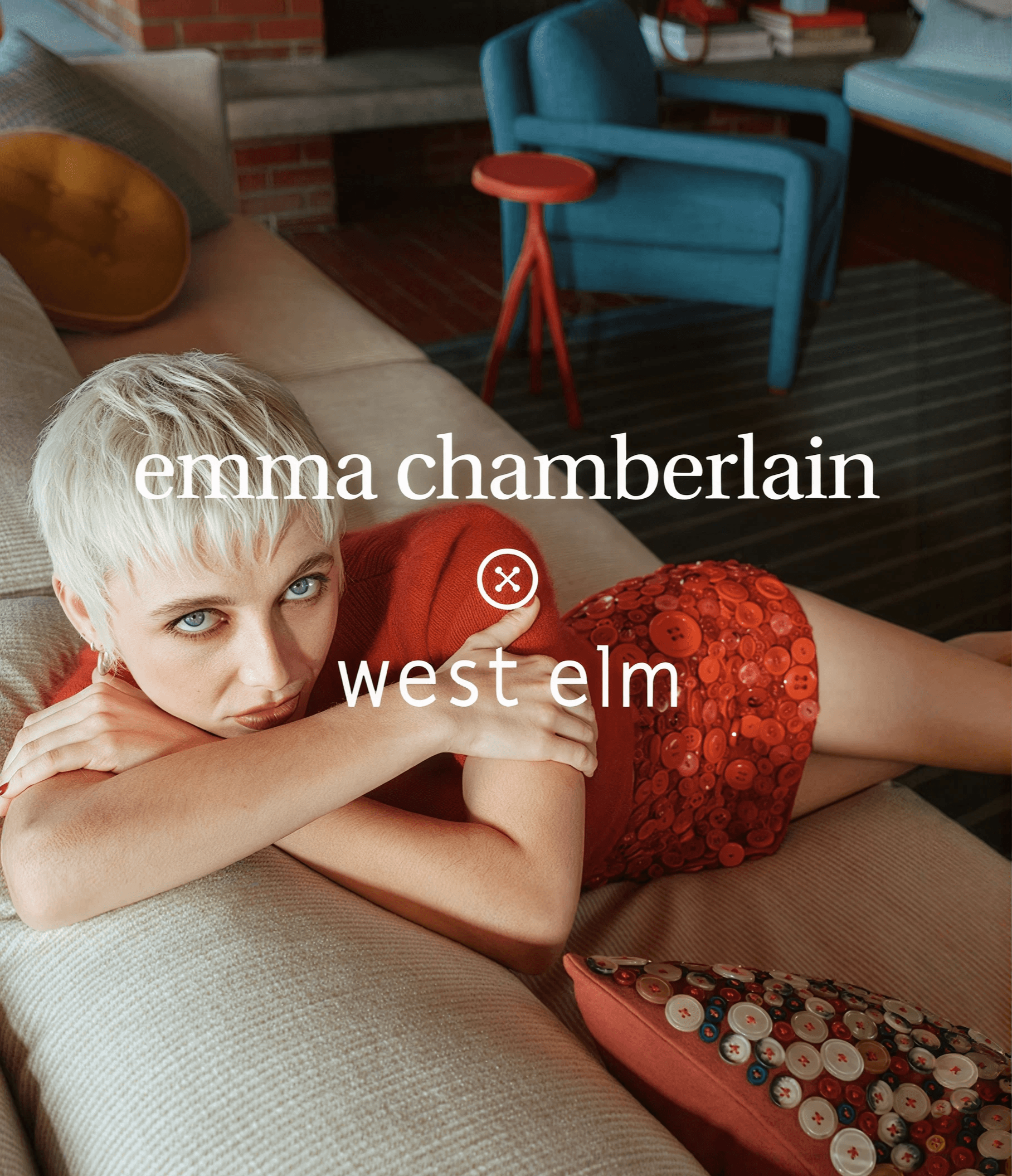
This year, legacy furniture company West Elm launched a major collaboration with content creator Emma Chamberlain.
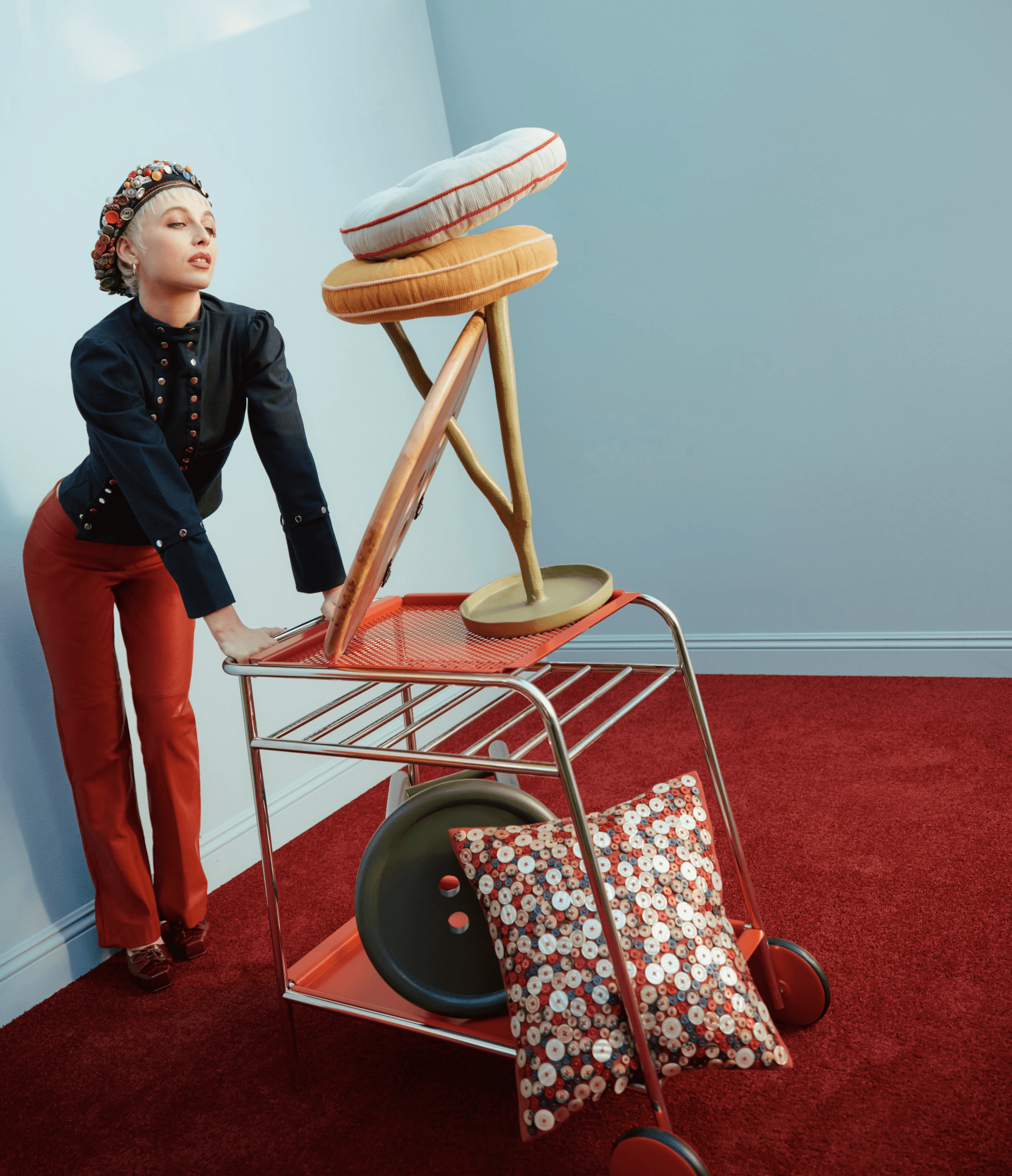
Together, they released a 130-piece home collection spanning furniture, lighting, textiles, and decor. Chamberlain herself designed the collection around meaningful symbols and motifs in her personal life.
This makes her so much more than an advertiser. West Elm gave her that creative license hoping to appeal to the next generation of homeowners.
With support from one of the world’s most reputable decor companies, Emma Chamberlain is actively redesigning what furniture means.

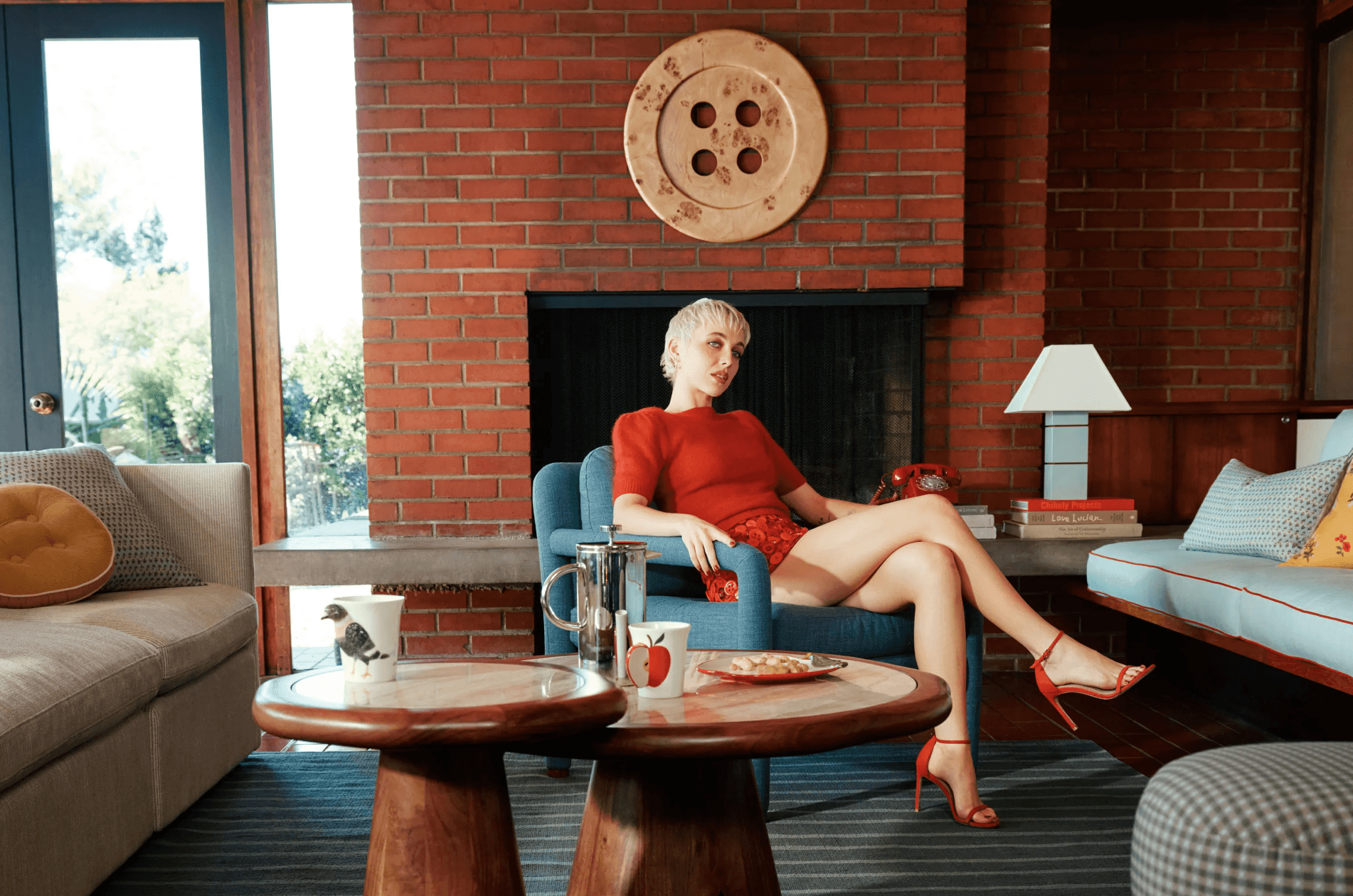
Chamberlain says, “my approach to home decorating is inherently eclectic – I choose what feels right to me, mixing styles and eras.”
That Chamberlain aesthetic, by itself, has resonated with an entire generation of viewers.
Emma’s content, fashion presence, and coffee company have together cultivated a visual language that her audience has fallen in love with.
West Elm gets access to that cultural relevance when marketing to an age-range that’s setting up their first homes. And Chamberlain gets to materialize her identity at scale.
The co-authorship separates this collaboration from most commercial partnerships.

The biggest creator misconception about brand deals is that reach is a company’s key determinator.
Enterprises don’t need clicks.
They need representatives with authentic perspectives.
The truth is that any large company like West Elm can buy an audience. They chose Emma Chamberlain for her distinct point of view; that inimitable aesthetic no company can manufacture on its own.
It’s because engagement is rentable and common. A direct sensibility that an entire generation trusts: that’s what’s coveted.