Creators are being Invited to Speak at Harvard.
What was once a skeptical career is now an integral part of the college lecture.
Breakout
/
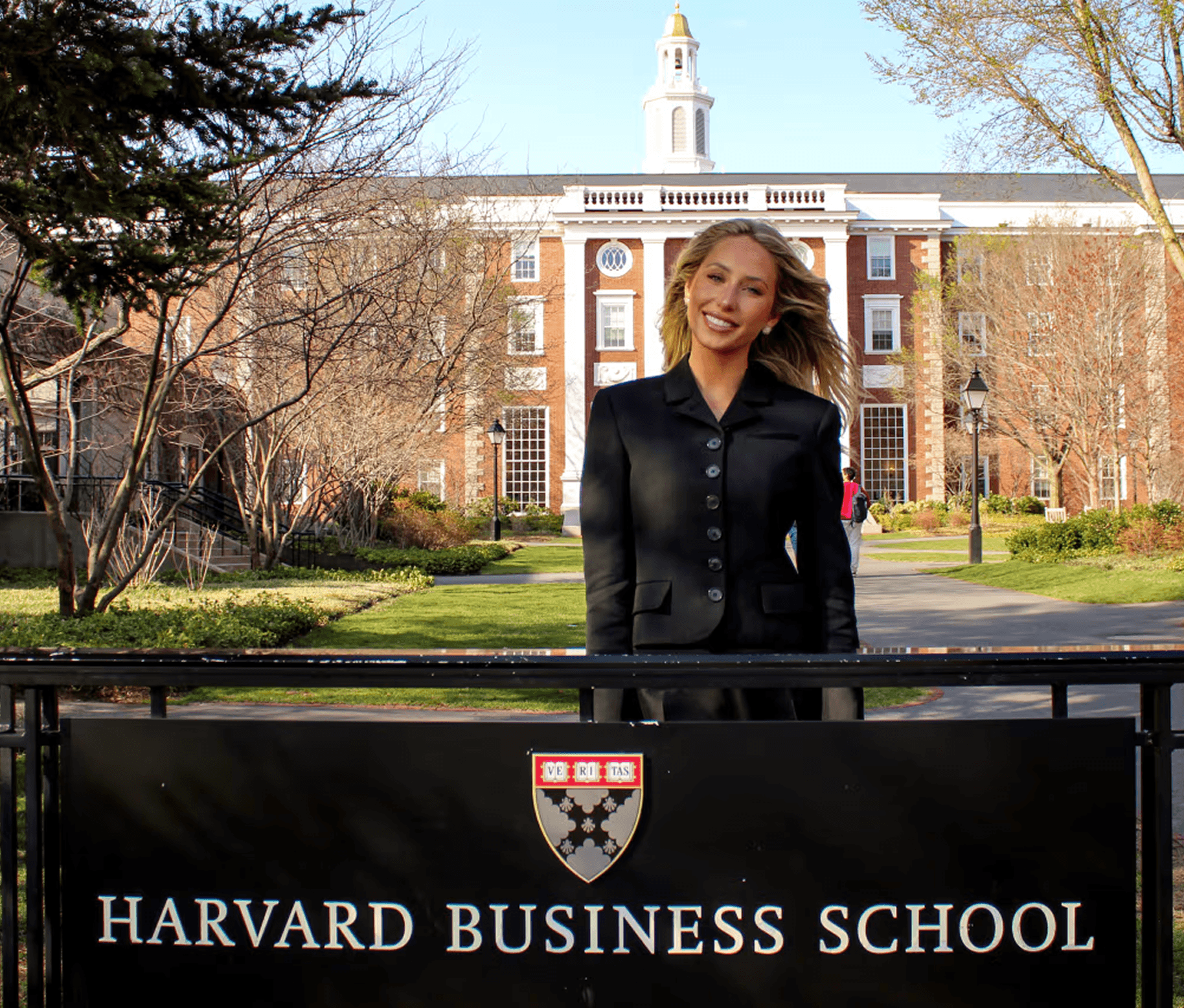
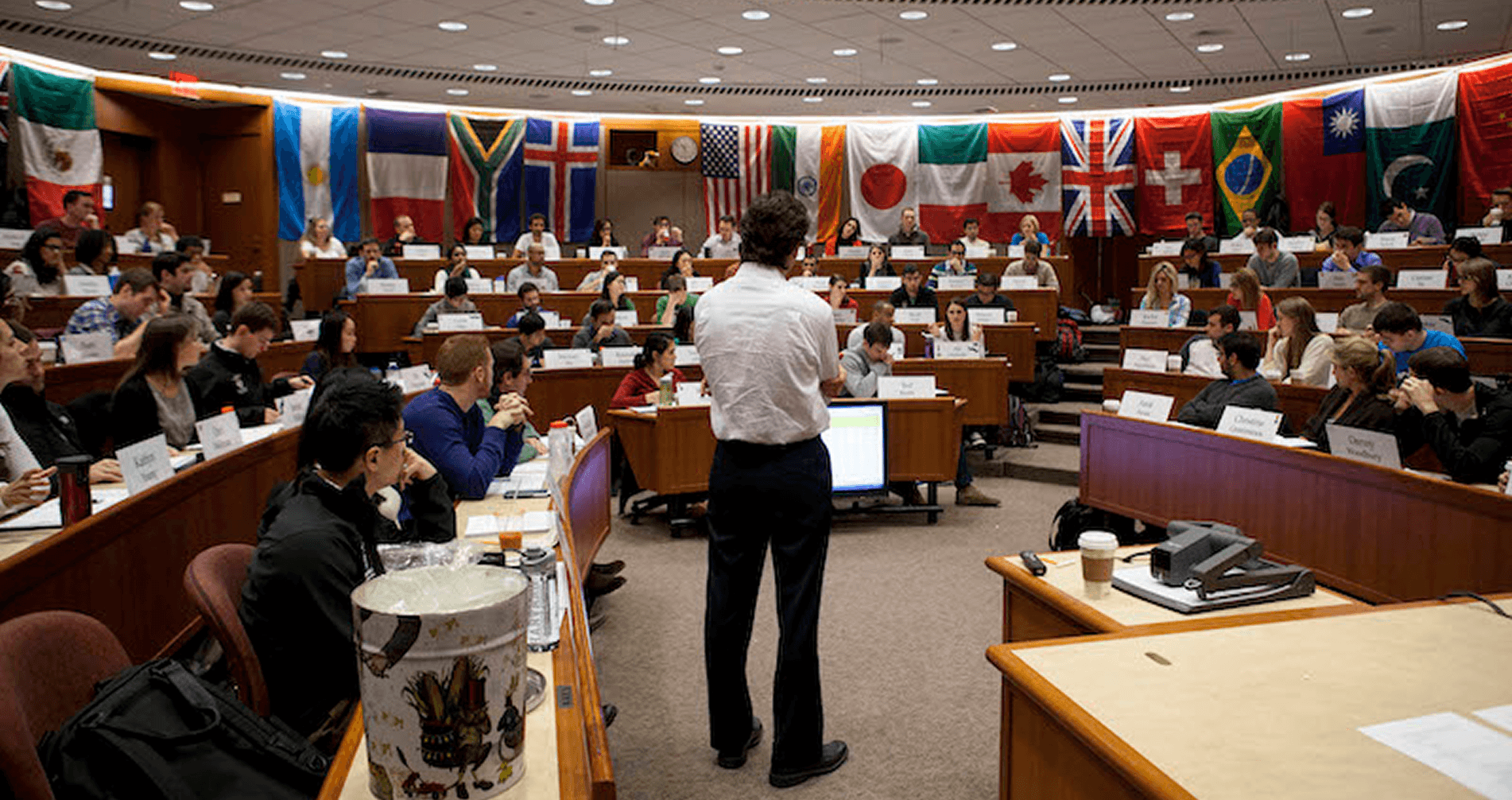
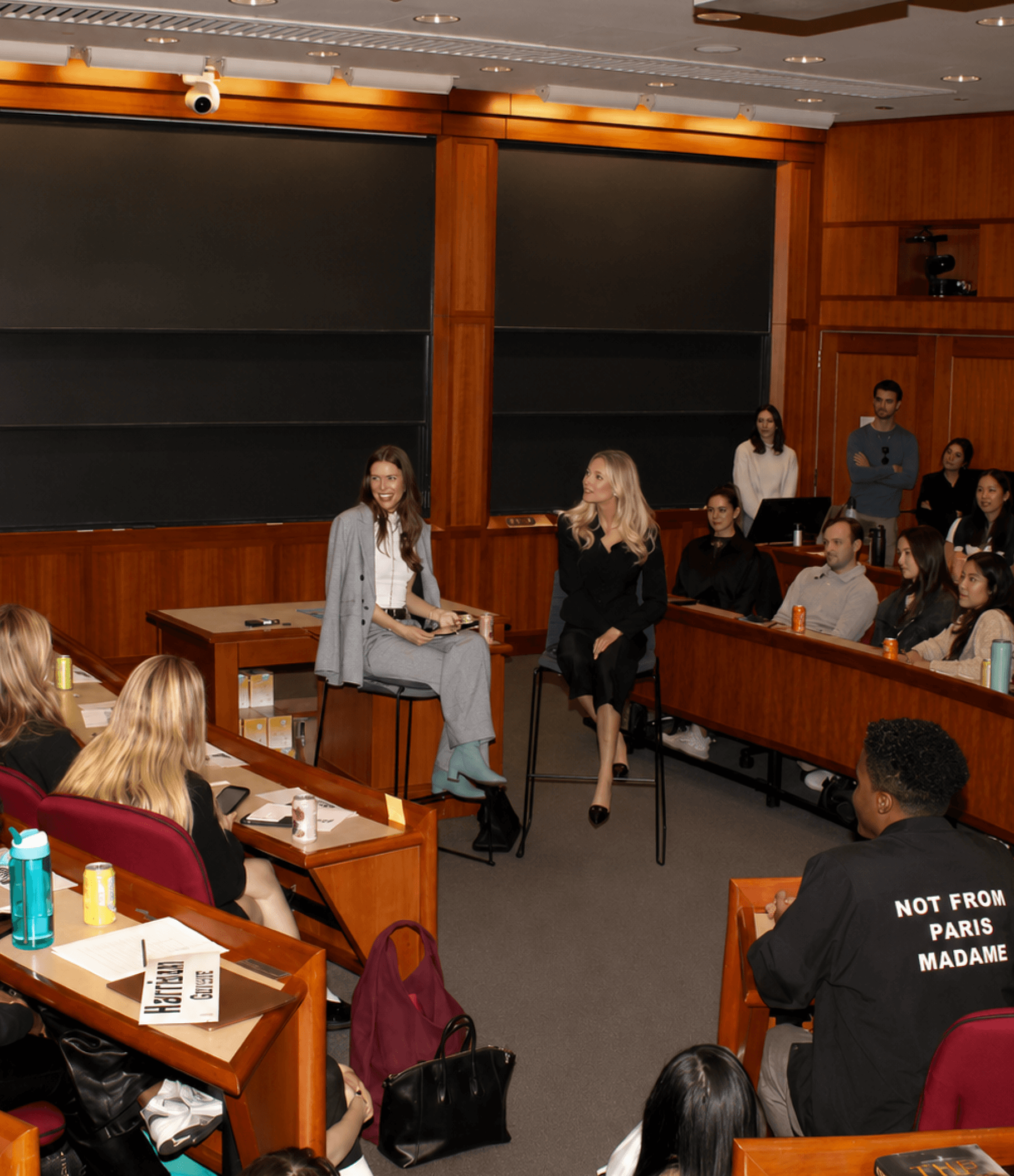
Alix Earle has spoken at Harvard Business School twice in the past year. The second visit was structured as a live case study, with 180 students debating what she should do next with her brand. Two weeks later she launched Reale Actives. Senior lecturer Reza Satchu is now writing a formal HBS case study about her founder journey.
She is not alone. Matilda Djerf, MrBeast, Karlie Kloss, Bethenny Frankel, and Pia Mance have each appeared on campus. And increasingly, a newer generation of operator-creators are being invited alongside them, founders whose careers began online and whose businesses have grown complex enough to be worth studying in a classroom.
What was once a question of whether creators belonged in these rooms has become a question of which creators get invited.
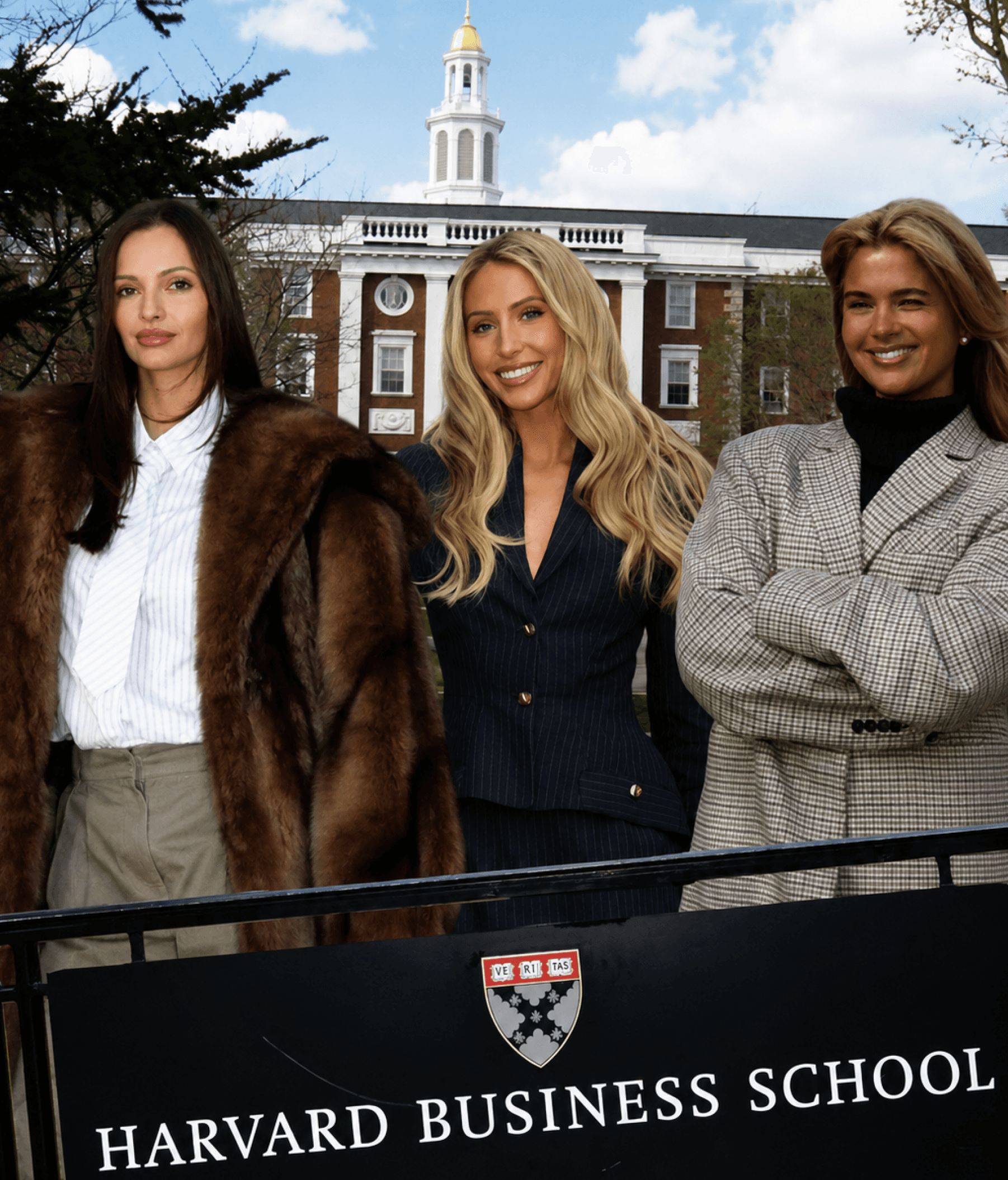
Traditional businesses spend most of their money trying to acquire what creators already have: attention, community, and cultural trust. MBA students are going to Harvard to hear from people who have built something that business school cannot teach them to build.
Prof. Satchu put it directly: "This is the new way in which people market, and our students need to understand and learn that."
The traditional institutions are catching up. The creators being invited are not being platformed as a novelty.
They are being studied as the future of how brands build trust, reach audiences, and drive consumer behaviour.
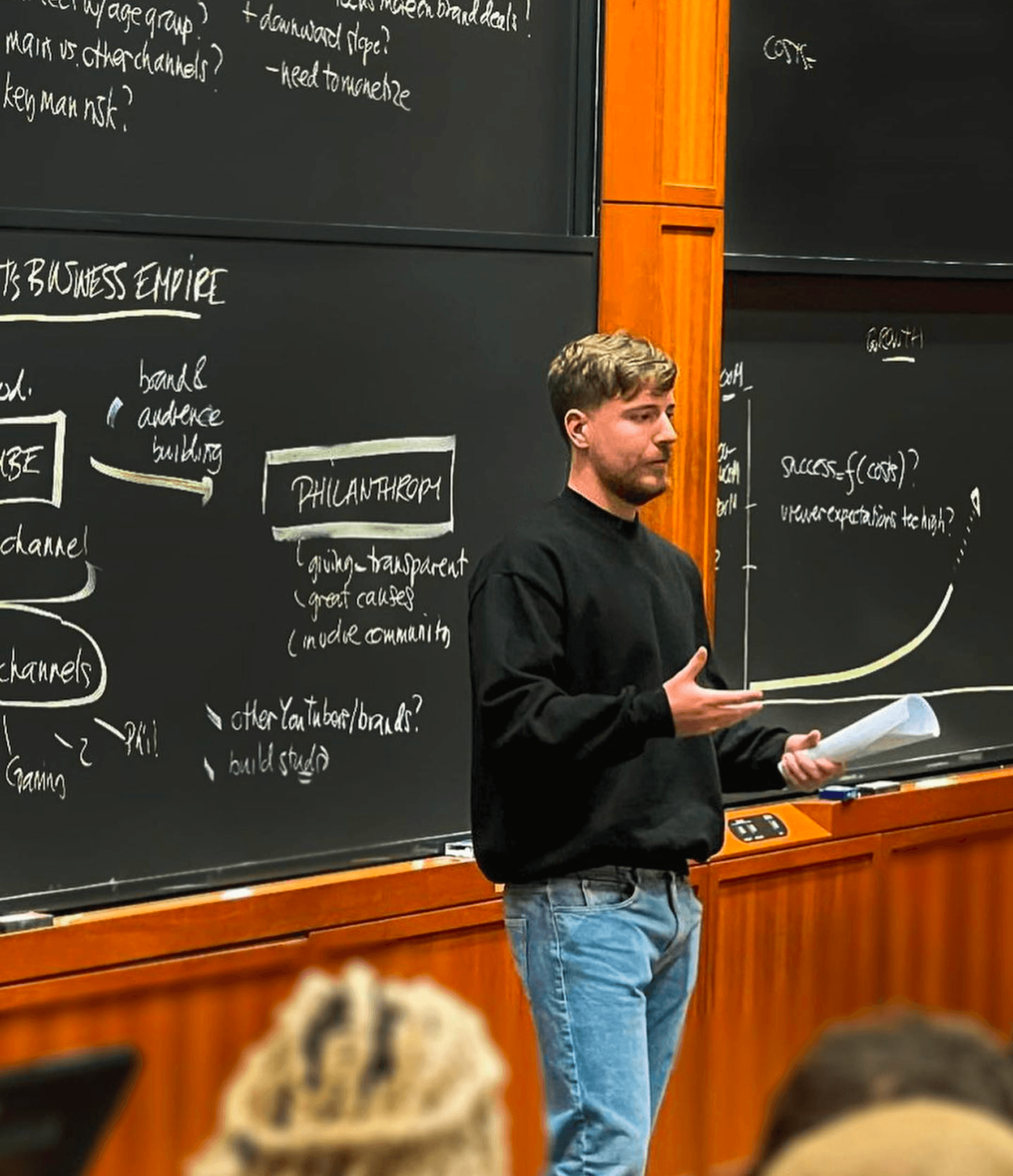
The legitimacy signal is real but the more interesting dynamic is what creators are getting in return.
Satchu's HBS student Katie Pfleger was featured on Earle's TikTok after the visit.
Two weeks later, Pfleger closed a lead investor as part of a 3 million dollar seed round for her startup. "That would not have happened without Alix posting it," Satchu said.
"She completely changed our funding timeline." The Harvard network runs both ways.
Creators are gaining access to future executives, investor rooms, and a professional network that used to be inaccessible. Harvard students are gaining distribution to audiences that no business school marketing budget could purchase.
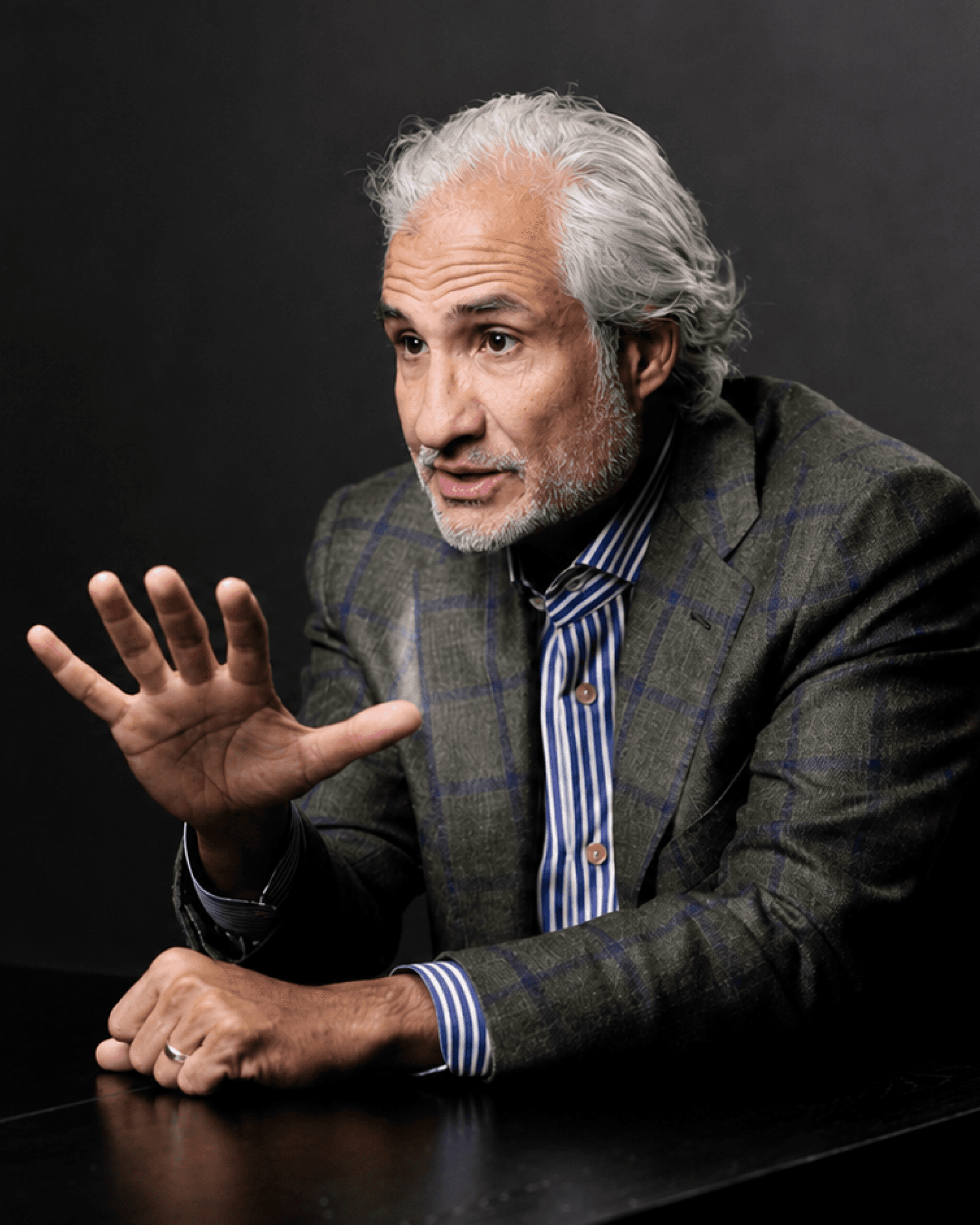
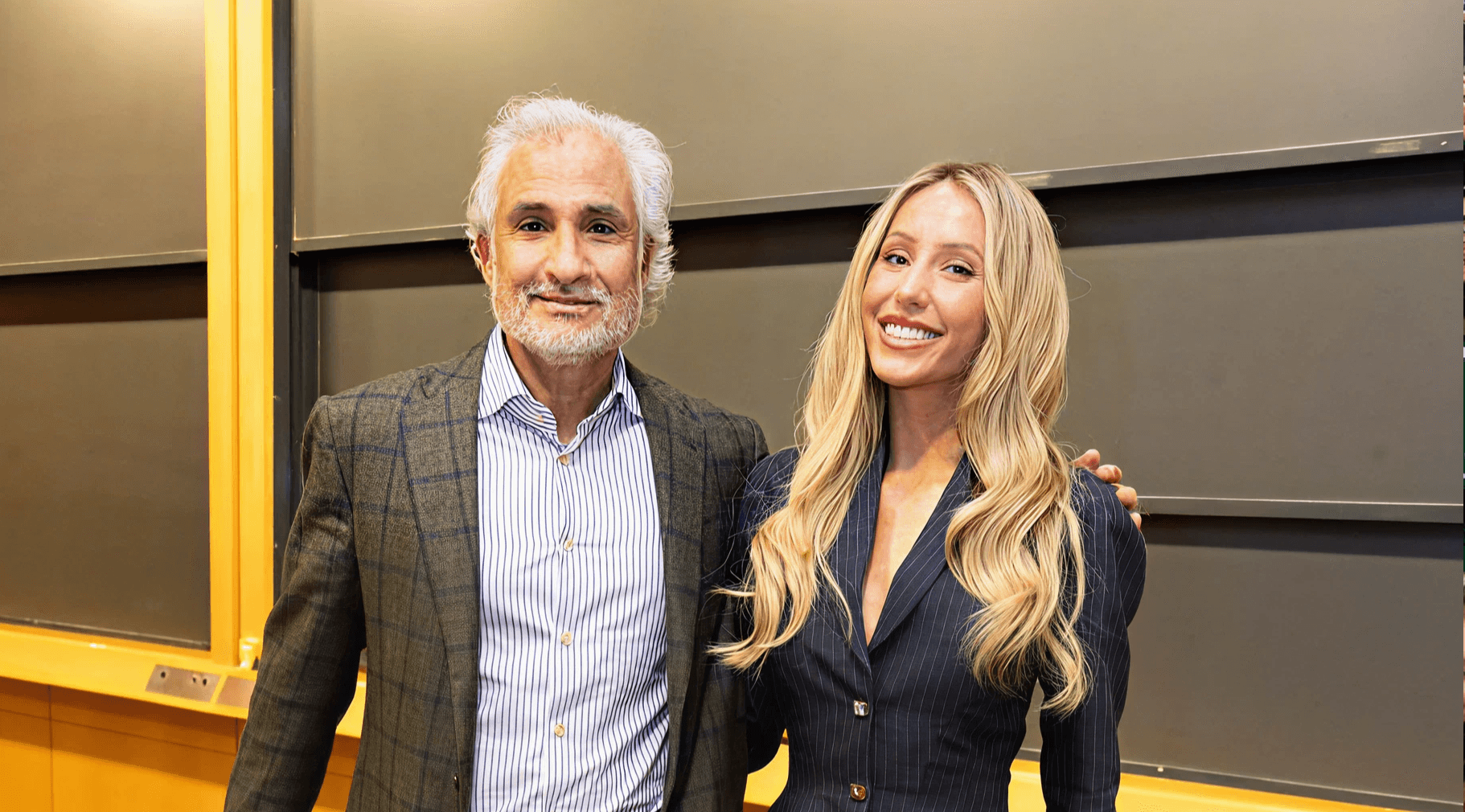
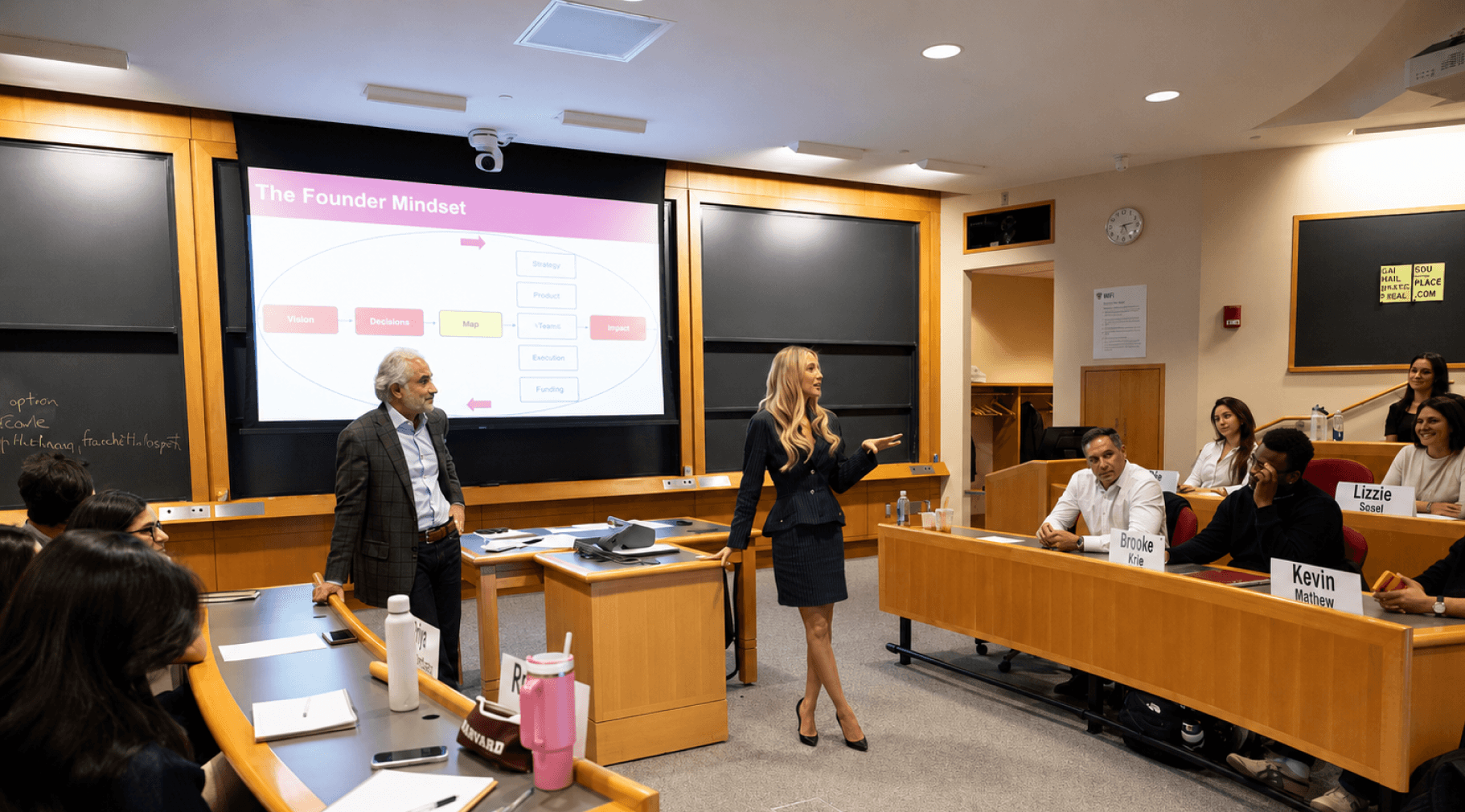
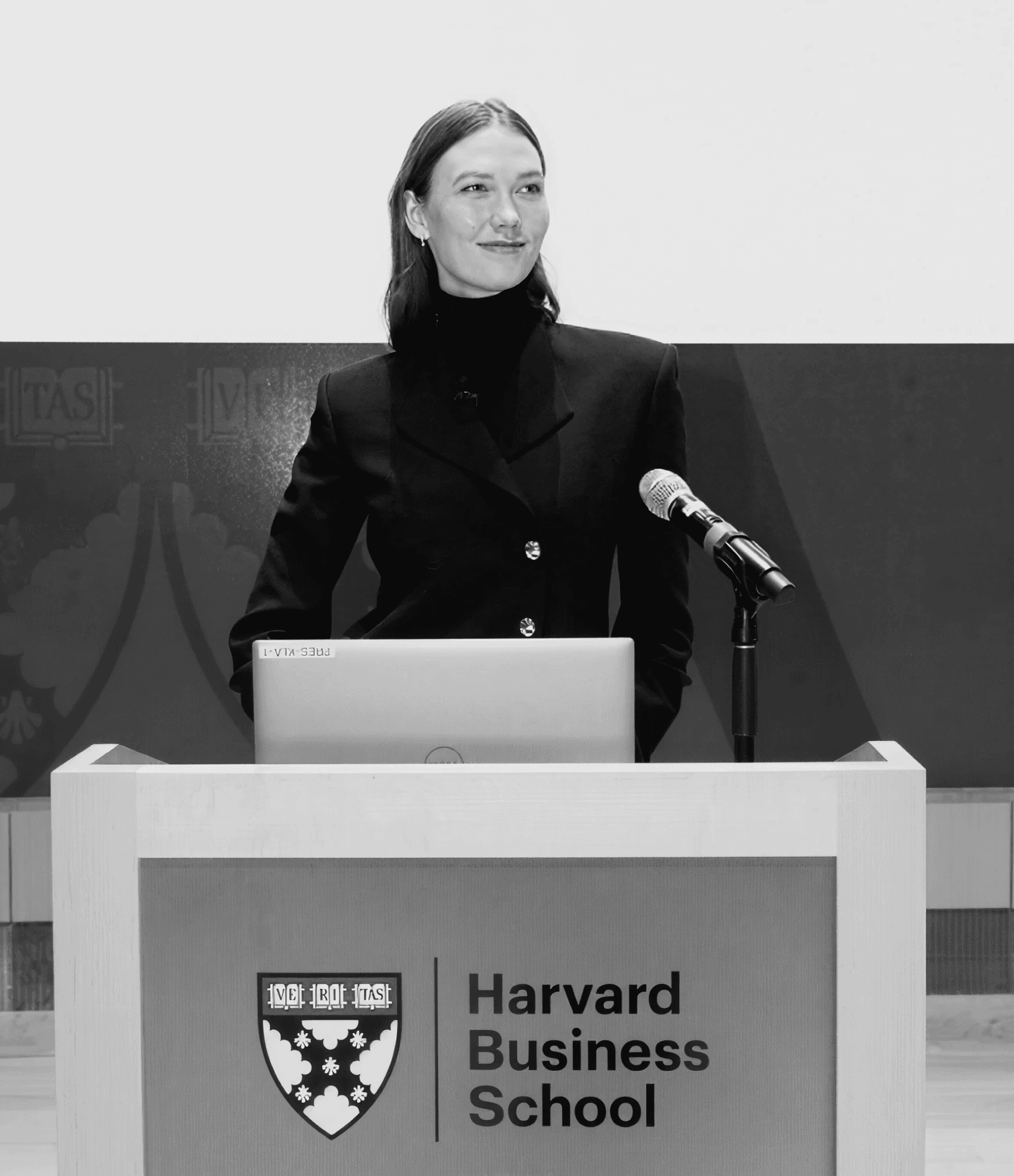
Not every creator who wants to stand in front of Harvard students has earned the right to do so.
Satchu has received thirty to forty requests from influencers wanting to speak. He has invited one. "I would not let just anyone in my class. I view it as hallowed ground."
The student-run clubs are less selective, which is why the Harvard photo has become its own form of social currency. Some creators are getting the campus shot without the substance behind it.
Satchu was direct: "Perhaps there's a particular student with an interest and there may just be ten people, but the influencer gets to post that they were at Harvard."
What it signals depends entirely on what the creator has actually built.
The relationship between you and institutions is blossoming. What perspective could you bring to the brightest students in the world?