Creators
Are The New Brands.
House special
/
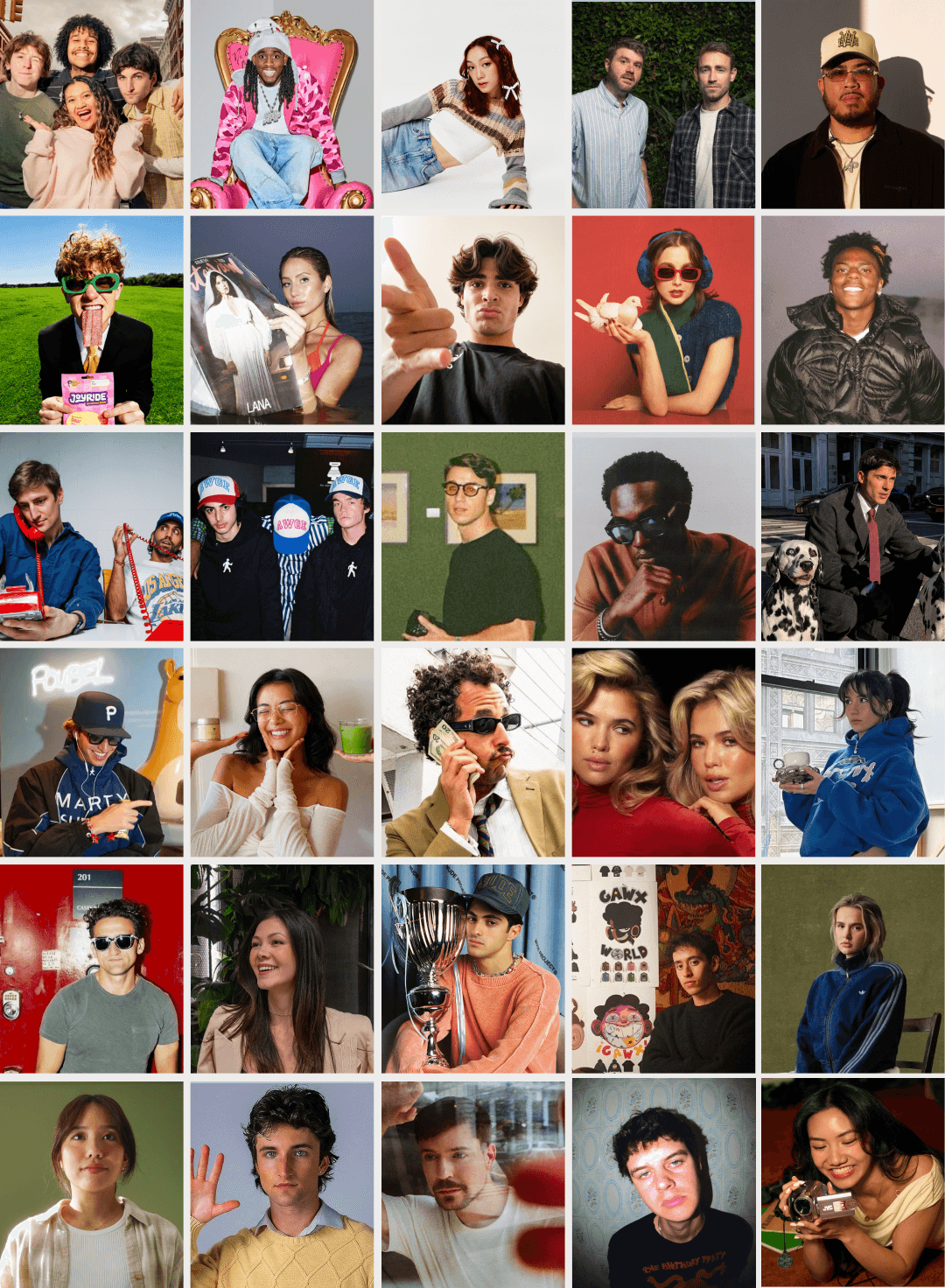
The most trusted voices in culture right now aren't logos.
They're people with a point of view, consistent enough about sharing it that they carry more cultural weight than the organisations they work for.
At the same time, the brands people actually connect with have stopped trying to sound like companies.
They have personality. They have opinions. They reply in a voice that feels like a person wrote it because increasingly, one did.
Both sides are moving toward the same middle.
None of this is new.
The creator economy figured it out years ago.
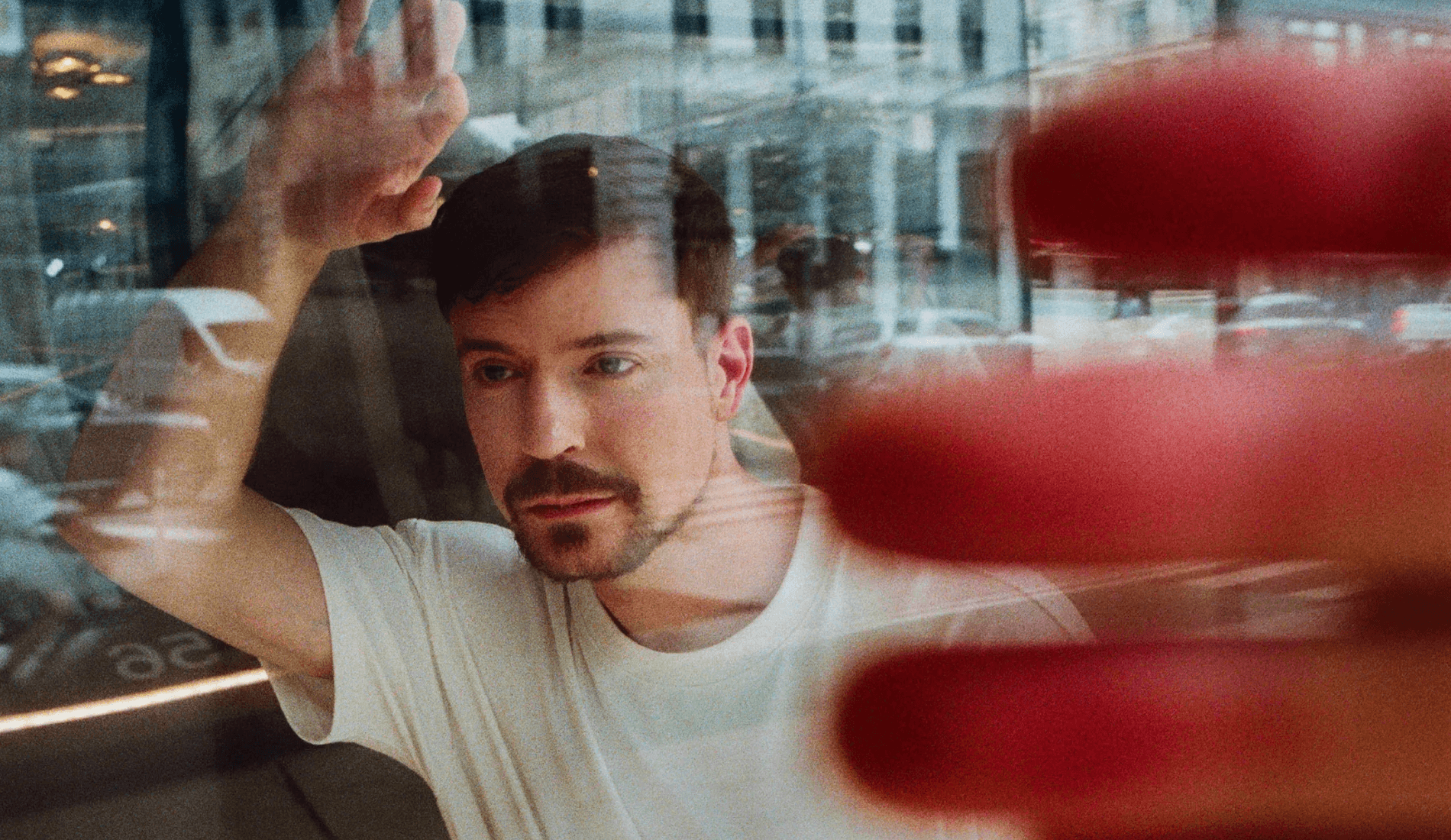
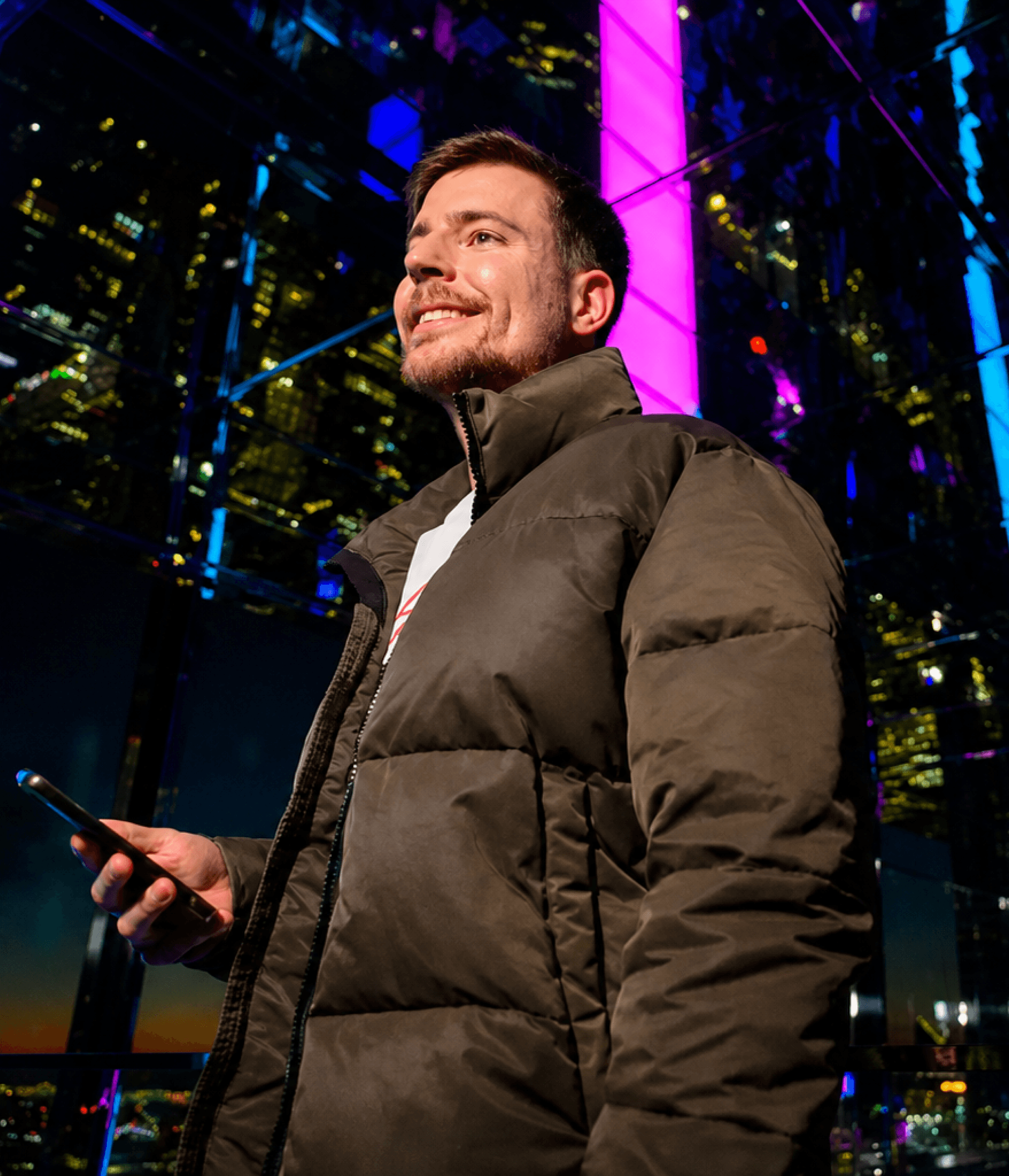
When MrBeast built an entirely separate brand architecture around philanthropy and spectacle, it wasn't a content strategy.
It was a bet that one person's identity, his generosity, his scale, his particular obsession with doing things nobody had done before, could carry more cultural weight than any marketing campaign.
He was right. MrBeast is now a media company, a food brand, a chocolate brand, and a cultural institution.
The person was always the product. The products followed.
Distribution is now available to anyone.
The shift happened because distribution is now available to anyone.
When anyone can reach anyone, a distinct point of view is the only thing that compounds. A CV doesn't. A perspective does.
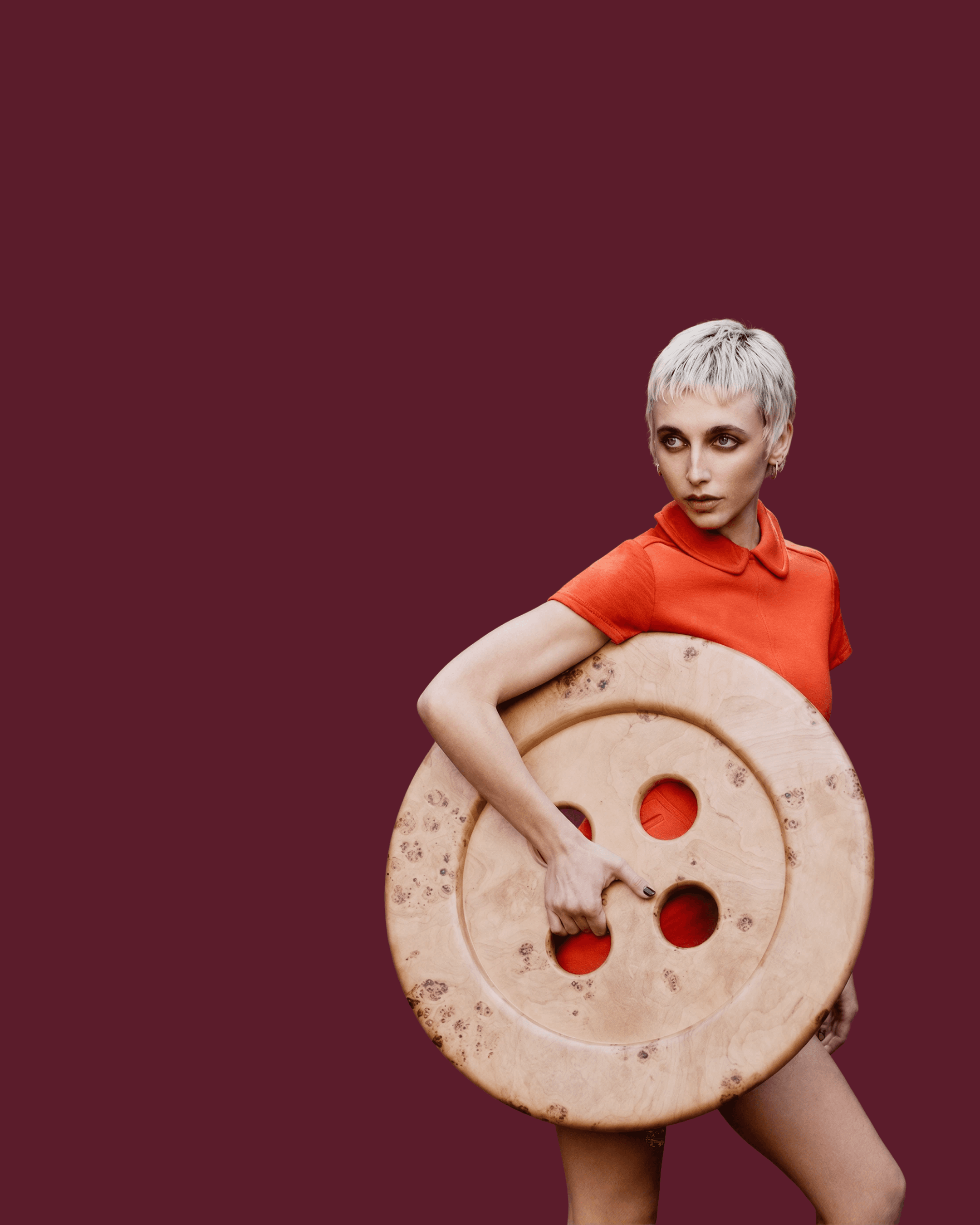
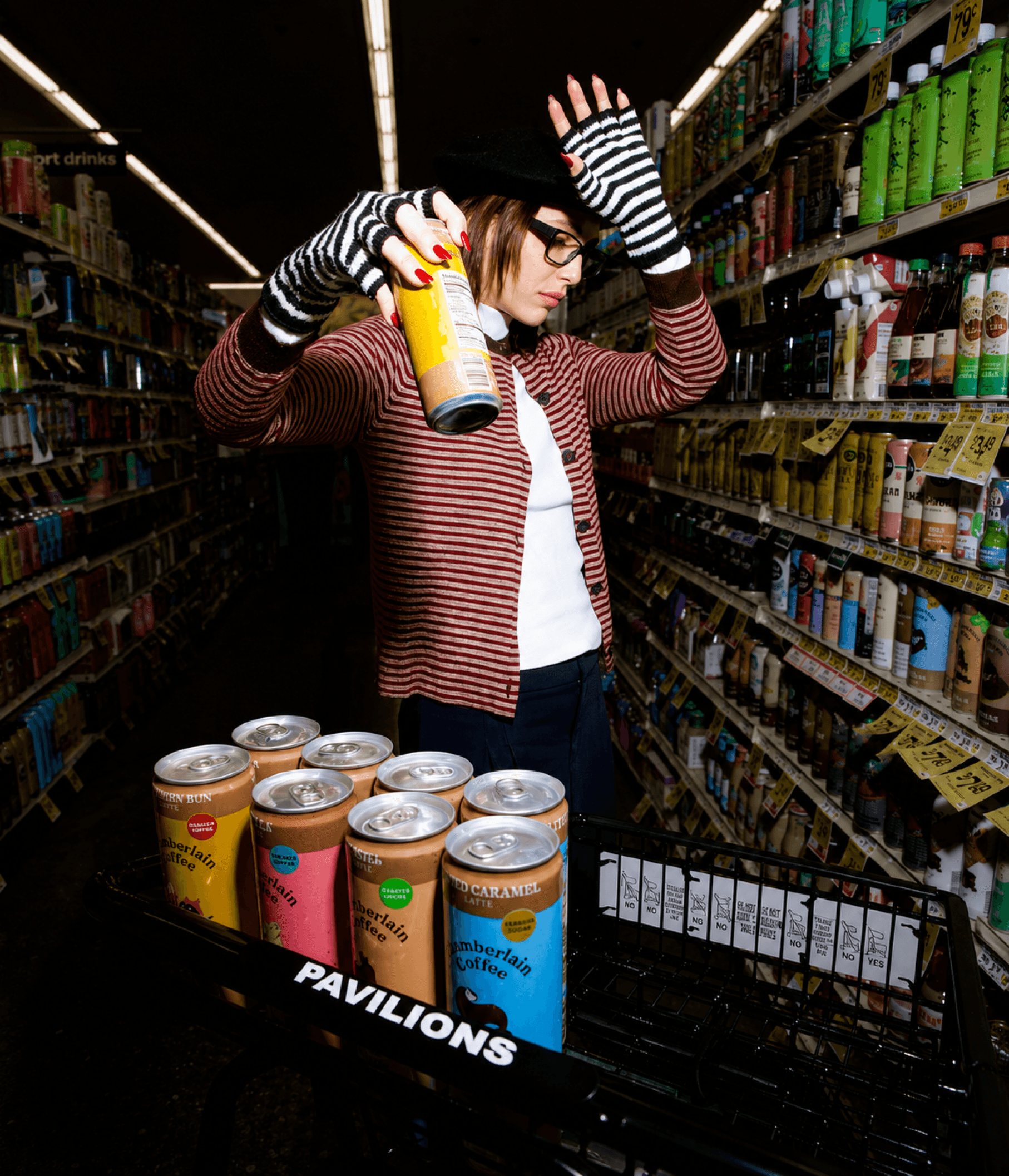
Emma Chamberlain built a coffee company on the back of a personality so specific her audience felt like they were buying into her morning, not just a bag of beans.
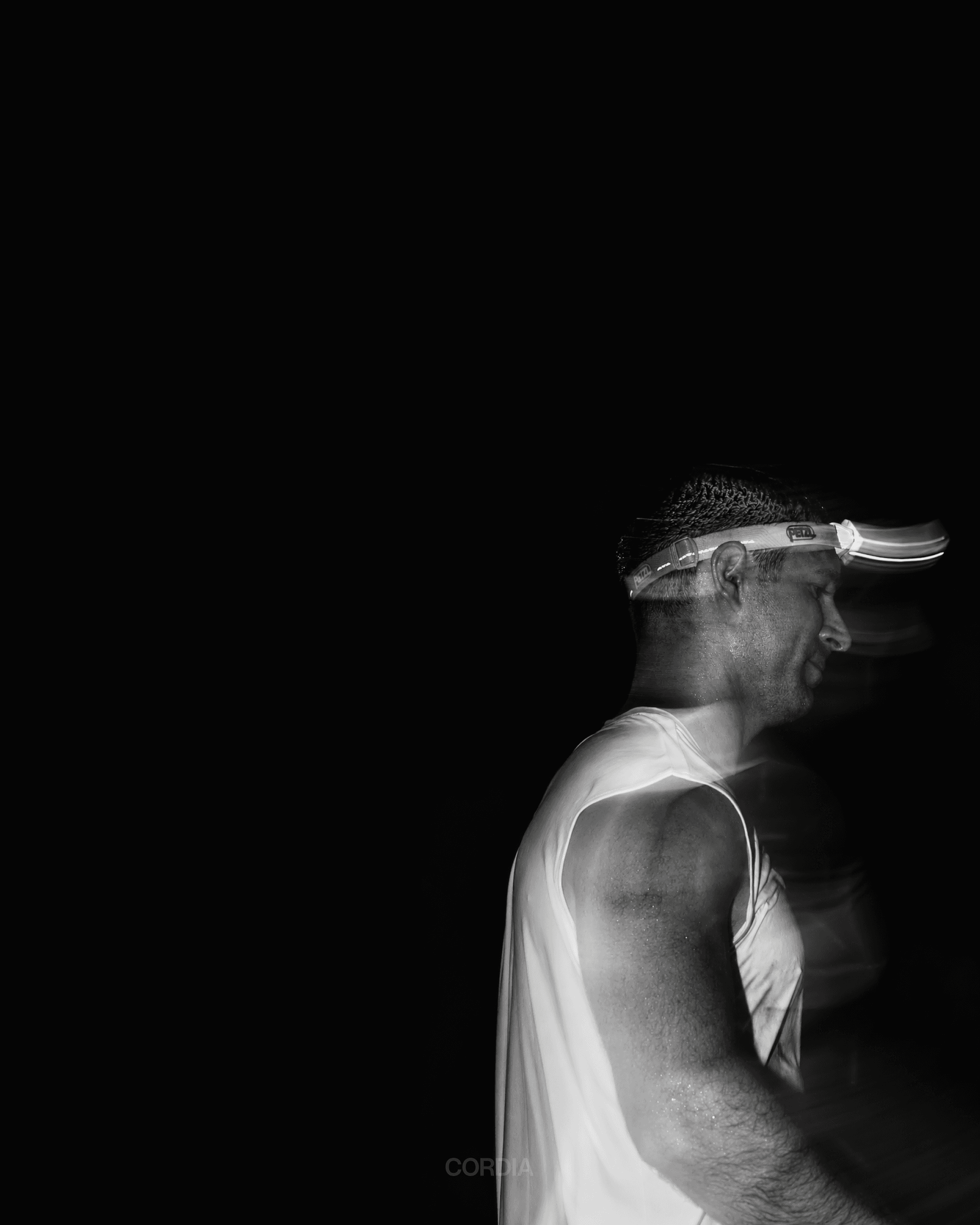
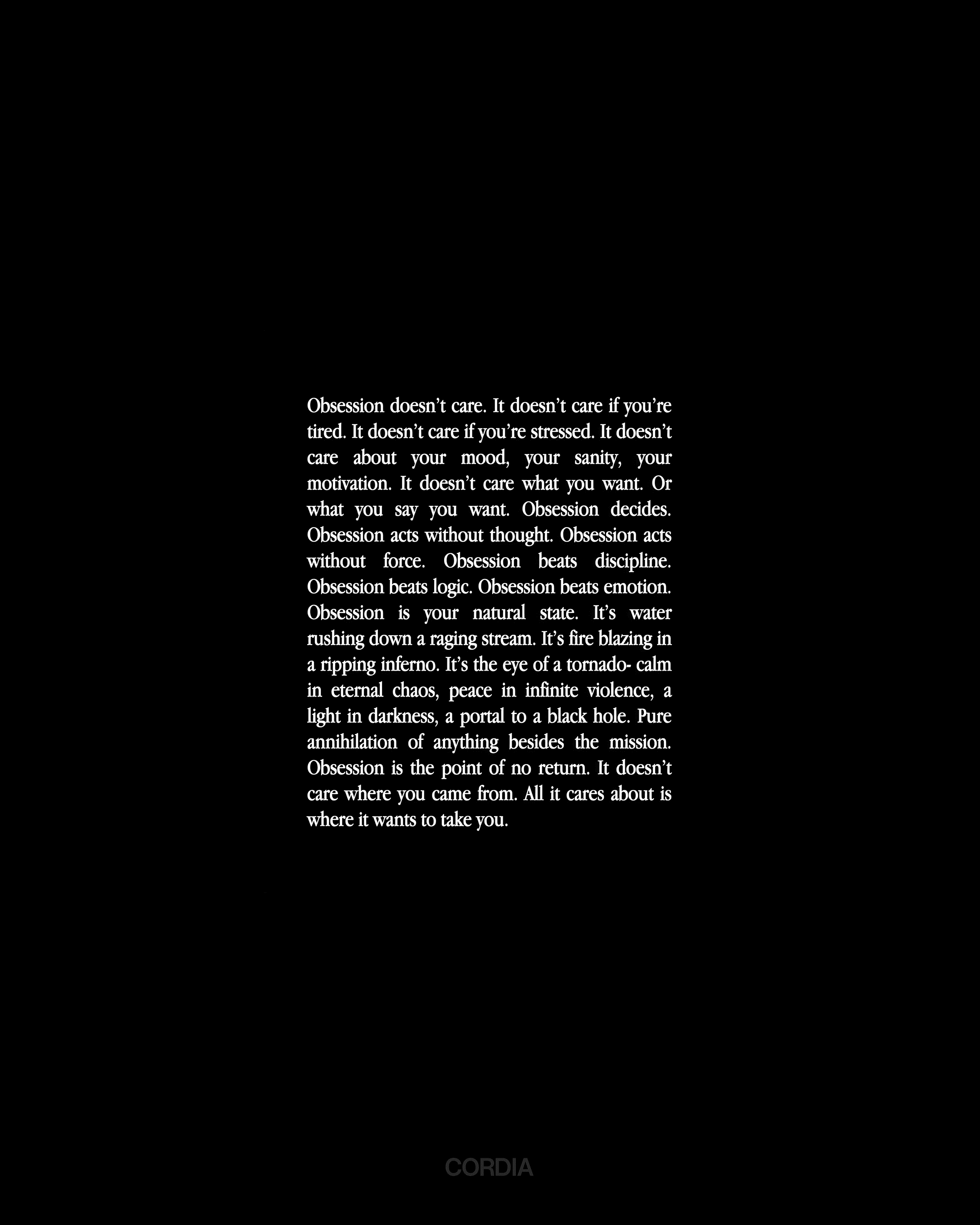
Zach Pogrob built an entire world around a single word, obsession, and watched it expand into a newsletter, a running community, and an app.
Neither of them started with a product. They started with a point of view.
What they understood: trust transfers.
When an audience believes in the person, they follow across categories, products, and platforms.

Creators building audiences right now are operating with the kind of strategic clarity most brand teams aspire to.
They know their niche. They know their tone. They understand that every piece of content is either building or eroding the thing they're trying to stand for.
The most successful versions of both, the person building like a brand and the brand building like a person, share the same foundation.
A clear point of view. Consistency over time. The willingness to be specific enough to alienate some people in order to mean something to others.
That last part is where most brands still flinch. Creators understand it intuitively.

You can't be for everyone and mean something to anyone.
The creators who built the most durable businesses in the last decade didn't try to appeal to everyone.
They went deep into one world and waited for the right people to find them.
Everyone else is still catching up.