A voice so original
It was inimitable.
Breakdown
/
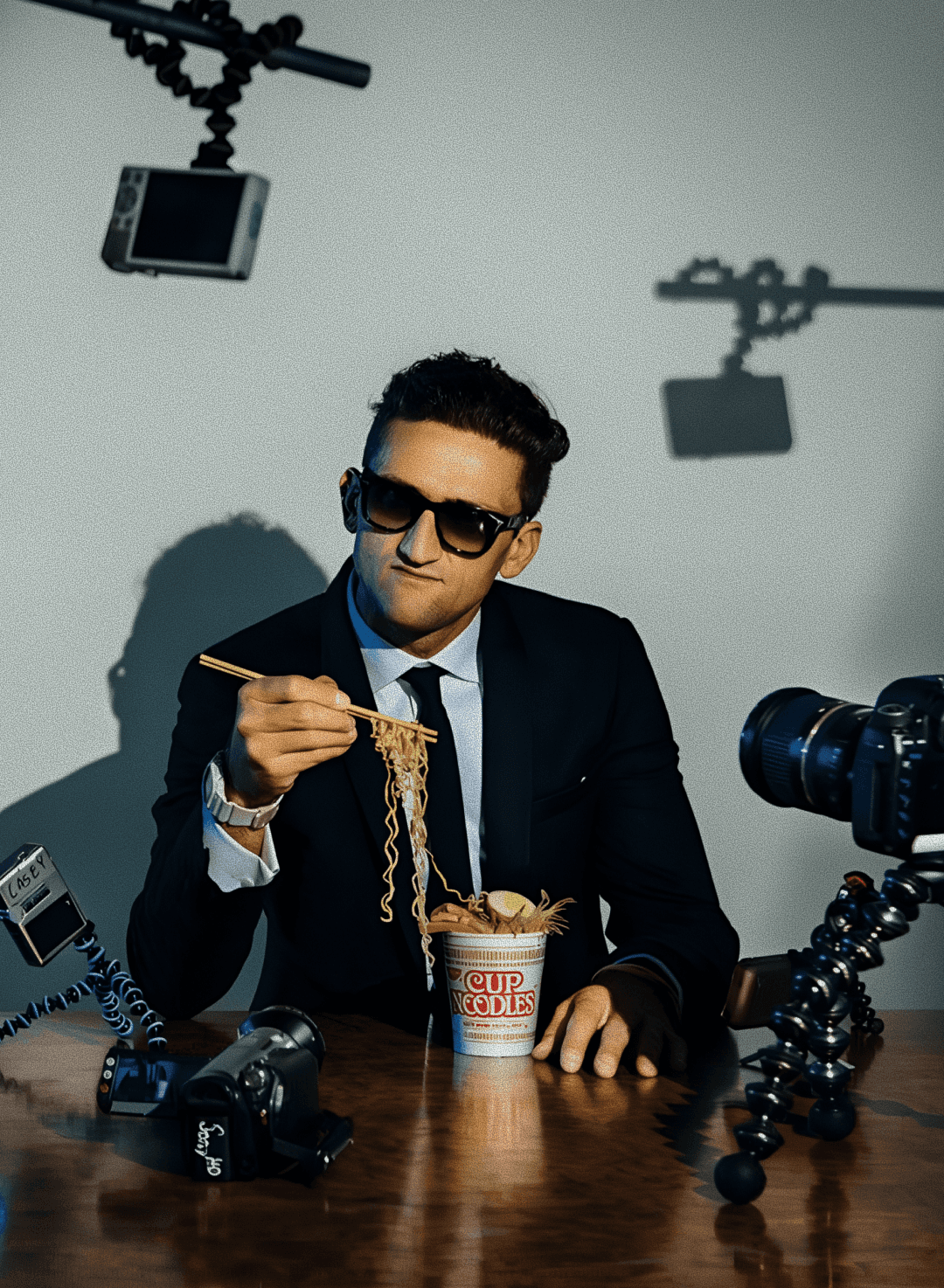
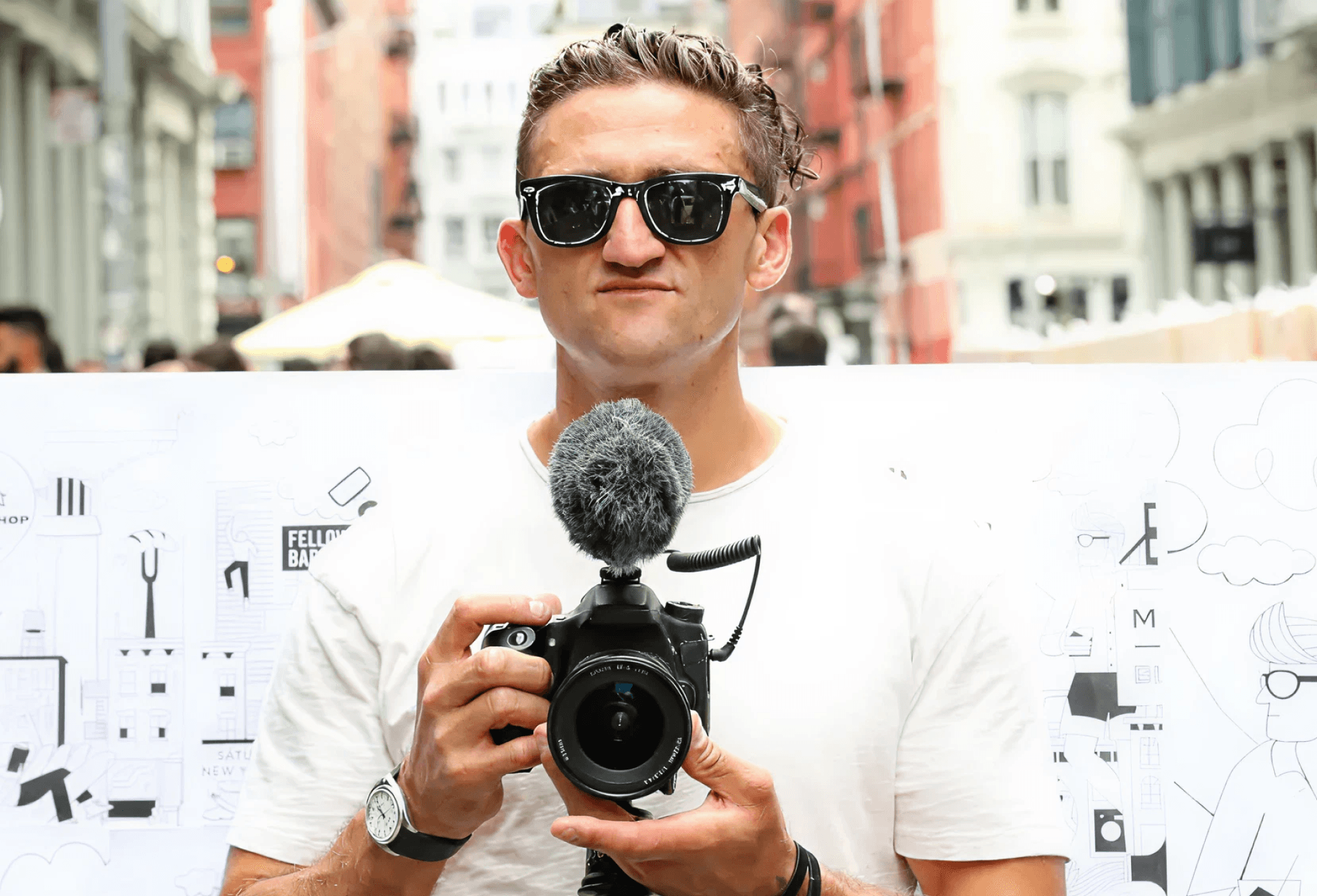
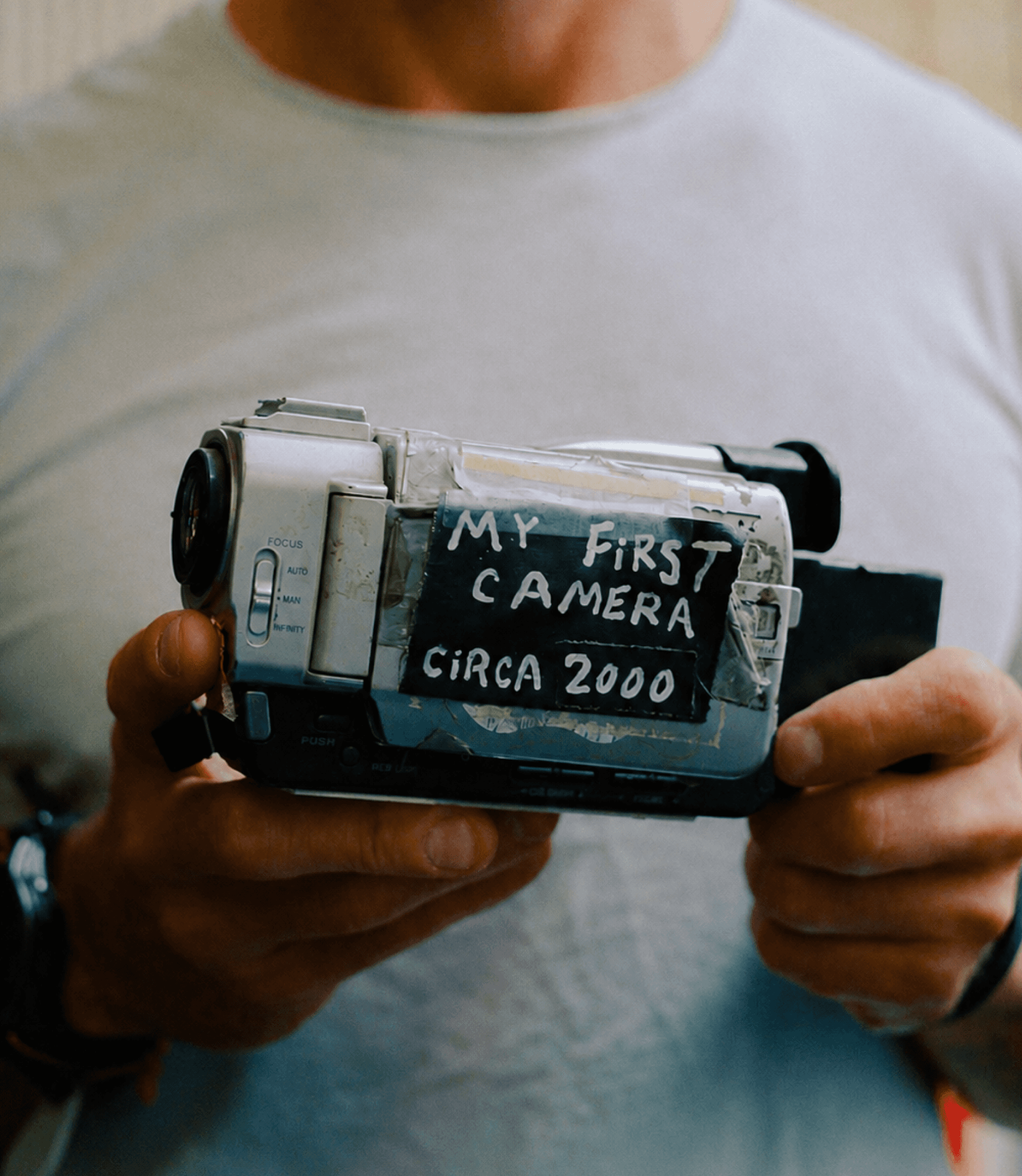
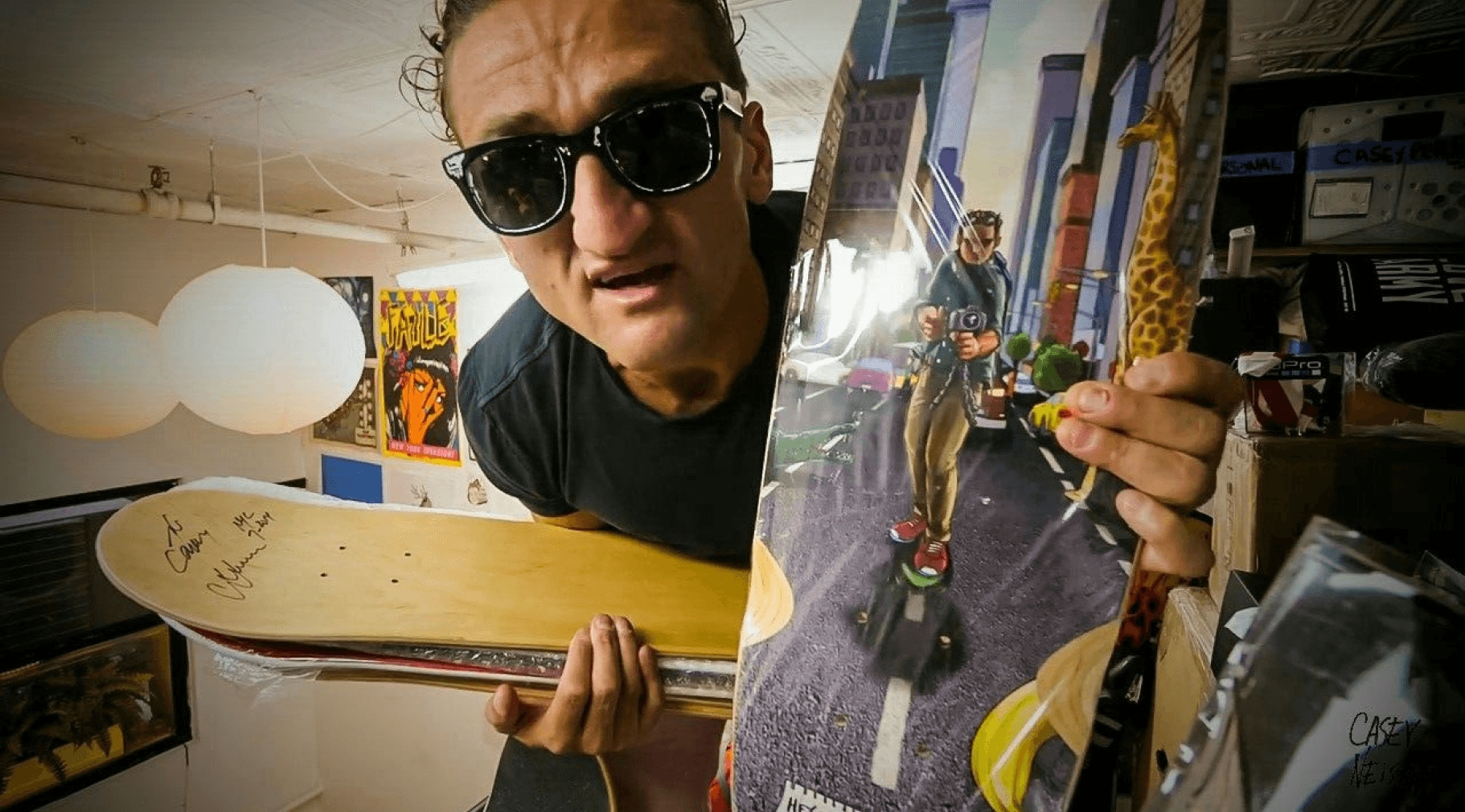
He dropped out of high school. Became a father on welfare at age 17. Taught himself filmmaking on an old iMac because he had zero access to any other resources. Most people would portray a past like this as an obstacle to achieving their goals. But for Casey Neistat, the scarcity was his education.
The immense constraints forced him to be innovative. To find an advantage that money couldn’t buy. Hence, in a world so fixated on technical improvement, Casey Neistat built a visual language driven by the story rather than the production. With such a distinct foundation, when the money came, Casey knew exactly what to do with it.
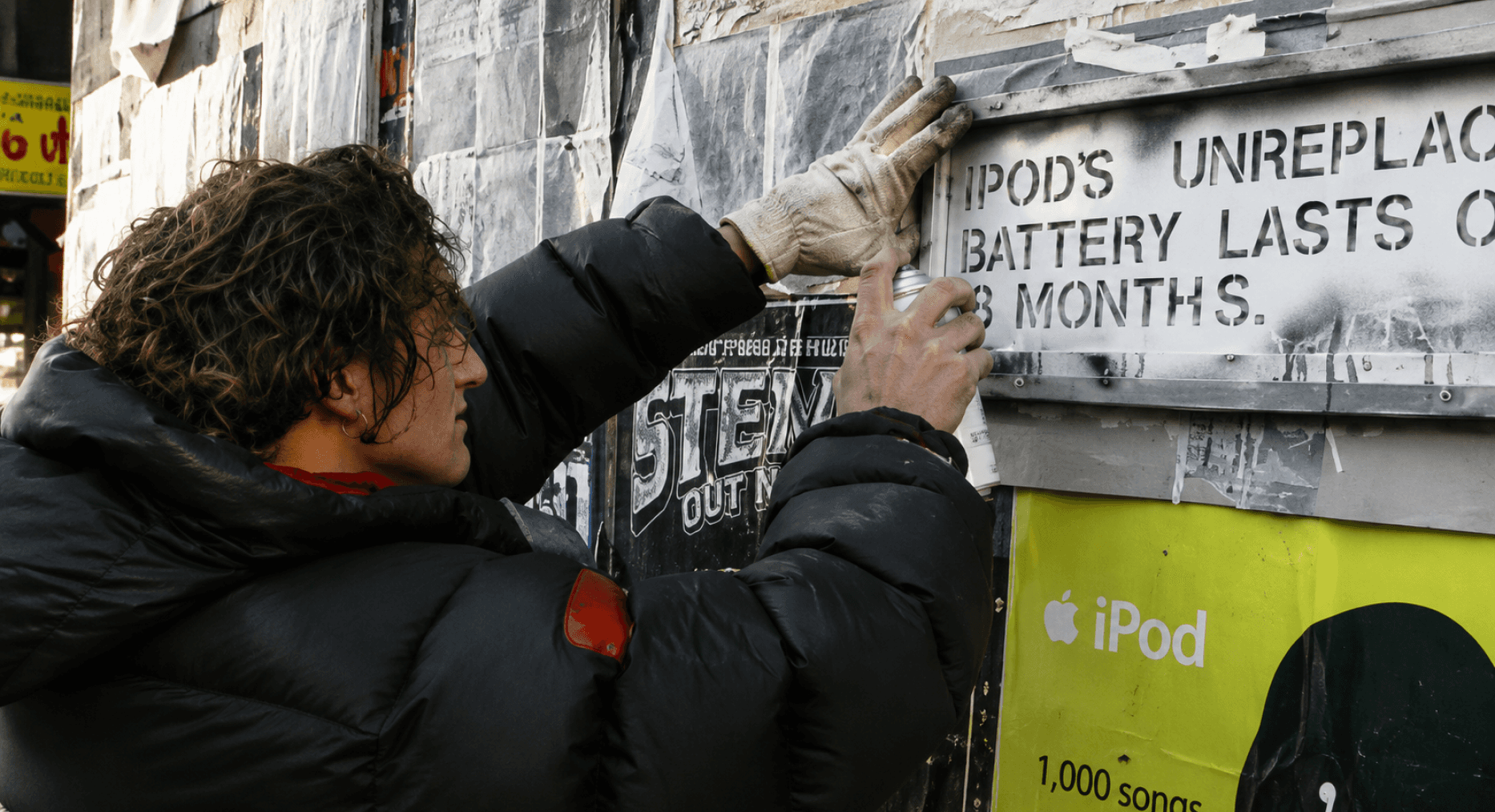
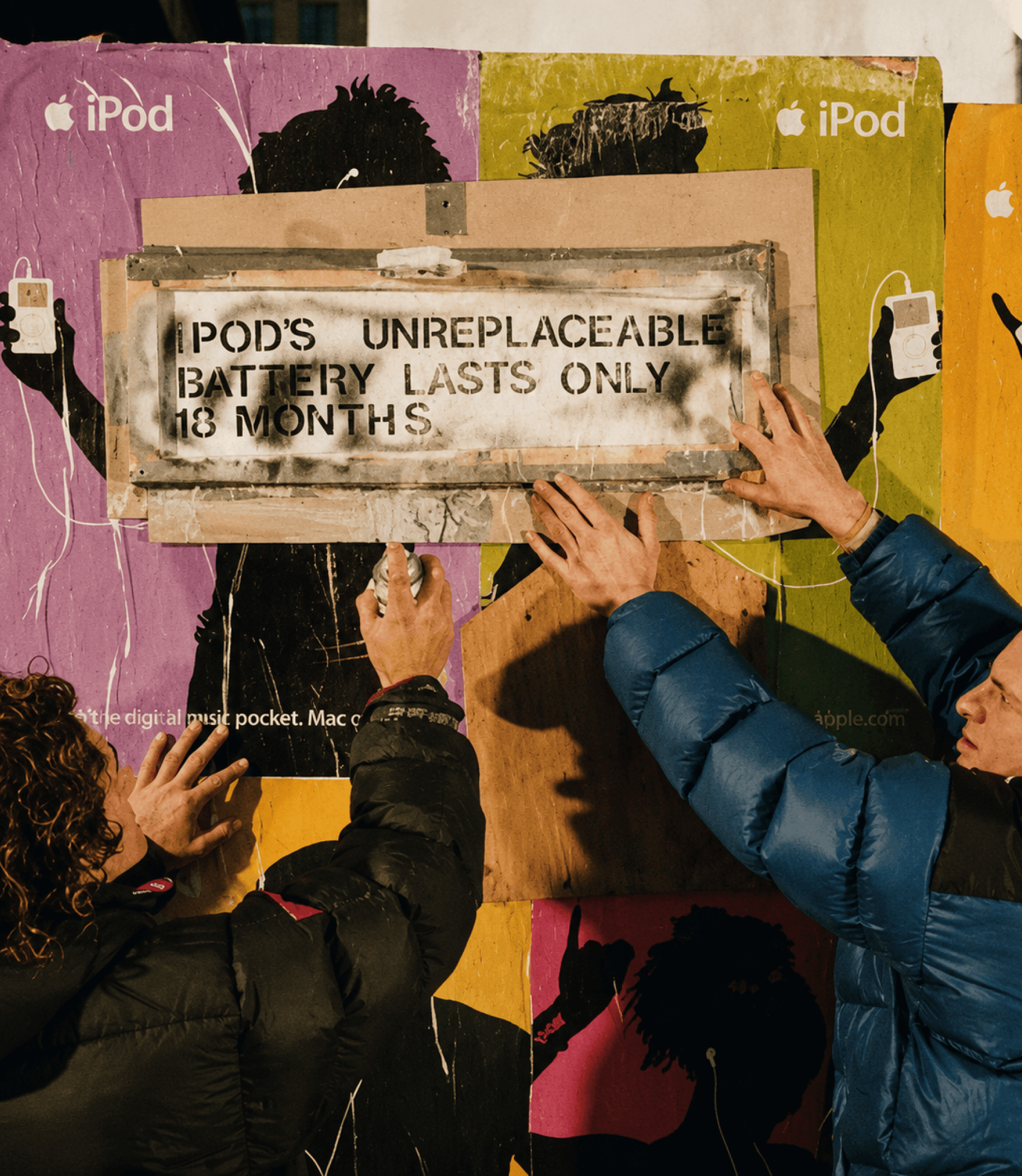
In 2003, Casey Neistat posted a video calling out Apple’s iPod battery policy. It was before YouTube. It was before “blowing up on the Internet” was considered a possibility. Yet the video spread to the point that even mainstream media picked it up.
At 22, with no existing platform or credibility, Casey had proven something that would take the rest of us another 23 years to figure out. One authentic, well-narrated, specific story could make waves as big as any outlet with a million-dollar budget.
But the lesson that Casey learned wasn’t just “being honest.” It's the fact that there’s always a gap between what a Fortune 500 company says it’ll do and what it actually does. The first person to pinpoint these gaps without apology creates an endless stream of content.
Casey Neistat started with a voice. He now had a purpose. And he spent the next decade bridging these two qualities together.
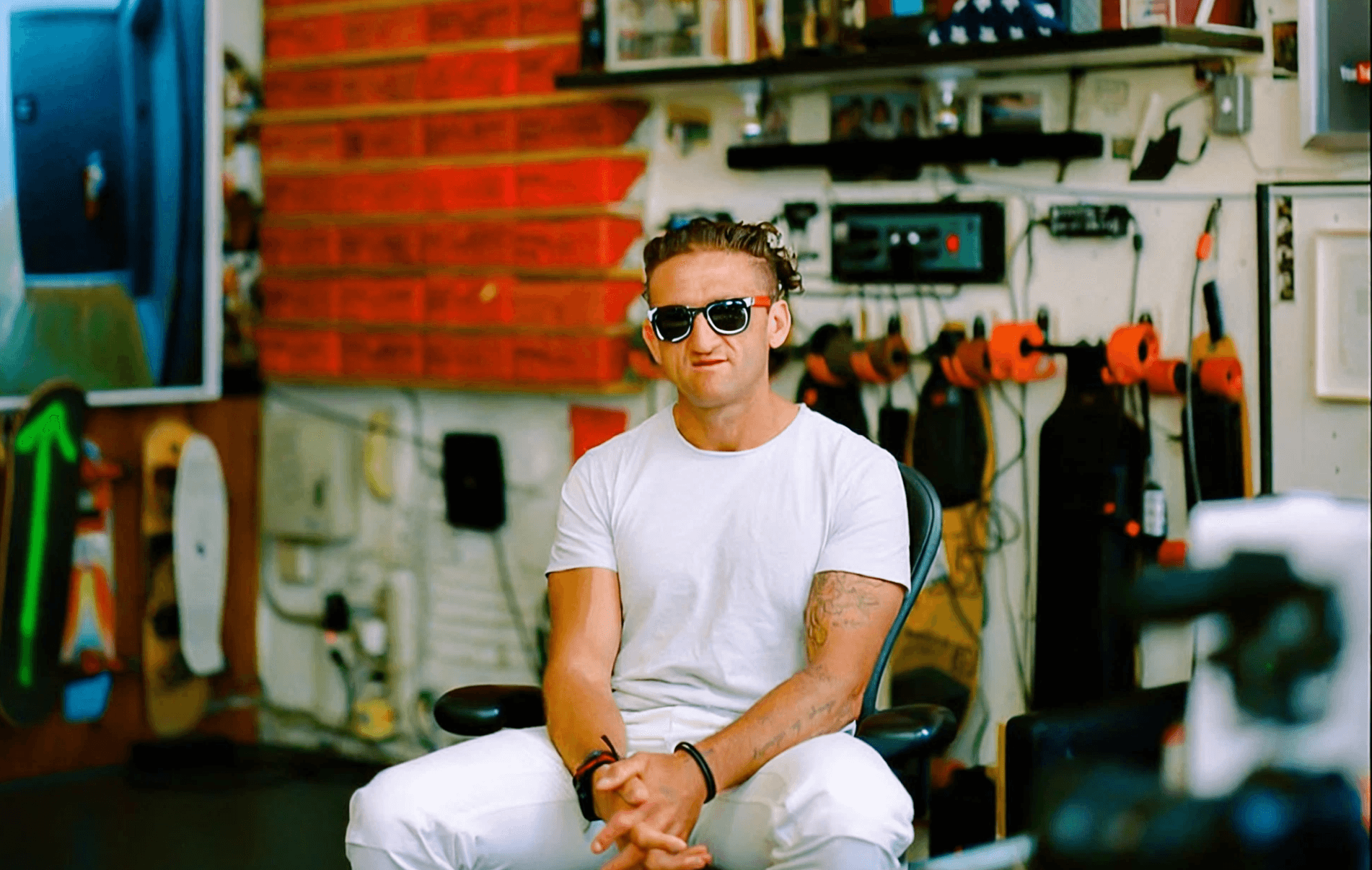
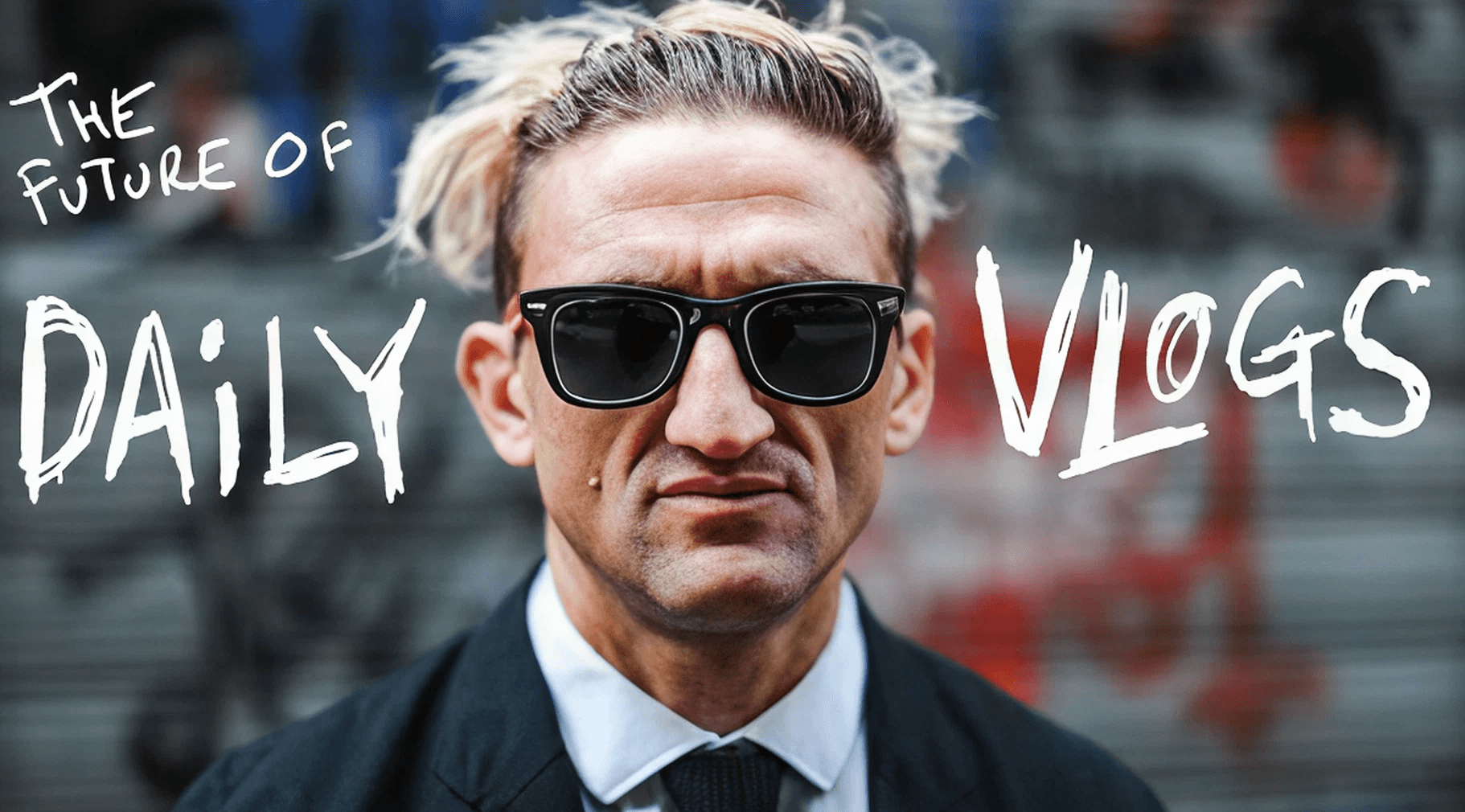
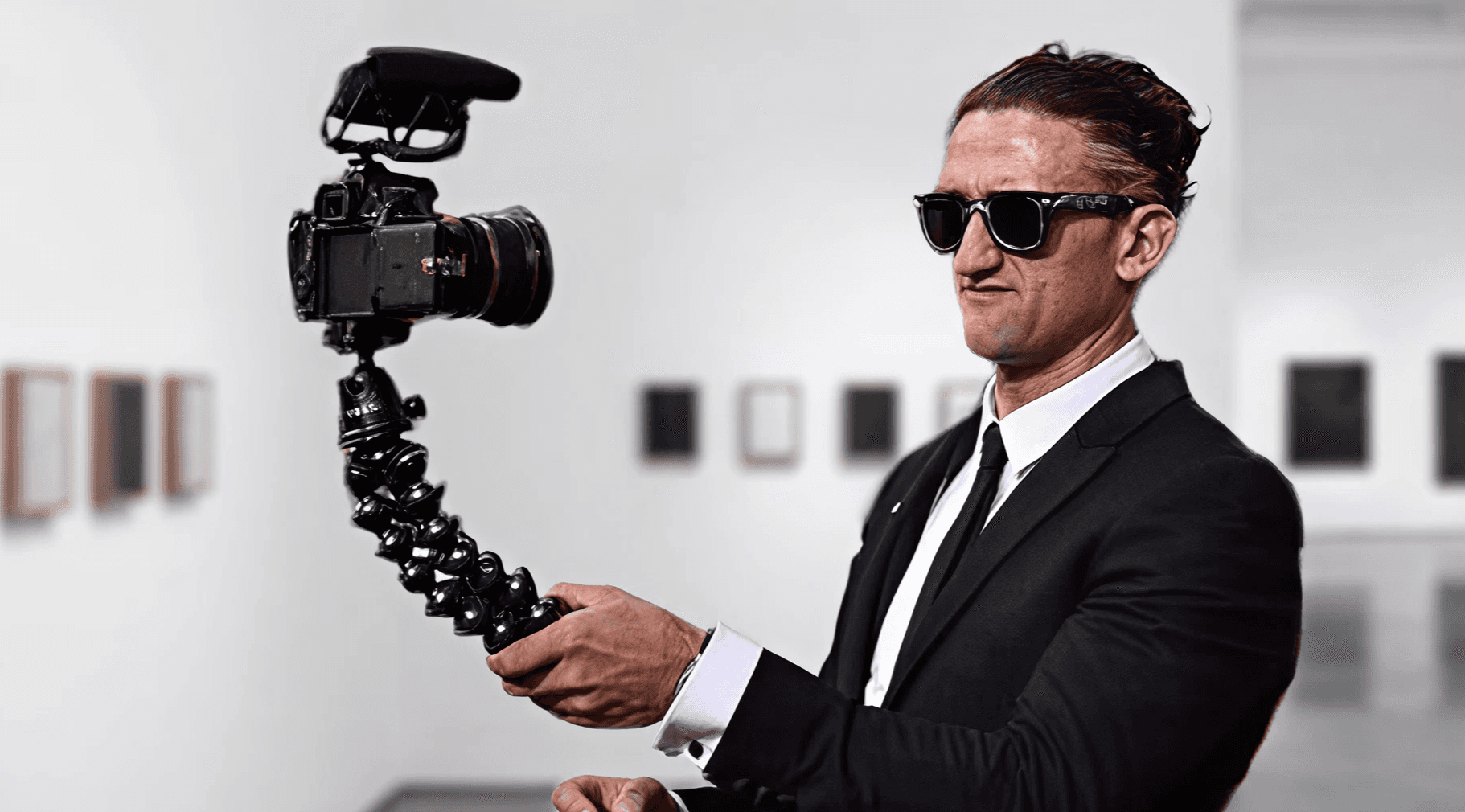
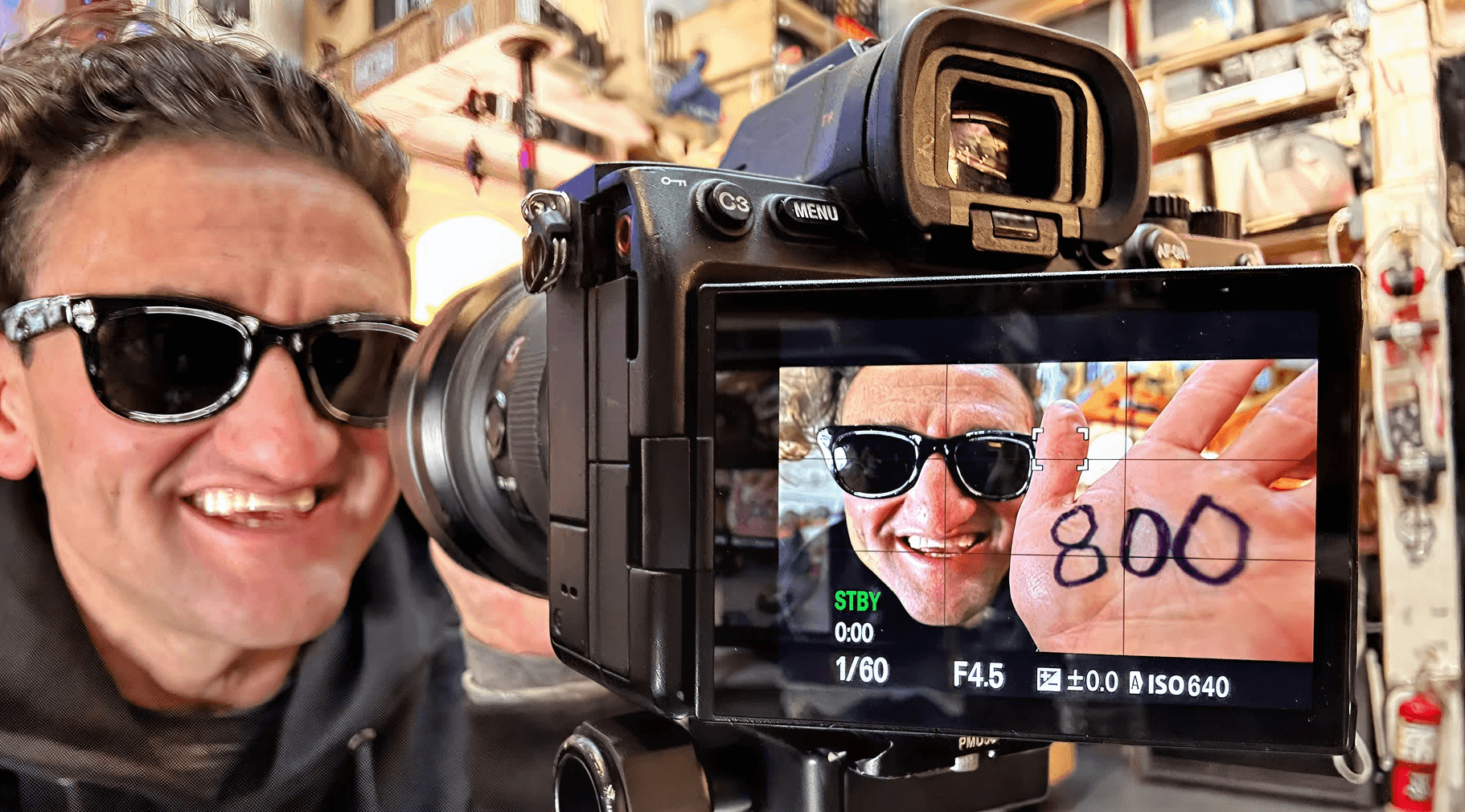
When Casey Neistat committed to daily vlogging in 2015, he wasn’t simply following the trend. He was actively building his rhythm, clarifying his tone of voice, and sharpening his edits. 500 episodes later, he essentially created a frictionless viewing experience. Fast cuts. Time-lapses. Aerials. Personal articulation. All down to perfection, forged through thousands of hours in personal refinement.
Everyone else who tried to mirror the model could nail the surface-level. The build-up, however, was irreplaceable, because no one else was willing to do it.
The product was a personal visual language so perfectly amalgamated with YouTube’s algorithm. Cinematic yet human. Ambitious yet accessible. What separated Casey Neistat wasn’t the content frequency. It was the niche he cultivated with every video.
Casey Neistat co-founded Beme, an app that required you to record videos from your chest. You couldn’t see what you were filming, which meant there was no framing, no editing, just full transparency. It was a reflection of everything Casey Neistat stood for.
And CNN spent $25 million on it. Not just for the app. For Casey’s knowledge. For his ability to leverage news and articulate facts to resonate with a younger generation. But what CNN didn’t realize is that trying to institutionalize the model destroys it altogether.
Casey Neistat’s ability to operate with speed, instinct, and creative freedom contradicted CNN’s audit & review infrastructure. Casey left because he realized something. His voice was so effective because it couldn’t be micro-managed.
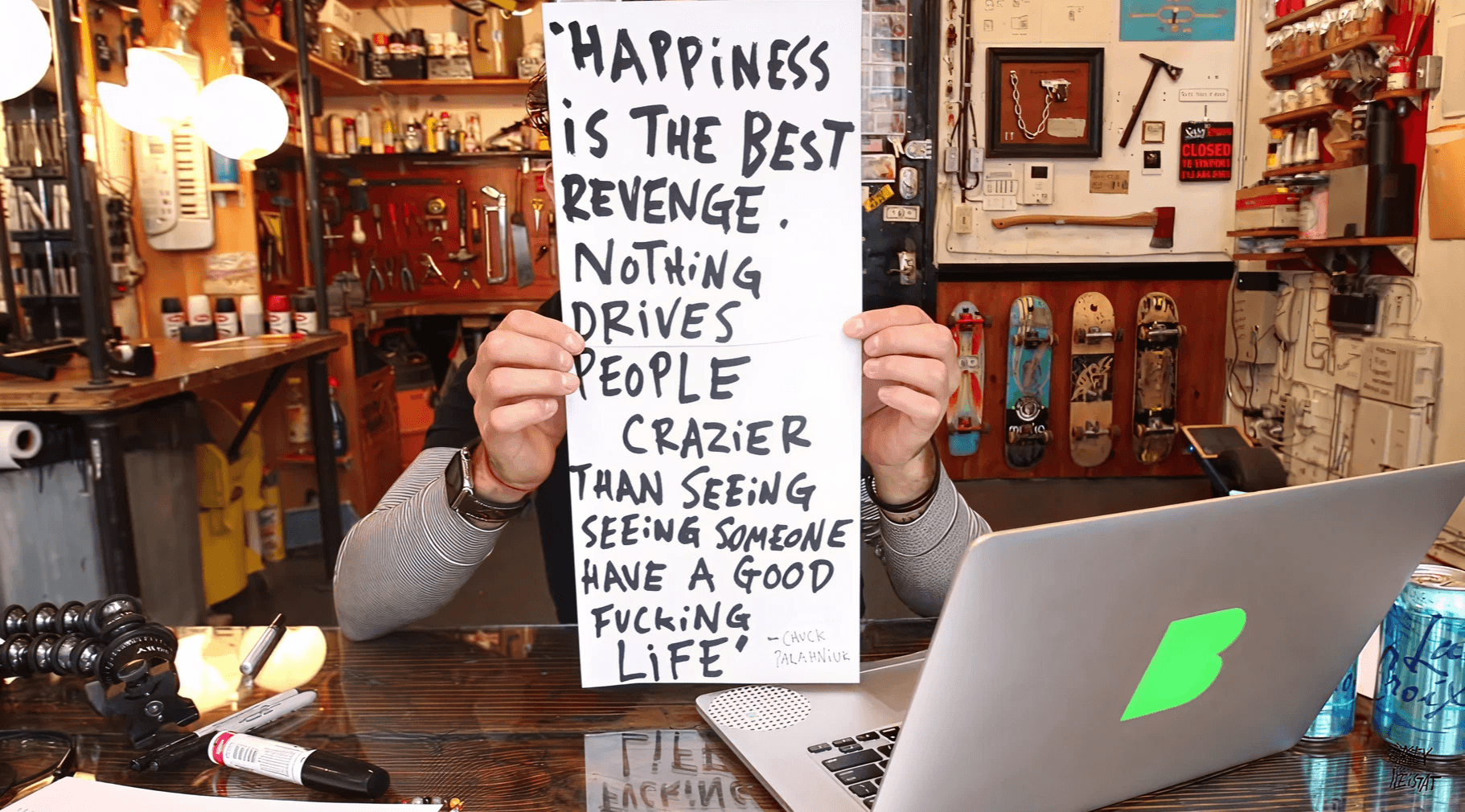
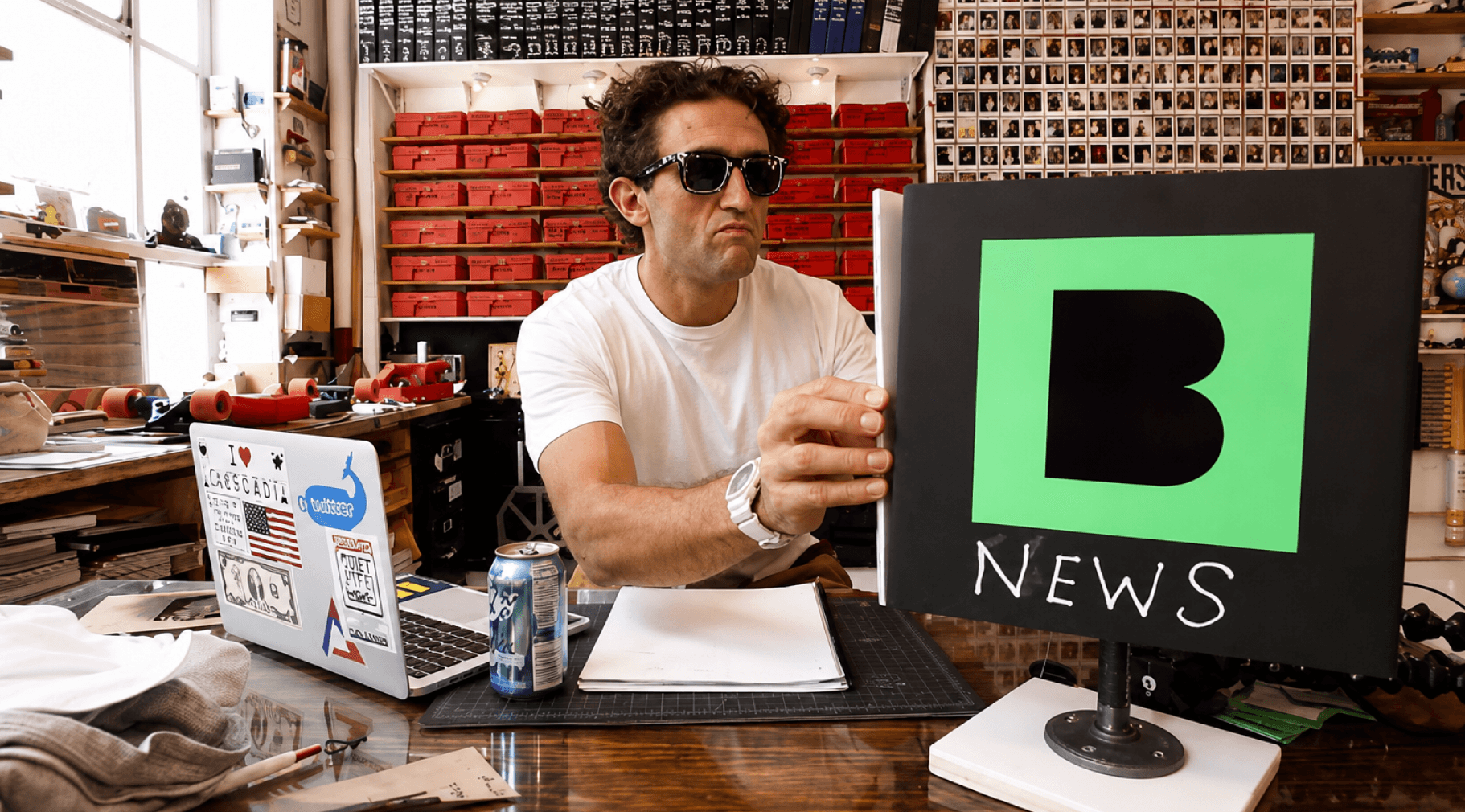
Casey Neistat doesn’t have to upload anymore. His authority is already solidified. Decades of posting laid the groundwork. The Beme exit and brand deals reaped the harvest. But most people desire the harvest without planting the seeds.
The difference between Casey Neistat and other influencers is that Casey never built for scale. He built for truth. And he did it with a voice so specific to himself that it was indistinguishable.
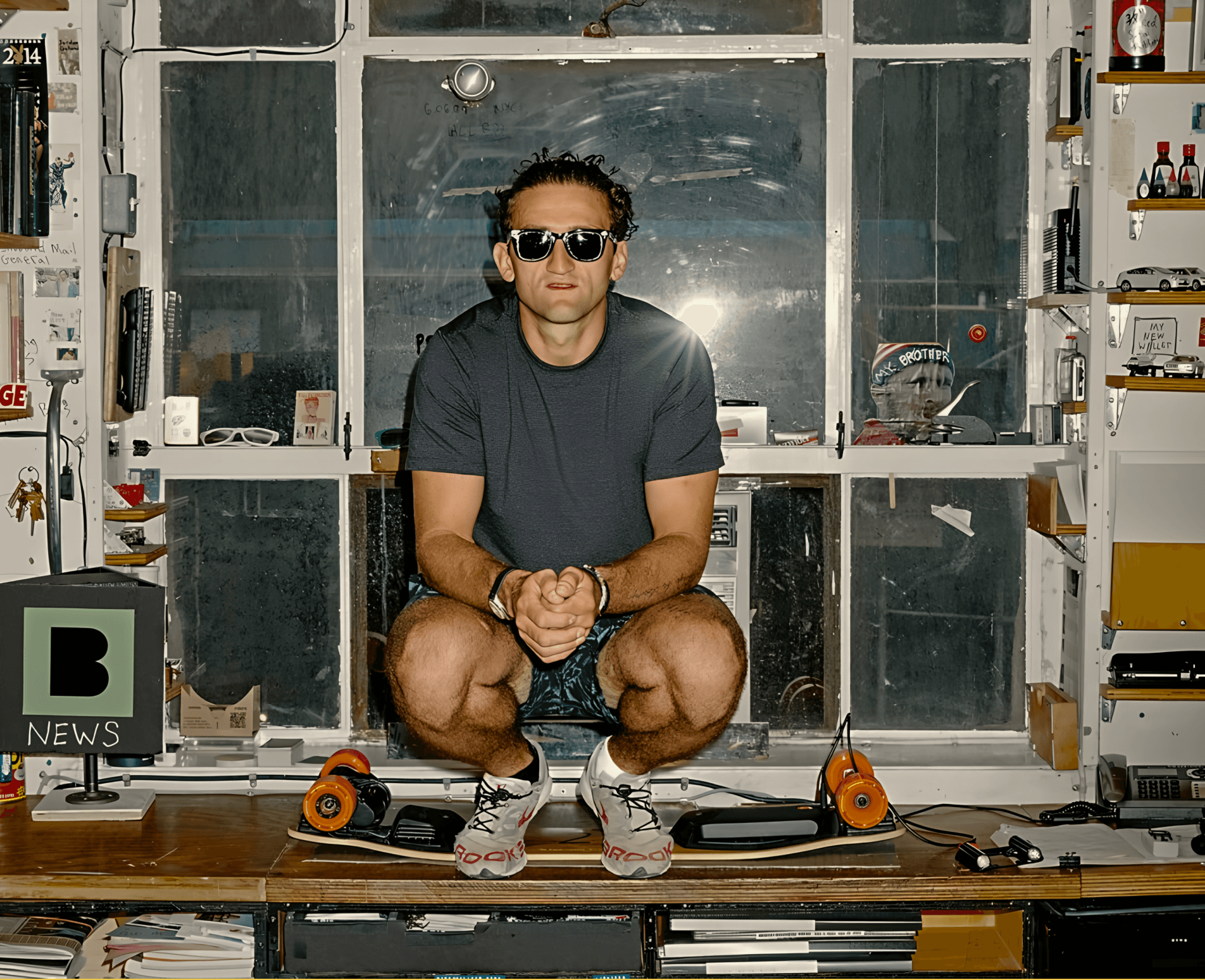
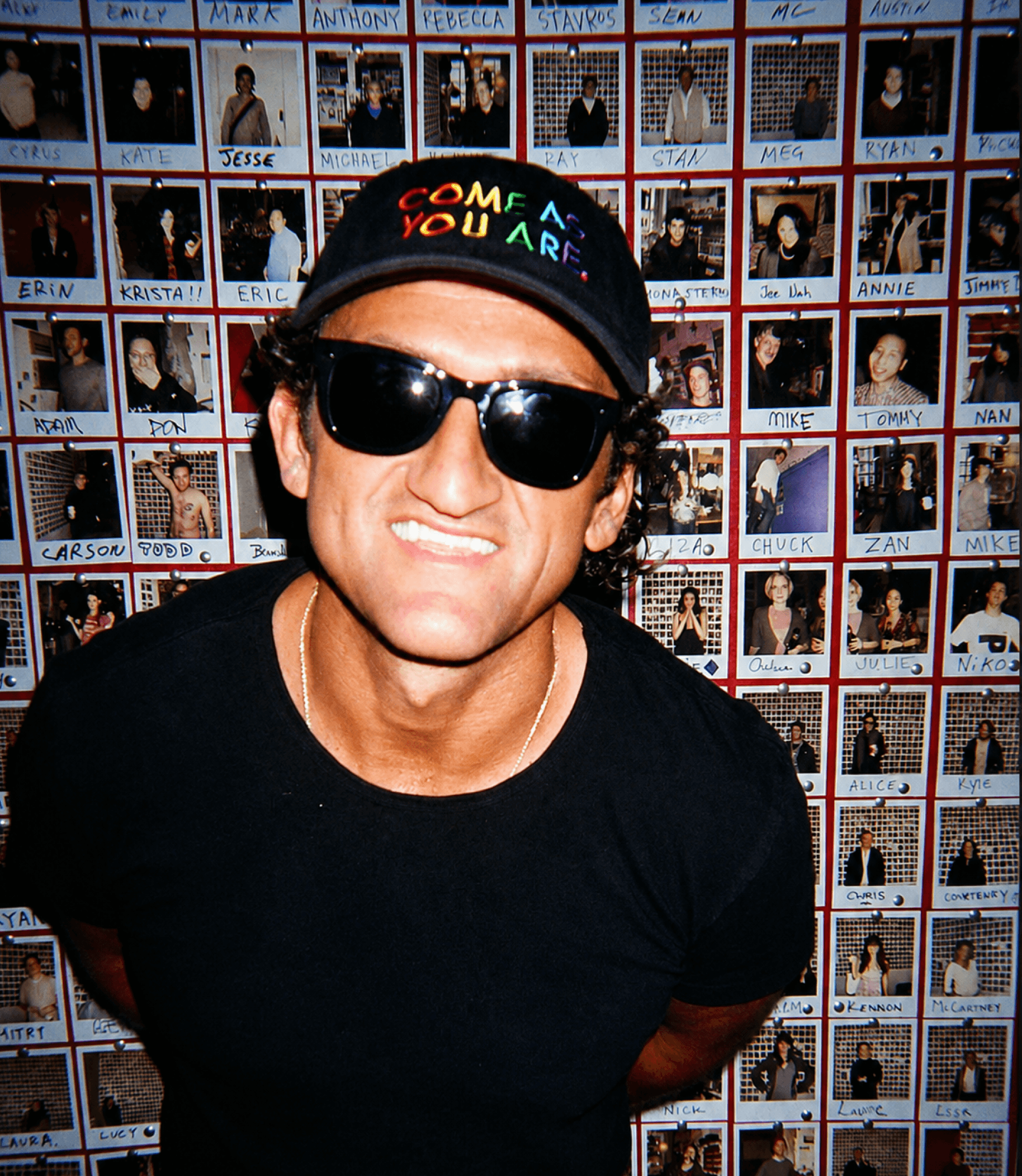
Viewers don’t desire production with a hefty budget that backs nothing up. They want something that they’ve never seen before.
Neistat’s videos weren’t successful because he posted every day. It was because each day was something novel, yet grounded in the defiant authenticity that couldn’t be fabricated.
It’s not the loud voices that reach millions.
It’s the meaningful ones.